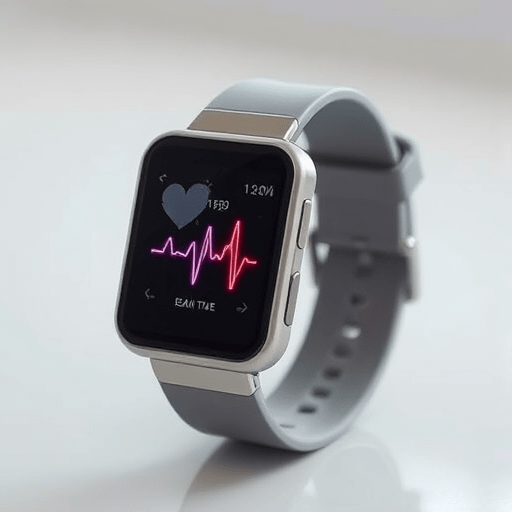
“Microclinics in Your Pocket” has become a literal vision for community health: portable diagnostics, wearables, and neighborhood telehealth stations are combining into hybrid care networks that enable complex, team-based care in rural and underserved communities. This article explains how these technologies work together, why they matter, and practical steps communities and health systems can take to make them real.
What Is a Microclinic in Your Pocket?
A microclinic in your pocket refers to a compact set of diagnostic tools and digital links that allow clinicians, community health workers, and patients to assess, monitor, and manage health conditions outside of traditional hospitals. It can include smartphone-based point-of-care tests, Bluetooth-enabled wearables, and apps that connect to remote clinicians and care teams.
Core components
- Portable diagnostics: rapid antigen/antibody tests, handheld ultrasound, glucometers and point-of-care blood analyzers that plug into mobile devices.
- Wearables and sensors: continuous heart rate, oxygen saturation, blood pressure, glucose monitors, and activity trackers that feed data into care platforms.
- Neighborhood telehealth stations: private booths or kiosks in community centers, pharmacies, or libraries with secure video links to clinicians and space for basic exams.
- Care orchestration platforms: cloud-based software that aggregates device data, alerts care teams, and schedules virtual or in-person follow-up.
Why Hybrid Care Networks Work for Rural and Underserved Areas
Rural and underserved communities face long travel distances, clinician shortages, and limited specialty access. Hybrid care networks—mixing local human resources with remote specialist teams and mobile technology—reduce those barriers by delivering high-quality, team-based care close to home.
- Access: Telehealth stations and mobile diagnostics reduce the need to travel for routine and urgent assessments.
- Continuity: Wearables provide continuous data that helps teams detect deterioration early and manage chronic conditions more effectively.
- Workforce leverage: Community health workers and nurses can perform diagnostics locally while specialists provide remote decision support.
- Cost-efficiency: Avoiding unnecessary transports and hospital admissions cuts costs while improving outcomes.
How Portable Diagnostics and Wearables Connect to Care Teams
Data is the glue that binds devices to people. Secure mobile apps collect readings from point-of-care devices and wearables, then send that information to care coordination platforms. These platforms triage and flag abnormal results, notify the appropriate team member, and create a documented care plan.
Typical workflow
- Patient visits a neighborhood telehealth station or connects via a mobile app and completes a guided testing session.
- Device data uploads to the care platform and is reviewed by a nurse or community health worker.
- If needed, a remote specialist is looped in via video consult; prescriptions, referrals, or ambulance activations are arranged as appropriate.
- Wearables continue to monitor and send follow-up data to the care team for proactive management.
Real-World Examples and Use Cases
Several practical scenarios show how microclinics function:
- Chronic disease management: A diabetic patient uses a pocket glucometer and continuous glucose monitor; the data flags hypo/hyperglycemia and triggers a remote dietician consult and medication adjustment.
- Cardiac follow-up: A rural clinic uses handheld ECGs and wearable rhythm monitors to detect arrhythmias; cardiologists review data remotely and schedule interventions only when needed.
- Maternal health: Expectant mothers access fetal heart monitoring at a neighborhood station and have virtual visits with obstetric teams, reducing missed prenatal care.
- Infectious disease screening: Portable antigen and CRP tests used at community hubs enable rapid isolation and coordinated telemedicine treatment plans.
Building a Successful Hybrid Care Network: Practical Steps
Communities, health systems, and funders can follow these practical steps to implement microclinics:
- Start small: Pilot a single neighborhood telehealth station and a defined set of devices (e.g., glucose meter, pulse oximeter, point-of-care hemoglobin).
- Train local staff: Invest in training community health workers and nurses to operate devices and facilitate teleconsultations.
- Choose interoperable tech: Select devices and platforms that follow data standards and can integrate with regional EHRs.
- Partner with specialists: Establish formal hub-and-spoke relationships so remote specialists are available for consults on a schedule or on-demand.
- Secure funding and reimbursement: Blend grants, value-based payment arrangements, and telehealth billing models to sustain services.
Challenges and How to Overcome Them
Adoption comes with hurdles—connectivity gaps, data privacy concerns, and clinician acceptance. Solutions include:
- Connectivity: Use offline-capable apps and store-and-forward workflows where broadband is limited; deploy cellular hotspots at stations.
- Privacy & security: Implement end-to-end encryption, role-based access, and local consent processes that explain data use in plain language.
- Workforce buy-in: Include clinicians early in design, demonstrate time-savings, and show outcome metrics from pilots.
Policy, Funding, and Equity Considerations
Scaling microclinics requires supportive policy—telehealth reimbursement parity, device approval pathways, and privacy protections tuned for distributed care. Funding models that reward outcomes (value-based care) and community-driven grant programs can accelerate equitable deployment. Importantly, designs must prioritize cultural competence and language access to serve diverse populations fairly.
What Success Looks Like
Successful deployments show measurable reductions in avoidable hospitalizations, improved chronic disease metrics (A1c, blood pressure control), higher patient satisfaction, and increased preventive care uptake. Equally important are qualitative wins: stronger patient-clinician relationships, empowered community health workers, and a resilient local health infrastructure.
Microclinics in your pocket aren’t a replacement for hospitals; they extend the reach of teams, bringing complex, coordinated care into neighborhoods where it’s needed most.
Conclusion: By combining portable diagnostics, wearables, and neighborhood telehealth stations into thoughtful hybrid care networks, rural and underserved communities can access team-based, complex care that is timely, efficient, and culturally appropriate. Small pilots, interoperable technology choices, and partnerships between local staff and remote specialists are the stepping stones to success.
Learn more about launching a microclinic pilot in your community—contact your local health system or public health department to start a conversation today.