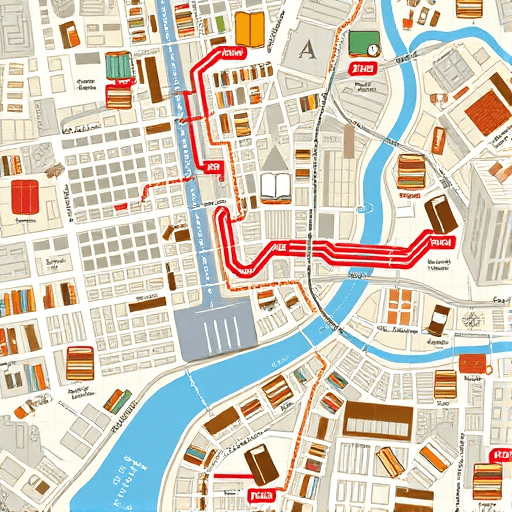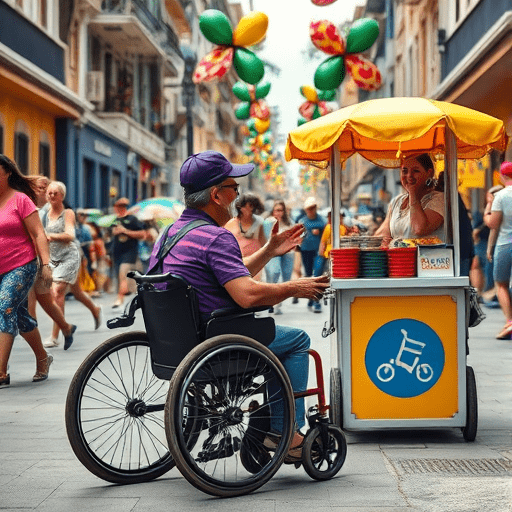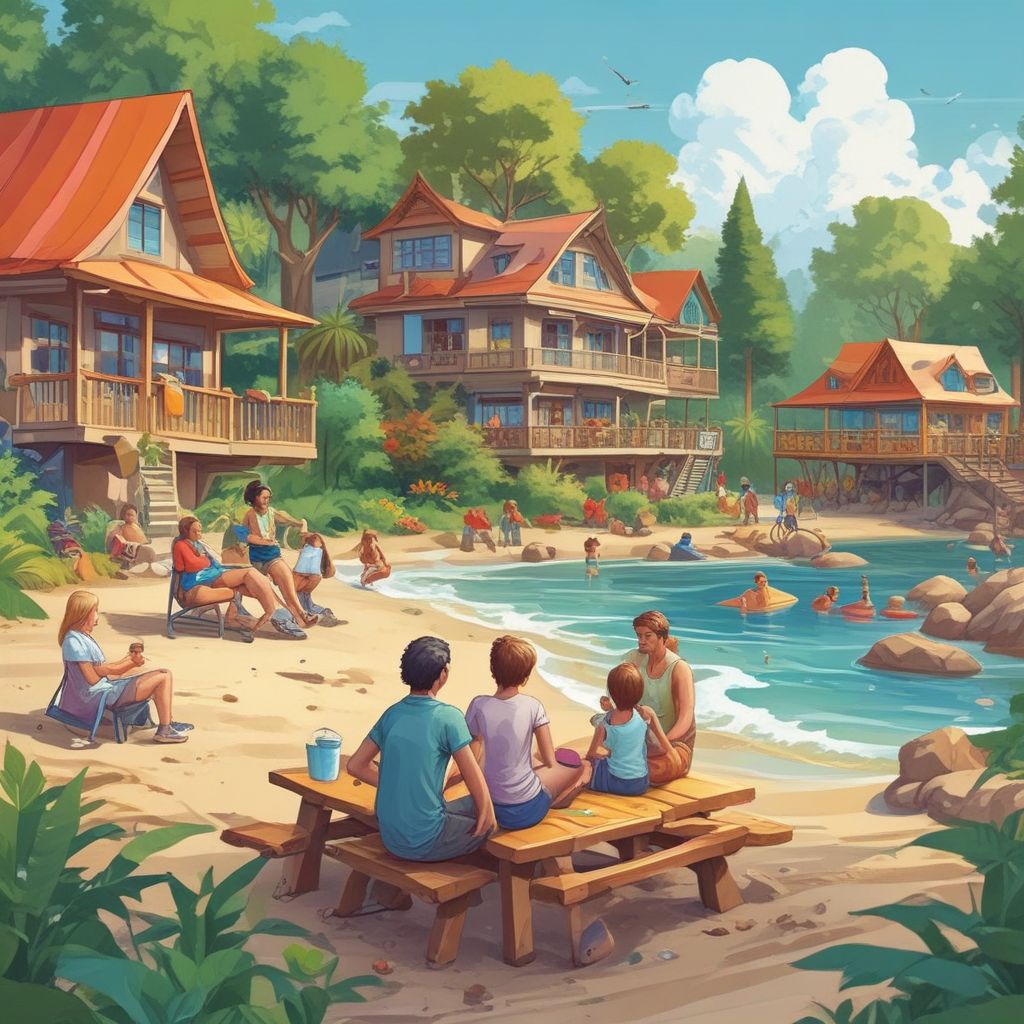
Micro-Volunteering Family Vacations are changing how families travel by combining short, meaningful service shifts with plenty of local playtime—the perfect mix for teaching kids real-world lessons while creating lasting bonds between parents and children. This style of travel turns a week away into an immersive learning experience where community impact and family fun share the same itinerary.
Why choose a micro-volunteering family vacation?
Traditional volunteer vacations often require long workdays and specialized skills, which can feel daunting with young children in tow. Micro-volunteering family vacations break that model into bite-sized shifts—often 2–4 hours—so everyone can contribute without burning out. These brief, focused efforts make it easier to include children, maintain energy for exploration, and still leave time for downtime and play.
- Accessible for all ages: Short shifts are kid-friendly and give children a tangible role in helping.
- Balanced schedule: Work in the morning, play in the afternoon—parents get meaningful engagement and relaxation.
- Real-world lessons: Kids learn empathy, responsibility, and cultural awareness through hands-on tasks.
- Community-first impact: Small, consistent efforts support local goals without overwhelming host organizations.
Planning a successful weeklong micro-volunteering trip
Good planning makes the difference between a stressful trip and a rewarding one. Start by choosing a reputable organization that offers family-friendly micro-volunteering options and clear schedules. Consider the ages and energy levels of your children, travel logistics, and how you’ll balance service with sightseeing and rest.
Steps to plan
- Research organizations: Look for local NGOs, community centers, or conservation groups with short, supervised shifts.
- Check safety and requirements: Confirm child participation policies, required vaccinations, and background-checked staff.
- Match tasks to ages: Opt for activities where kids can help—gardening, sorting school supplies, beach cleanups, or painting community murals.
- Build a flexible itinerary: Schedule one service shift per day and reserve afternoons for play and cultural experiences.
- Budget: Account for program fees, tips, transportation, and extra attractions for downtime.
Sample week: What a day looks like
Here’s an example of how a typical day can flow on a micro-volunteering family vacation:
- Morning (2–3 hours): Short community shift—planting native trees by the beach, assisting at a children’s library, or helping prepare meals at a community kitchen.
- Midday: Lunch with locals or a picnic; time for rest and snacks for kids.
- Afternoon: Playtime—explore a local park, learn a traditional game, or relax at the beach.
- Evening: Family reflection—share what each person learned, take photos (with permission), and enjoy local cuisine.
Activities that work well for families
Not all volunteer tasks are family-appropriate. Choose activities that are safe, engaging, and allow children to experience success:
- Nature stewardship: planting native species, removing invasive plants, or participating in short, supervised trail maintenance.
- Community beautification: painting murals, cleaning parks, or helping assemble playground equipment under professional supervision.
- Educational support: reading with younger children, organizing books and supplies, or assisting in craft-based learning sessions.
- Conservation awareness: guided beach or stream cleanups where kids learn about local wildlife and pollution.
How micro-volunteering teaches lasting lessons
Short service shifts deliver powerful teachable moments. Children witness the direct results of their efforts and learn that small, consistent actions make a difference. Parents model empathy, teamwork, and civic responsibility—lessons that stick far longer than souvenirs.
Learning outcomes for kids
- Empathy and civic responsibility: Children see community needs and feel motivated to help.
- Practical skills: Teamwork, following instructions, and basic project tasks like planting or sorting.
- Cultural awareness: Interacting respectfully with local people, learning a few words of the local language, and understanding customs.
- Environmental stewardship: Hands-on conservation tasks connect kids to nature and sustainability.
Tips for keeping it fun and meaningful
- Keep service age-appropriate: Give kids clear, achievable tasks and celebrate their contributions.
- Build downtime into the plan: Children need play and rest—don’t overbook service shifts.
- Photograph responsibly: Ask permission before taking photos of locals and explain privacy to kids.
- Reflect together: End each day with a short conversation about what everyone experienced and learned.
- Bring a “service kit”: Comfortable gloves, child-sized tools (if appropriate), sunscreen, reusable water bottles, and first-aid essentials.
Choosing ethical, community-focused programs
To ensure your family’s efforts are truly helpful, partner with organizations that prioritize local leadership, transparent reporting, and sustainability. Ask potential hosts these questions:
- How does the project benefit the local community long-term?
- Are tasks supervised by trained staff, and how are children involved safely?
- Is there a clear handoff plan so locals maintain the project after volunteers leave?
- Are fees used responsibly to fund materials, staff, or community needs?
Measuring impact and staying connected
Even short shifts create measurable outcomes—number of trees planted, books organized, or square feet of mural painted. Ask for project reports or photos from organizers after the trip and involve your kids in follow-up activities like researching how the project progressed. This continued engagement reinforces lessons and keeps the family connected to the community you helped.
Final thoughts
Micro-Volunteering Family Vacations are a practical, joyful way to travel with purpose. By blending short service shifts with local playtime, families create memories that matter, teach kids empathy and civic-mindedness, and leave a positive mark on host communities.
Ready to plan a week that combines service, play, and meaningful family time? Start by researching family-friendly micro-volunteering programs in your next destination and pick one small project your children can feel proud of.