Introduction
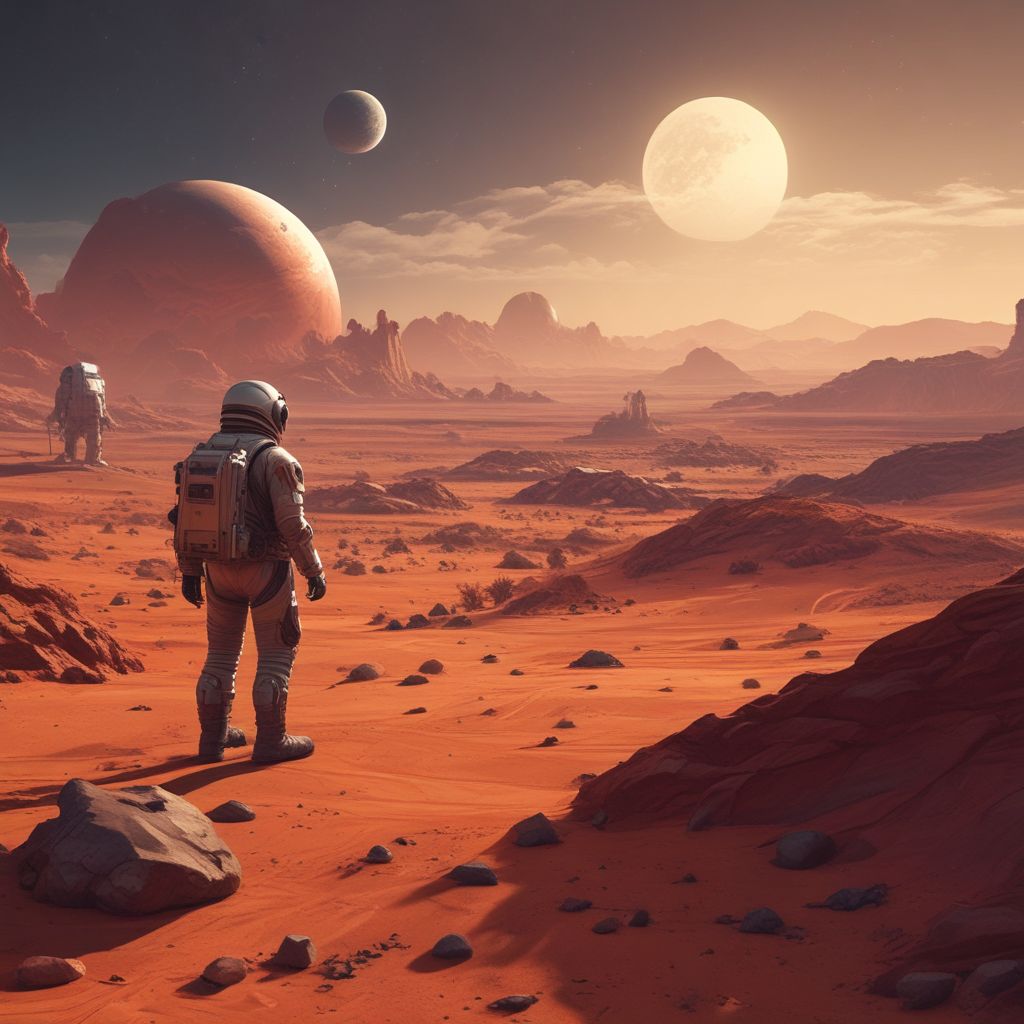
As humanity sets its sights on Mars, the challenges of building safe, sustainable colonies remain immense. Enter digital twins—virtual replicas that mimic physical systems in real time. These advanced models allow scientists and engineers to test habitat designs, resource management strategies, and emergency protocols before a single brick is laid on Martian soil. By simulating every variable, digital twins reduce risks and accelerate preparation for interplanetary living.
Building Virtual Mars Habitats
Digital twins create detailed, data-driven replicas of future Martian habitats. These models incorporate everything from structural integrity to life-support systems, enabling iterative testing in a risk-free environment.
Testing Layouts
Engineers use digital twins to experiment with habitat layouts under Martian conditions. They can:
- Adjust spacing between modules to optimize sunlight exposure
- Simulate radiation levels during solar storms
- Evaluate airflow patterns to prevent contamination
These tests ensure that living spaces are both functional and safe for future crews.
Material Simulations
Mars’s extreme temperatures and dust-laden atmosphere demand specialized materials. Digital twins allow researchers to:
- Test insulation layers against -60°C temperature swings
- Analyze wind resistance of exterior walls
- Predict degradation of materials over decades
This prevents costly mistakes in material selection during actual construction.
Resource Management in Real Time
Sustaining life on Mars requires meticulous management of water, air, and energy. Digital twins model these systems continuously, revealing inefficiencies before they become crises.
Water and Air Systems
Virtual simulations track the entire lifecycle of resources. For example, engineers can monitor:
- Water recycling efficiency in closed-loop systems
- Carbon dioxide removal rates in atmospheric processors
- Contamination risks during storage
Adjustments made in the digital environment prevent shortages in real missions.
Energy Solutions
Mars receives only 44% of Earth’s solar energy. Digital twins evaluate:
- Optimal placement of solar panels based on terrain
- Battery storage capacity during Martian nights
- Backup generator performance during dust storms
These models help design energy grids that never fail.
Emergency Protocol Training
When seconds count, digital twins provide invaluable training ground for crisis scenarios. Crews practice responses to hypothetical disasters without endangerment.
Simulating Dust Storms
Martian dust storms can last months and block sunlight. Digital twins replicate:
- Pressure changes on habitat seals
- Communication blackouts with Earth
- Backup power activation sequences
Training in these simulations builds rapid, coordinated reaction protocols.
Medical Emergencies
Isolated medical care on Mars requires precise preparation. Virtual models allow teams to:
- Practice isolating infectious contaminants
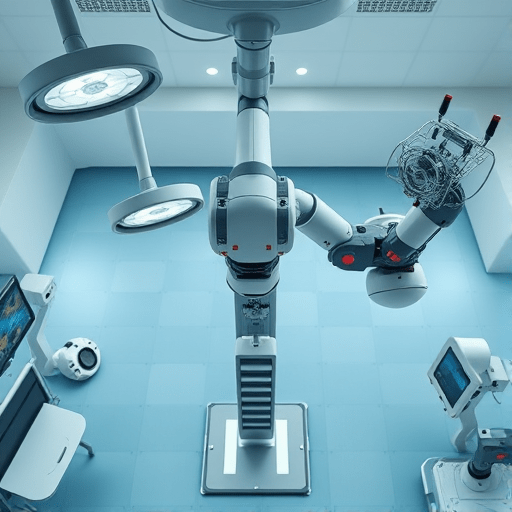
- Test robotic surgery procedures
- Manage supply shortages during extended emergencies
This ensures crews are ready for health crises light-years from Earth.
Benefits and Future Steps
Digital twins offer transformative advantages for Mars colonization:
- Reduce physical prototyping costs by up to 70%
- Identify system vulnerabilities years before deployment
- Enable real-time adjustments as Martian conditions change
As technology advances, these virtual environments will integrate live sensor data from rovers and orbiters, creating even more accurate Mars replicas. The red planet’s first human settlers will inherit a world already tested, tweaked, and perfected—in the digital realm.