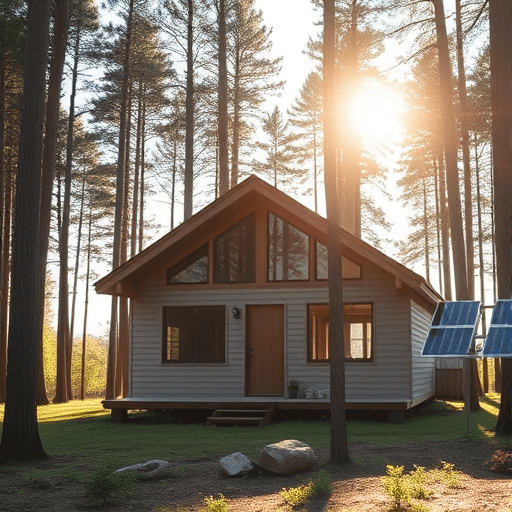
As digital nomads, we thrive on flexibility, but that freedom can clash with the planet’s limits. In this low‑impact accommodation guide for eco‑friendly nomads, we explore step‑by‑step strategies to book environmentally responsible lodgings, verify sustainability certifications, and keep your travel footprint minimal—all while staying productive.
Understanding Low‑Impact Accommodation
Low‑impact lodging goes beyond the surface of “green” labels. It’s about minimizing energy use, reducing waste, respecting local culture, and giving back to the community. Think of it as a holistic approach that blends environmental stewardship with social responsibility.
Key characteristics include:
- Energy‑efficient appliances and lighting
- Renewable power sources (solar, wind, hydro)
- Water‑saving fixtures and greywater recycling
- Eco‑friendly building materials and low‑VOC paints
- Transparent waste‑management systems and recycling programs
- Community outreach or local employment initiatives
Finding Certified Green Stays
While many accommodations tout “sustainability,” not all certifications carry weight. Focus on reputable, third‑party standards that audit both environmental and social criteria. Here are the most respected certifications you’ll encounter in 2026:
- LEED (Leadership in Energy and Environmental Design) – U.S. Green Building Council rating for buildings.
- ISO 14001 – Environmental Management System standard.
- Green Key – European eco‑label covering energy, water, waste, and biodiversity.
- Fair Trade Tourism – Emphasizes fair wages, local community development, and environmental protection.
- Blue Flag – Coastal eco‑tourism certification covering beach management, pollution control, and marine conservation.
- EarthCheck – Global audit for sustainable operations in hospitality.
When browsing a listing, look for the certification logos or a clear explanation of the criteria met. If it’s missing, reach out to the host or property manager for details.
Booking Smart: From Platforms to Direct Contact
Many booking platforms have introduced sustainability filters, but the most reliable data often comes directly from the property. Follow these steps for a low‑impact reservation:
- Use dedicated eco‑booking sites: Platforms like EcoBnB and GreenStay curate verified green properties worldwide.
- Check the sustainability filter on mainstream sites: Airbnb, Booking.com, and Vrbo now offer a “green” filter that shows listings with verified certifications.
- Read the sustainability section in the property description: Hosts should detail energy use, waste practices, and local community engagement.
- Contact the host directly before booking: Ask about energy sources, recycling protocols, and any recent sustainability audits.
- Verify the certification by checking the issuing body’s database: For example, visit the Green Key portal and search by property name.
- Consider the location’s carbon intensity: Opt for stays in regions with lower grid emissions or renewable energy penetration.
- Reserve early to secure the best rates for off‑peak, low‑impact options.
Verifying Sustainability Claims
Honest marketing is rare, so a rigorous verification process protects your values. Use these tools to confirm a property’s green credentials:
- Certification databases: Search the official portals for LEED, ISO, Green Key, etc.
- Third‑party reviews: Sites like TripAdvisor often contain comments about sustainability practices.
- Local environmental agencies: Some municipalities publish lists of green businesses.
- On‑site audits: If you’re staying in a remote area, request a brief audit from the property to showcase energy meters or waste logs.
- Ask for recent audits or certificates: A current ISO certificate demonstrates ongoing compliance.
Optimizing Your Remote Work Setup
Even the best eco‑accommodation can become a carbon sink if your work habits aren’t optimized. Apply these low‑impact practices to your daily routine:
- Use power‑efficient devices: Invest in laptops with ENERGY STAR ratings and switch off Wi‑Fi when not needed.
- Leverage daylight: Position your workspace near windows to reduce artificial lighting.
- Adopt a “no‑print” policy: Embrace digital collaboration tools like Google Workspace or Microsoft Teams.
- Schedule breaks strategically: Short, frequent breaks reduce overall screen time and improve well‑being.
- Use public transport or bikes for commuting: Even if you’re staying in a remote cabin, plan eco‑friendly travel to nearby coffee shops or coworking spaces.
- Power down devices overnight: If the property has a smart plug system, set schedules to limit standby power.
Daily Habits to Reduce Your Footprint
Beyond the workspace, everyday choices amplify your sustainability. Consider these actions during your stay:
- Recycle diligently: Separate waste according to local guidelines; bring a reusable bag to reduce plastic use.
- Minimize water consumption: Use the shower for 5 minutes or less; opt for a handheld shower head with a flow restrictor.
- Choose local, organic food: Order from nearby markets; avoid packaged single‑use containers.
- Support community projects: Participate in beach clean‑ups or tree‑planting events offered by your host.
- Travel light: Pack minimal items to reduce luggage weight and the carbon cost of shipping.
- Digital etiquette: Delete unnecessary email attachments and archive old files to reduce data center load.
- Conserve energy during cooking: Use a pressure cooker or induction cooktop if available.
Community and Sharing Economy
Low‑impact stays thrive when the community is involved. Engaging with locals and the sharing economy can enhance your experience while amplifying sustainability:
- Share resources: Swap tools, books, or cooking equipment with other travelers.
- Use local transport cooperatives: Many regions offer bike‑sharing or low‑emission shuttle services.
- Participate in peer‑review systems: Leave honest reviews about sustainability practices to help future nomads.
- Volunteer for local NGOs: Align your work hours with community service to offset travel emissions.
- Join eco‑nomad forums: Exchange tips on low‑impact lodging and work setups with like‑minded travelers.
Future Trends in Eco‑Friendly Lodging (2026 and Beyond)
As technology and consumer awareness evolve, several innovations are reshaping low‑impact accommodation:
- Smart energy grids: Properties increasingly integrate IoT sensors that optimize heating, cooling, and lighting based on occupancy.
- Carbon‑negative construction: New materials, such as bio‑based composites and phase‑change insulators, are reducing embodied carbon.
- Virtual reality tours: Travelers can experience a stay virtually, reducing the need for exploratory trips.
- Dynamic pricing linked to sustainability: Some platforms reward guests with lower rates for minimizing energy or water usage during their stay.
- Micro‑hotels and pod accommodations: Compact, high‑efficiency units that offer privacy while cutting resource consumption.
Conclusion
Choosing low‑impact accommodation is no longer a niche preference—it’s a practical, responsible decision that aligns with the future of sustainable travel. By understanding certification standards, booking wisely, verifying claims, and incorporating eco‑friendly habits into your remote work routine, you can reduce your footprint while enjoying the freedom that nomadism offers. In 2026, the tools and communities supporting eco‑friendly nomads are richer than ever, making it easier than ever to stay productive, connected, and planet‑positive.