The rising curiosity in sound museums has opened a new way to travel: one attuned to memory, language and the textures of voice. Visiting sound museums—places dedicated to preserving, curating, and presenting audio recordings—offers an intimate, immersive route into histories that written text alone cannot convey. Whether you’re drawn to oral histories, field recordings, or experimental sound art, these institutions invite sustained listening and thoughtful reflection.
What is a sound museum?
Sound museums are cultural spaces, archives, and exhibition sites centered on recorded audio. They preserve speech, music, environmental field recordings, oral histories, and broadcast material, and present them in listening rooms, curated exhibits, and digital collections. Unlike traditional museums that prioritize visual artifacts, sound museums place listening and acoustics at the core of the visitor experience.
How listening rooms and audio archives work
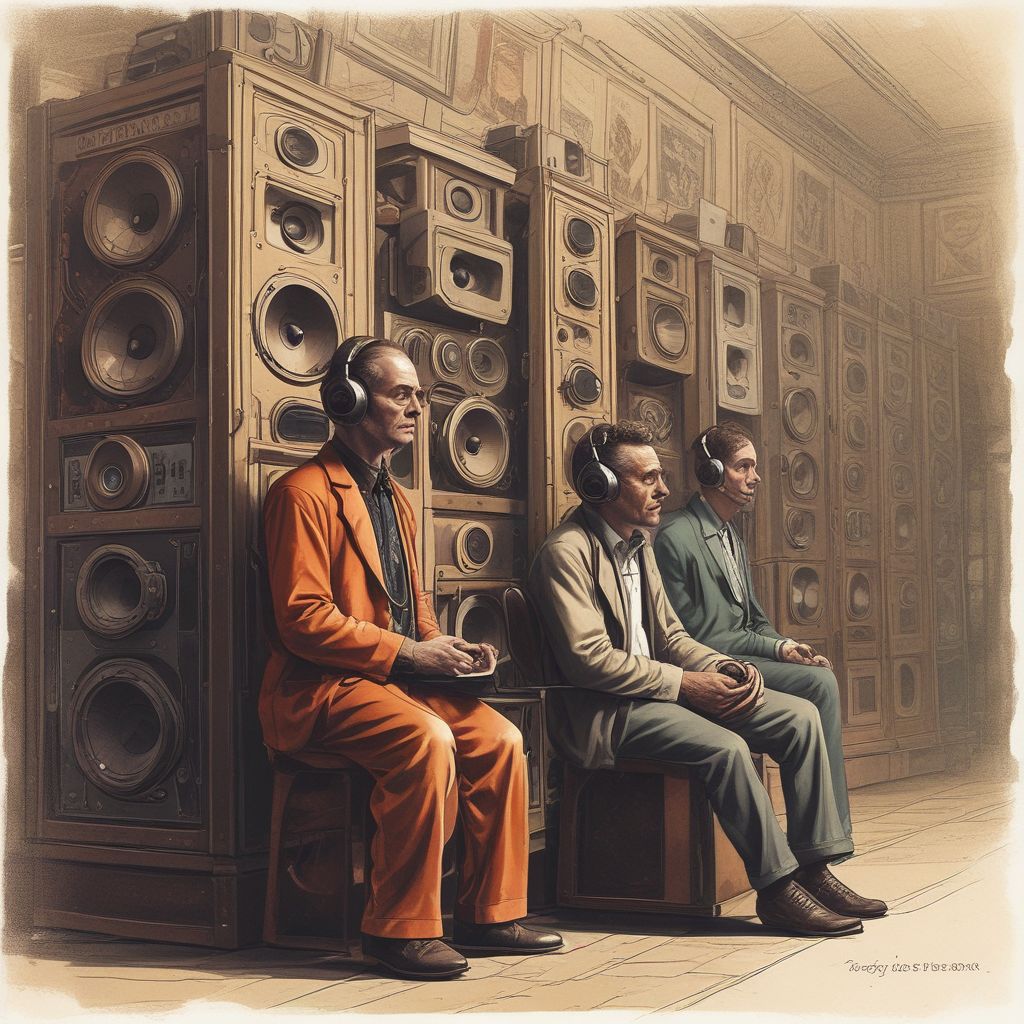
At the heart of most sound museums are listening rooms—quiet, acoustically tuned spaces where visitors can focus on single recordings or layered soundscapes. These rooms can range from intimate booths with headphones and transaction terminals to large, immersive chambers with multi-channel speakers.
Key features to expect
- Individual listening stations: Headphone booths or consoles that let visitors cue specific items from an archive.
- Curated playlists: Thematic sequences that guide listeners through narratives—migration, labor, ritual, or urban soundscapes.
- Immersive installations: Multi-channel works that re-create sonic environments or reinterpret archival material as art.
- Metadata and context: Digital interfaces and wall texts that explain who recorded the sound, where and why—crucial for ethical listening.
Notable institutions and collections to plan your visit
Certain archives and centers have become beacons for sound-led cultural tourism. Below are representative places—each offers a different doorway into listening experiences and archival practice.
British Library Sound Archive (London)
A world-class collection that includes folk music, oral histories, and radio broadcasts, the British Library provides listening stations and regular exhibitions that highlight how sound captures social history. Many of their items are accessible on-site, often accompanied by expert talks and curated programs.
Library of Congress & American Folklife Center (Washington, D.C.)
Home to vast oral history and folk-music collections, this archive supports public listening and research. The center’s materials illuminate regional cultures across the United States and beyond; special exhibitions often foreground the voices of communities otherwise absent from mainstream narratives.
Netherlands Institute for Sound and Vision (Hilversum)
Combining audiovisual preservation with interactive exhibits, this institution merges broadcast history with playful listening experiences—ideal for those interested in the relationship between media, memory, and technology.
Phonogram Archives and university sound collections
Academic phonogram archives (such as university ethnomusicology collections) often contain rare field recordings—language documentation, ritual music, and endangered songs—that provide unique listening opportunities for researchers and public visitors alike.
How to get the most from a sound-museum visit
Listening purposefully is a skill—one that deepens with practice. Use the following tips to transform passive hearing into meaningful engagement:
- Arrive early and unplug: Give yourself time to acclimate to the quiet. Turn off notifications and commit to focused listening.
- Read the context: Metadata, liner notes, and curator texts change what you hear; spend a few minutes with them before pressing play.
- Take notes: Jot down impressions—phrases, textures, or questions—so your memory of ephemeral sounds endures.
- Compare different recordings: Listening to multiple takes of a song or interview reveals performance, dialect, and editing choices.
- Respect handling rules: Many archives restrict playback to protect fragile media; follow staff guidance and use provided equipment.
Ethics, preservation, and community responsibilities
Sound museums often steward recordings made under complex circumstances—colonial fieldwork, commercial exploitation, or urgent language documentation. Ethical listening means recognizing those histories: crediting speakers, learning whether material was recorded with consent, and supporting community-led initiatives that repatriate or share recordings with their originators.
Ask staff about access policies and how the museum collaborates with source communities. Some institutions offer community listening sessions, co-curation projects, or digital repatriation programs—participation supports more equitable stewardship of cultural heritage.
Practical travel tips for sound-focused itineraries
- Book listening appointments: Some archives require advance reservations for listening sessions—check websites before traveling.
- Pack quiet essentials: Comfortable headphones (for travel), a notebook, and a lightweight scarf or sweater—listening rooms can be chilly.
- Plan for reflection time: Block an hour after a visit to sit in a café and process what you heard—listening often surfaces strong emotions.
- Explore nearby soundscapes: Pair museum visits with field listening—markets, riverbanks, or train stations—to compare archival sound with living environments.
Creating your own listening itinerary
A simple one-day listening itinerary could include a morning archive visit to cue curated oral histories, an afternoon at a museum with an installation or film, and an evening attending a public listening session or soundwalk hosted by a local collective. This blend balances focused archival listening with experiential, place-based sound exploration.
If travel isn’t possible, many sound museums now offer extensive online listening rooms and curated virtual exhibits—perfect for remote discovery and slow listening at home.
Visiting sound museums is an invitation to slow down and attend carefully to human voices, environmental textures, and musical practices that might otherwise be lost. These spaces reveal how sound shapes memory, identity, and belonging—and how listening changes us.
Conclusion: Sound museums offer rare, intimate encounters with history delivered through voice, music, and ambient noise; approaching them with curiosity and care will reward any traveler with deeper empathy and insight.
Ready to tune in? Book a listening-room appointment or explore an online archive today.