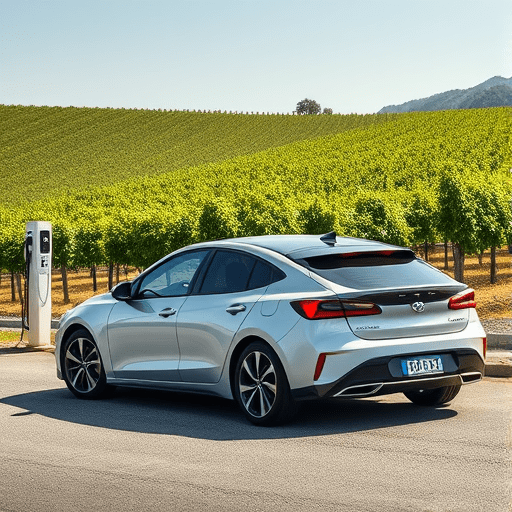
Embarking on a hybrid car road trip through Europe’s wine regions offers the best of both worlds: the thrill of exploring vineyards across France, Italy, Spain, and Germany while keeping emissions low and costs down. Whether you’re heading to the sun‑kissed slopes of Tuscany, the rolling vineyards of Bordeaux, or the serene Riesling farms of the Rhine, careful planning around battery range, charging points, and budget tastings will make your journey smooth, sustainable, and surprisingly economical.
Planning Your Route: From Bordeaux to Tuscany and Beyond
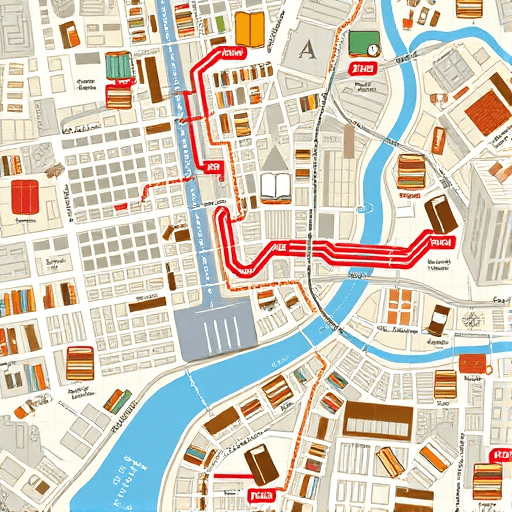
The first step is to map a route that stitches together key wine regions without forcing you to travel on steep, battery‑draining highways. A classic loop starts in Bordeaux, moves east to the Loire Valley, then heads southeast to the Rhône, crosses into Italy for Tuscany, and finally swings back through the Alsace region before returning home. By using a dedicated electric‑vehicle route planner or a simple Google Map with “fuel stops” enabled, you can identify high‑capacity charging stations along the way and avoid long stretches without power.
Consider the time of year; summer months mean higher temperatures that can reduce battery performance, so schedule longer charging stops on cooler mornings or evenings. Also, plan to travel on primary roads that offer the fastest charging infrastructure and minimal speed restrictions. A sample 12‑day itinerary that balances driving, tastings, and charging can be found in the “Sample Itinerary” section below.
Battery Management on a Long Haul
Know Your Vehicle’s Range
Before you hit the road, verify your hybrid’s real‑world electric range under typical driving conditions. Manufacturers’ figures can be optimistic; a 60 kWh battery might deliver only 80 km in a full city‑to‑city round trip at moderate speeds. Take a test drive to assess how temperature, terrain, and load affect range, and then add a 10–15 % safety margin to each leg of your journey.
Smart Charging Strategies
- Level 2 (AC) vs. DC Fast: AC chargers are plentiful along highways but slower; plan a full charge overnight at a hotel with a Level 2 charger or at a public station with a 7 kW unit. For quick top‑ups, locate a 150 kW DC fast charger near major city exits.
- Schedule Charging: Use your car’s app to schedule charging when electricity rates are lower (many European grids offer time‑of‑use pricing). This can save you 10–20 % on your energy bill.
- Optimize Speed: Driving at 90 km/h reduces range loss compared to 110 km/h. Most highway speed limits in wine regions align with this sweet spot.
- Pre‑Conditioning: If you’re in a hot climate, pre‑condition the battery before departure to preserve capacity.
Optimizing Speed and Terrain
Many wine routes wind through hills and vineyards, which can significantly drain battery power. Plan to use the hybrid’s electric mode on climbs and regenerative braking on descents. Pair this with gentle acceleration and gentle braking habits to maximize efficiency. When you reach a vineyard or a town, switch to the gasoline engine for a short period to avoid “topping up” the battery repeatedly, which is less efficient.
Finding the Right Charging Points Along Wine Routes
Use Dedicated Apps and Websites
Apps such as PlugShare, ChargeMap, and Ionity list Level 2 and DC fast chargers across Europe. Filter by charger type, power rating, and user reviews to identify reliable stations. Many national EV networks also provide real‑time availability and reservation options, reducing wait times at busy stops.
Partnering with Wine Tour Operators
Several boutique tour companies in Bordeaux and Tuscany now offer hybrid‑friendly itineraries that include free or discounted charging at selected wineries. These operators often partner with local vineyards to set up temporary charging points during your visit, so you can taste while your battery charges. Contact the operators in advance and confirm that they can accommodate your vehicle’s charging cable size.
Hidden Gems and Quick Stops
- Rest Areas: Look for highway rest stops that feature both 7 kW Level 2 chargers and coffee shops. These are perfect for a quick coffee and a short recharge.
- Town Centers: Many European towns now offer municipal charging stations in parking lots. Parking for a few hours can often recharge the battery enough for the next segment.
- Hospitality Chains: Hotel chains such as Best Western and NH Hotels provide Level 2 chargers in their parking lots, and you can enjoy a complimentary breakfast while your car charges.
Budget‑Friendly Wine Tastings on the Road
Local Wine Shops vs. Estate Tours
While estate tours can be pricey, local wine shops or cooperative vineyards frequently offer free or low‑cost tastings. For example, in the Loire Valley, the Celliers du Val de Loire chain offers a 10‑minute tasting for €5 per person, while the neighboring Bouteilles de la Vigne cooperatives host open tasting afternoons on Tuesdays.
Seasonal Discounts and Tasting Hours
Many wineries waive tasting fees during shoulder seasons (late autumn, early spring) to attract visitors. Additionally, “happy hour” tastings between 2 pm and 4 pm often feature a 50 % discount. Keep a lookout for QR codes on the winery’s website or social media that announce these promotions.
Wine Festivals and Pop‑Up Tastings
Europe’s wine festivals—such as the Vinexpo in Bordeaux or the Weinmesse in the Rhine Valley—feature free entry and complimentary tastings for festival-goers. Even if you’re not attending the full event, many vendors set up pop‑up tasting stations in nearby streets, offering a unique opportunity to sample local varieties without the usual price tag.
Packing Essentials for the Hybrid Road Trip
Charging Cables and Adapters
- Standard Type 2 cable for Level 2 charging.
- CCS or CHAdeMO adapter for fast charging.
- Portable power bank for in‑car electronics.
Tasting Essentials
- Wine glasses (stainless steel or plastic for safety).
- Notebook for tasting notes.
- Snack packs for in‑village breaks.
Comfort & Entertainment
- Noise‑cancelling headphones.
- Offline map downloads.
- Playlist of regional folk music for ambiance.
Sample Itinerary: Day‑by‑Day Guide
Day 1–3: Bordeaux & the Médoc
- Morning: Drive from your starting point to Bordeaux (approx. 200 km). Charge overnight at a Level 2 station at your hotel.
- Afternoon: Visit Château Margaux (free tasting for first 15 minutes). Use the 30‑minute free charging window in the parking lot.
- Evening: Explore the city’s market and enjoy a light dinner.
Day 4–5: Loire Valley
- Morning: 250 km drive to Sancerre. Stop at a rest area with a 7 kW charger.
- Afternoon: Visit a local cooperative vineyard for a €5 tasting and a 20‑minute charge.
- Night: Stay in a guesthouse with a free Level 2 charger.
Day 6–8: Tuscany
- Morning: 350 km drive to Montepulciano. Charge at the city’s municipal station.
- Afternoon: Participate in a “cheese & wine” afternoon (free for local residents, €10 for visitors).
- Evening: Overnight in a small hotel that offers a Level 2 charger.
Day 9–10: Alsace & Return
- Morning: 400 km drive to Strasbourg. Quick charge at a highway rest stop.
- Afternoon: Taste Riesling at a cooperative farm with a 10‑minute free charge.
- Evening: Return to home base.
Safety, Sustainability, and Social Etiquette
Driving Etiquette in Wine Regions
European rural roads can be narrow and winding; always keep to the left and yield to larger vehicles. Avoid sudden braking, as it not only wastes battery power but also risks accidents. When in vineyards, observe the “no‑trespassing” signs and stay on designated paths.
Respecting Vineyards
Before entering a private vineyard, knock on the gate and request permission. Many owners welcome visitors but appreciate respectful behavior—no running, no littering, and no climbing on trellises. If you’re attending a tasting, ask for the wine’s origin and story; this fosters a deeper connection to the region.
Reducing Carbon Footprint
Besides using a hybrid, consider offsetting the small emissions that remain. Several European carbon offset programs offer wine‑themed projects—such as reforestation in the Moselle valley—that you can support from your hotel’s front desk.
With thoughtful planning, a little battery management know‑how, and a curiosity for local culture, a hybrid car road trip through Europe’s wine regions can be a truly enriching experience. You’ll savor world‑class wines, meet passionate vintners, and travel sustainably—an elegant blend of pleasure and responsibility that’s perfect for the modern traveler.