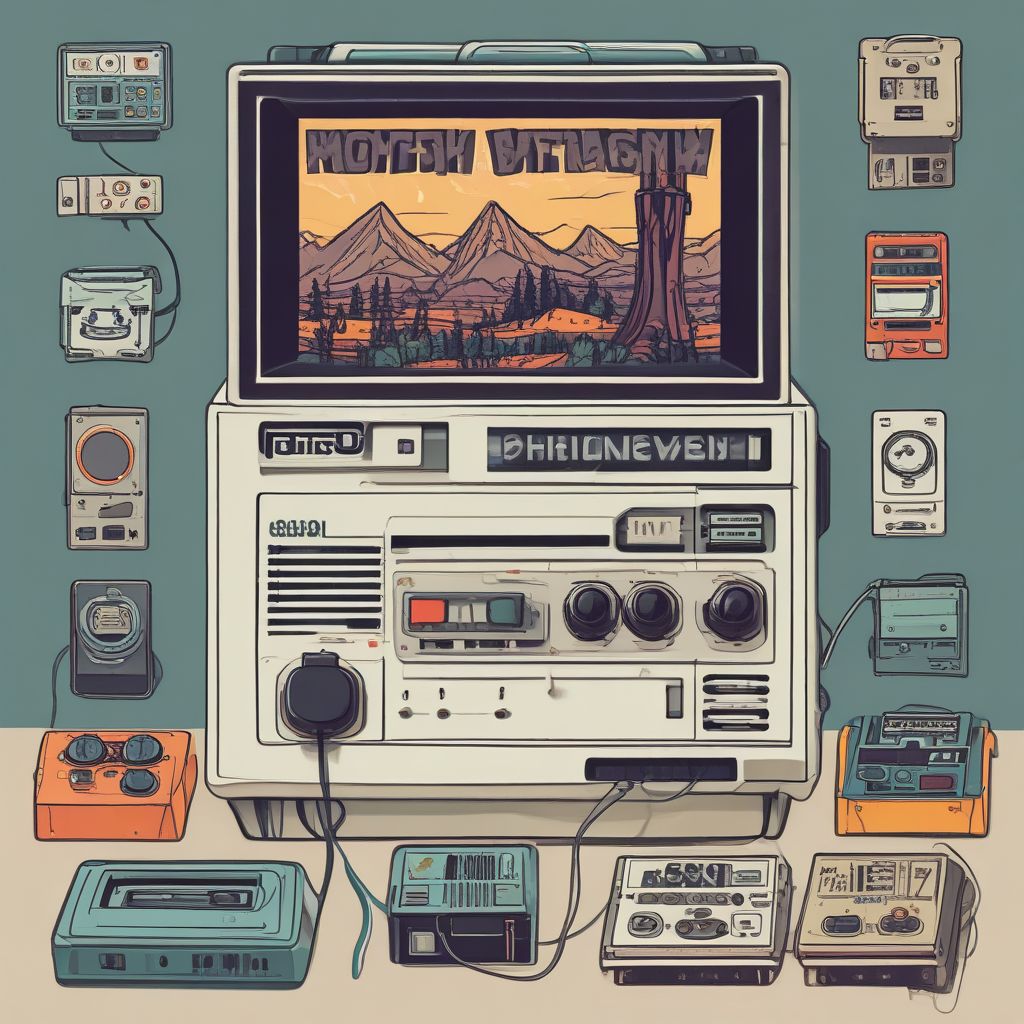
The era of blinking power LEDs and cartridge-click startups never really ended — it evolved. Homebrew cartridges and DIY mods have become the lifeblood of retro consoles, enabling grassroots creators to extend hardware lifespans, invent wild new gameplay, and seed the modern indie scene with ideas and talent. This article explores the people, the hacks, and the lasting cultural impact of the communities who refused to let old consoles gather dust.
The grassroots movement behind the chips
Long before digital distribution, small teams in garages, basements, and bedroom studios were soldering boards and writing code to run on hardware long declared obsolete. These creators came from backgrounds as varied as electronics hobbyists, demoscene coders, and frustrated players who saw limitations as invitations. Their tools were modest: flash memory, EEPROM programmers, soldering irons, and a working knowledge of the console’s cartridge interface or controller bus.
Who built it?
- Hardware tinkerers who reverse-engineered mappers, memory controllers, and video chips.
- Programmers who learned 6502, Z80, or other console CPUs through trial and error.
- Artists and designers producing physical box art, labels, and shrinkwrap for low-run cartridges.
- Online communities that shared ROMs, schematics, and step-by-step modding guides.
Extending lifespans: practical mods that kept consoles playable
Homebrew hardware solutions solved two practical problems: running new software on old ROM slots and repairing or augmenting failing components. Flash-based cartridges (often called flashcarts) allowed users to load multiple ROMs from an SD card — turning a decades-old system into a development platform. HDD and SD adapters, cartridge-to-USB programmers, and replacement memory modules revived machines whose original components were long out of production.
- Flash carts and multicarts: Enabled developers to test and distribute homebrew without mass-producing ROMs.
- Replacement and enhancement mods: RGB video mods, capacitor replacements, and region-unlocking hacks improved visual fidelity and longevity.
- Custom mappers and adapters: Recreated or extended memory-mapping hardware to support novel features and larger games.
Inventing new gameplay on old silicon
When hardware constraints are tight, creativity expands. Homebrew creators often pushed consoles to do things their designers never imagined: expanded color palettes, larger maps, novel save systems, and experimental control schemes. Without publisher oversight, projects could be playful, weird, and technically audacious.
Examples of creative outcomes
- New genres adapted to classic controllers — rhythm or twin-stick shooters reinterpreted for D-pads and shoulder buttons.
- Hybrid projects that used cartridge hardware to augment peripherals (turning controllers into sensor arrays, or combining cartridge logic with external sensors).
- Physical releases mimicking authentic rare cartridges with hand-printed labels and protective shells, preserving the tactile ritual of retro gaming.
From hobbyists to the modern indie ecosystem
Many contemporary indie developers cut their teeth on homebrew projects. The low barrier to entry and immediate hardware feedback taught optimization, creative design under constraints, and the pleasures of physical distribution. Small-scale cartridge runs and demo releases also created a market for boutique publishers and hardware microbusinesses that produce limited editions, spurring a revival of physical releases even in the digital age.
That bridge between hobby and profession matters: skills learned modding a console — reverse engineering, low-level programming, pixel art, and sound design — translate directly into modern game development and hardware entrepreneurship. The indie scene today often borrows not just aesthetics from retro games but also the DIY ethos of those early creators.
How to get involved today
Want to tinker? The modern homebrew scene is more accessible than ever. Here are approachable entry points and resources.
- Start with emulators and dev tools: Use modern assemblers, cross-compilers, and emulator debugging to prototype ideas before testing on real hardware.
- Use a flashcart: Load and test code on actual consoles quickly; many flashcarts support USB updates and SD cards for ease of use.
- Learn basic electronics: Practice soldering, reading circuit diagrams, and safe disassembly so mods are reversible and non-destructive.
- Join communities: Forums, Discord servers, and retro-hacking subreddits are full of schematics, tutorials, and mentorship.
- Try a small physical release: Make one-off cartridges, print labels, and sell directly to fellow enthusiasts to learn the business side in a low-risk environment.
Safety, legality, and ethics
Always respect intellectual property: creating original homebrew games is safe, but distributing copyrighted ROMs without permission is illegal. When modding hardware, prioritize safety: disconnect power, use proper ESD precautions, and document changes so future owners can understand modifications.
Why homebrew and mods still matter
Beyond nostalgia, the movement is a form of digital preservation and cultural memory. DIY efforts keep broken consoles playable, enable new voices to experiment with historical constraints, and remind us that hardware becomes meaningful through continued use and creativity. Moreover, the movement teaches sustainable thinking: repairing, repurposing, and celebrating what already exists rather than discarding it.
Case studies and legacy
Across decades, small projects have had outsized influence. Flash-based solutions turned consoles into development kits; passionate communities patched hardware gaps that manufacturers left open; and limited physical runs showed there’s demand for tactile, collectible games. Those experiments shaped a market that now includes boutique releases, FPGA recreations, and renewed interest in physical media.
For historians and hobbyists alike, these stories demonstrate a simple truth: technology ages, but passion does not. Where companies moved on, communities kept consoles alive by rewiring both silicon and culture.
Conclusion: Homebrew cartridges and DIY mods transformed retro consoles from museum pieces into living platforms, fueling innovation, community, and the indie game economy.
Ready to explore the hardware you love? Grab a soldering iron, join a community, and revive something beautiful today.