Home Hospital 2.0 is changing where—and how—acute care is delivered by combining continuous wearables, tele-physician oversight, and rapid-response mobile nursing so patients can receive short-stay care at home with fewer readmissions and lower costs. This hybrid model blends technology, clinical workflows, and logistics to replace portions of inpatient stays with safe, patient-centered care in the familiar environment of home.
What is Home Hospital 2.0?
Home Hospital 2.0 builds on traditional home health and early hospital-at-home pilots by integrating three core capabilities: continuous remote monitoring (often via wearables), real-time telemedicine with physician oversight, and an on-demand mobile clinician fleet that provides hands-on assessments, treatments, and escalation when needed. Unlike earlier episodic models, Home Hospital 2.0 emphasizes near-continuous physiologic visibility and rapid in-person response to create a true short-stay alternative to the medical ward.
Key Components
Continuous Wearables and Remote Monitoring
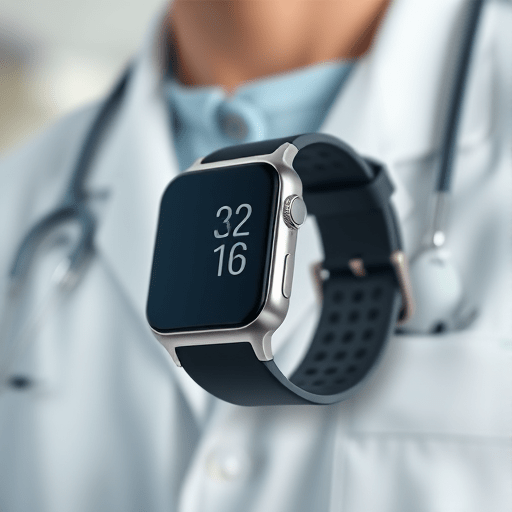
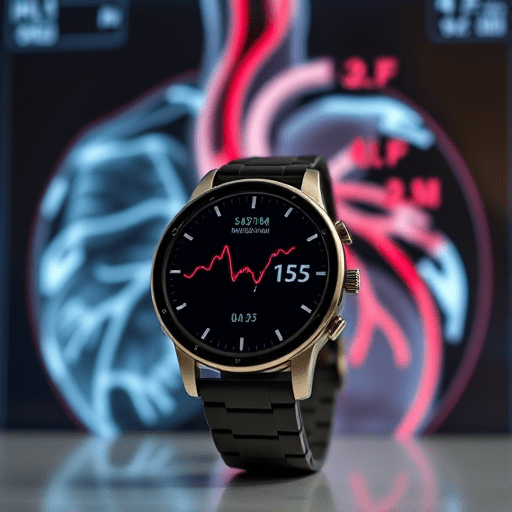
Wearables and bedside IoT devices collect vital signs, activity, and device telemetry around the clock, feeding data into clinical dashboards and automated triage engines. Common sensors include continuous pulse oximeters, single-lead ECG patches, wireless blood pressure cuffs, and fall-detection units. These devices enable earlier detection of deterioration while minimizing unnecessary in-person checks.
Tele-Physician Oversight
Tele-physicians and virtual care teams provide continuous clinical oversight through secure video, messaging, and data review. They interpret trends, adjust treatment plans, and coordinate escalation—reducing the need for routine transport back to hospital emergency departments while preserving clinical safety.
Rapid-Response Mobile Clinicians
On-demand mobile nurses, paramedics, and advanced practice providers complete the care loop with bedside assessments, wound care, medication administration, and point-of-care testing. These clinicians also perform controlled escalations—transporting patients to hospital when necessary or initiating advanced interventions at home.
Why Hybrid Models Work
- Timely detection and intervention: Continuous data plus rapid-response teams catch early deterioration and address it before it becomes a readmission.
- Cost reduction: Short-stay home care eliminates many overhead costs associated with brick-and-mortar inpatient units while preserving high-acuity services.
- Patient-centered outcomes: Patients recover in familiar settings, often experiencing less delirium, higher satisfaction, and improved functional outcomes.
Operational Design and Workflow
Successful Home Hospital 2.0 programs define clear tiers of monitoring, triage, and escalation:
- Tier 1—Automated surveillance: Algorithms flag deviations from individualized baselines and triage low-risk alerts to tele-nursing.
- Tier 2—Tele-clinical review: Tele-physicians review trends, conduct virtual exams, and order interventions or mobile visits.
- Tier 3—In-person response: Mobile clinicians provide bedside care, administer advanced therapies, or coordinate transport when needed.
Integration with the electronic health record, pharmacy delivery, home lab services, and logistics partners is essential for smooth operations and continuity of care.
Clinical Use Cases
- Acute exacerbations of congestive heart failure managed with diuresis, daily weight monitoring, and tele-physician adjustments.
- Post-surgical short-stay recovery with wound checks, pain management, and opioid stewardship.
- Low-to-moderate severity community-acquired pneumonia treated with home oxygen, antibiotics, and frequent remote vitals review.
Regulatory, Reimbursement and Safety Considerations
Navigating the regulatory landscape is one of the primary barriers to scale. Programs must ensure compliance with telehealth licensure, HIPAA-grade data security, state scope-of-practice laws for mobile clinicians, and emergency medical services regulations. Reimbursement models are evolving—value-based contracts and dedicated hospital-at-home billing pathways are emerging, but sustainable payment often requires demonstrating reduced readmissions, shorter average cost-per-episode, and strong patient outcomes.
Technology and Data Strategy
A practical technology stack focuses on interoperability, clinician usability, and reliable connectivity:
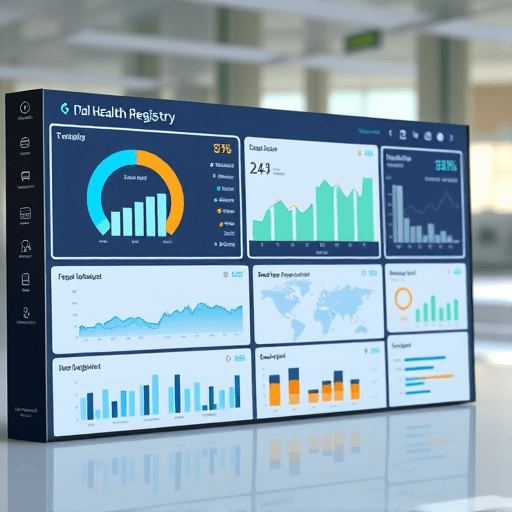
- Secure device integration and automatic data normalization into a single clinical dashboard.
- Actionable alerting tuned to minimize false positives while preserving sensitivity.
- Analytics to measure outcomes—readmission rates, average episode costs, response times, and patient-reported outcomes.
Measuring Success
Essential metrics for Home Hospital 2.0 include:
- 30-day readmission and ED visit rates (compared to matched inpatient cohorts)
- Average cost per episode and overall cost savings
- Time-to-response for mobile clinician dispatches
- Patient satisfaction and functional recovery scores
Challenges and Practical Solutions
Common hurdles and pragmatic responses:
- Connectivity gaps: Provide cellular backup and pre-configured devices with simple user workflows.
- Workforce logistics: Use dynamic routing software for mobile clinicians and cross-train paramedics and nurses for home procedures.
- Data overload: Deploy tiered alerting and clinician-facing summaries rather than raw streams.
Early Evidence and Real-World Impact
Early pilots have shown reduced readmissions by 20–40% for targeted populations, shorter total episode costs, and higher patient experience scores. The combination of continuous wearables, tele-physician oversight, and responsive mobile clinicians appears to deliver both clinical safety and operational efficiency when well implemented.
Getting Started: Practical Steps for Health Systems
- Begin with a focused cohort (e.g., heart failure or pneumonia) to refine technology and workflows.
- Create a multidisciplinary steering group including nursing, telemetry, IT, compliance, and logistics partners.
- Run a tightly monitored pilot, measure outcomes, and iterate on alert thresholds, staffing, and supply chains.
- Engage payers early to build shared-savings or bundled-payment pilots that align incentives.
Home Hospital 2.0 isn’t just a tech upgrade—it’s a redesign of care delivery that puts the patient’s home at the center, backed by continuous data, clinical judgment at a distance, and boots-on-the-ground when hands-on care is required.
Conclusion: By combining continuous wearables, tele-physician oversight, and on-demand mobile clinicians, Home Hospital 2.0 can safely shift short-stay care into the home, reducing readmissions and lowering costs while improving patient experience. Start small, measure rigorously, and scale with attention to regulatory and workforce realities.
Ready to explore implementing Home Hospital 2.0 in your organization? Contact a clinical innovation partner to plan a pilot.