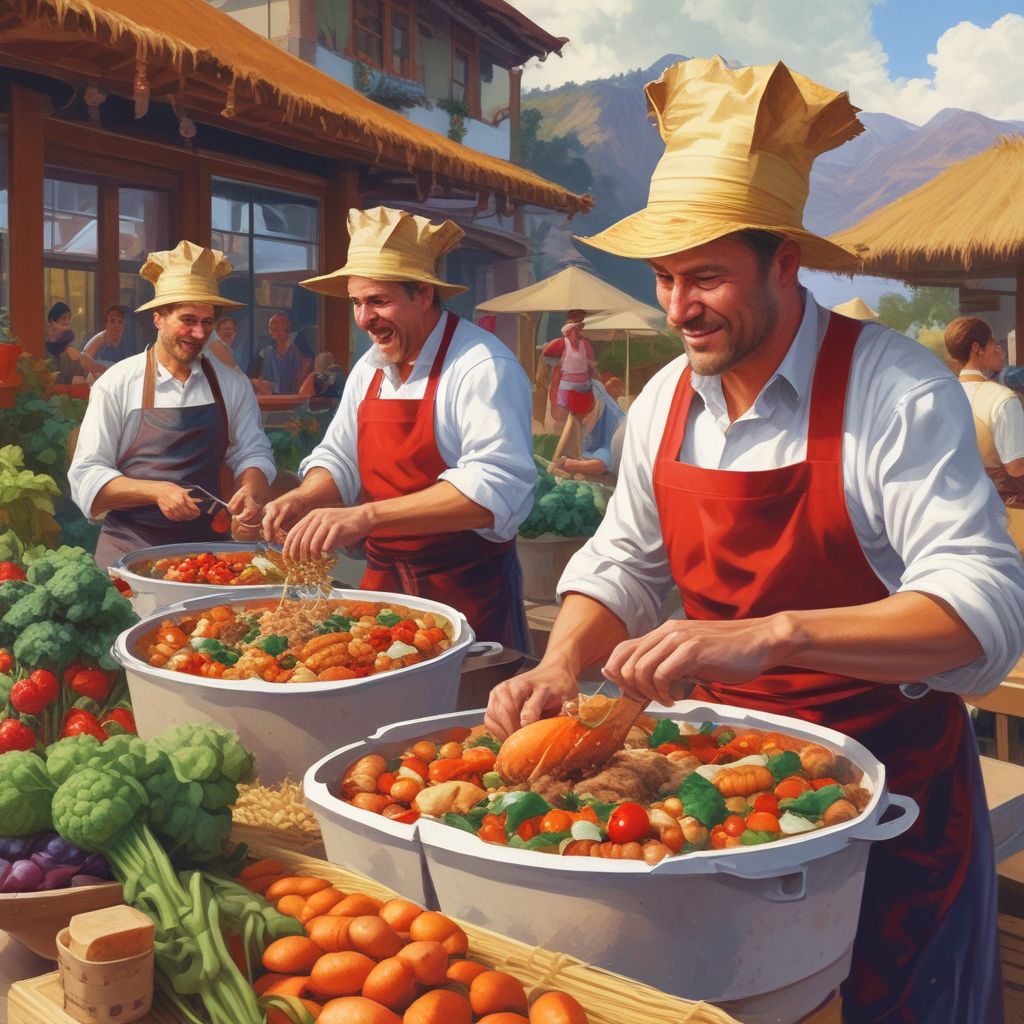
The movement known as Harvest Hoppers has turned seasonal eating into an adventure, with chefs and nomadic diners following short‑lived pop‑up food festivals from rice terraces to arctic berry camps. These ephemeral feasts celebrate local harvests, showcase place‑based cuisine, and create intense, memorable connections between land, plate, and people.
What Are Harvest Hoppers?
Harvest Hoppers are itinerant pop‑up events timed to local harvests and wild foraging windows. Rather than a single festival site, Harvest Hoppers appear where ingredients are at their peak: a barley harvest in Mongolia one week, a blue mussel run in Brittany the next, a cloudberry camp above the Arctic Circle soon after. Each event is temporary—often just a day or a weekend—designed around the short life of the season’s bounty.
Why they matter
- They spotlight hyper‑local ingredients at peak freshness, elevating foods that are otherwise overlooked.
- They build direct relationships between chefs, farmers, fishers, and foragers.
- They promote sustainable, low‑waste cooking because menus must respect what’s available right now.
Profiles from the Road: Chefs and Nomadic Diners
Meet three archetypes often found at Harvest Hoppers:
The Forager‑Chef
Working with minimal equipment, these chefs transform a few seasonal items into layered tasting menus. In the Philippines, a forager‑chef might pair young rice shoots from terraces with foraged seaweeds and smoked freshwater fish, creating dishes that narrate a landscape’s harvest story.
The Curator
Curators design the event—negotiating with landowners, gathering local artisans, and producing the sense of place. They handle logistics so the chef and community can focus on the food and ritual of the harvest meal.
The Nomadic Diner
These are the diners who follow the calendar: they book small, surprise locations and travel to taste a single moment in a food cycle. For them, the appeal is as much about the journey and community as the food itself.
Inside a Typical Harvest Hopper Event
Although each Harvest Hopper is unique, many share a similar rhythm:
- Morning: Foraging or harvesting with local stewards—participants learn how ingredients are grown or gathered.
- Afternoon: Food prep demonstrations, storytelling, and sometimes workshops on preservation techniques like smoking, drying, or lacto‑fermentation.
- Evening: Communal dinner under tarps, in barns, or on cliff edges—multi‑course menus that honor the day’s harvest.
Sample menu ideas
- Starter: Wild nettle consommé with charred spring onion oil.
- Main: Teriyaki‑glazed mountain trout on a bed of steamed rice sprouts and toasted barley.
- Preserve Course: Berry smoke‑cured goat cheese with cloudberry syrup (Arctic region).
- Finish: Field‑to‑cup herb infusion and a bite of fermented grain cake.
Practical Tips for Aspiring Harvest Hoppers
If the idea of joining this new wave excites you, consider these practical tips:
- Pack light and smart: Sturdy shoes, weatherproof layers, a reusable water bottle, and a small notebook for recipes and forager names.
- Be ready to participate: Many events ask guests to help harvest, prepare, or clean—bring a positive attitude and willingness to get hands dirty.
- Respect the land: Follow local harvesting rules, avoid over‑foraging, and support events that give back to the community.
- Book early and expect flexibility: Dates depend on harvest timing and weather; organizers often confirm locations only days in advance.
Community Impact and Sustainability
Harvest Hoppers can create meaningful economic and cultural benefits when organized responsibly. They bring tourist dollars to remote regions, provide markets for small producers, and create cultural exchange between travelers and local communities. However, the model also has risks—overtourism, cultural commodification, and ecological stress from popularity—so ethical organizers embed sustainability practices like participant caps, local hiring, and revenue‑sharing with custodians of the land.
Best practices organizers follow
- Limit attendees to a size appropriate for the site.
- Use leave‑no‑trace principles and low‑impact staging.
- Source staff and ingredients locally wherever possible.
- Invest a portion of proceeds in local conservation or community projects.
The Future of Seasonal Nomadic Dining
As climate shifts alter harvest calendars, Harvest Hoppers could become both barometers of ecological change and models for adaptive cuisine. Chefs on the road already experiment with resilient crops and preservation techniques to extend flavors beyond short windows. Technology—like last‑minute ticket apps and farm‑to‑table supply chains—helps scale the movement while maintaining intimacy.
What to look for next
- Collaborations between indigenous stewards and international chefs that center traditional knowledge.
- Micro‑seasonal festivals that celebrate single plants or techniques (e.g., the fermentation hop, seaweed week).
- Hybrid events blending education, activism, and dining to address food security and climate resilience.
Harvest Hoppers are more than pop‑ups; they’re a new expression of food culture that celebrates temporality, honors sources, and invites both chefs and diners to become temporary custodians of a place. For those willing to chase the seasons, these fleeting festivals deliver not just a meal, but a story—and a reminder that great cooking is rooted in rhythm and respect.
Conclusion: Harvest Hoppers transform seasonal food into an immersive, mobile celebration that connects people to the land and to one another—when done responsibly, they strengthen local economies and culinary heritage while offering unforgettable dining experiences.
Ready to chase your next harvest? Sign up for a Harvest Hopper newsletter or follow a local organizer to get the first notice on upcoming pop‑ups.