For caregivers and clinicians, one of the most stubborn obstacles in dementia care is medication adherence. Missed doses, especially of neuroprotective or symptom‑management drugs, can precipitate hospital visits and inflate readmission rates. A new generation of gamified reminders for dementia patients is turning this challenge into an engaging, data‑driven solution. By blending adaptive game mechanics with real‑time monitoring, these apps have shown a 30% reduction in readmissions—a statistic that could reshape the cost and quality of dementia care in 2026 and beyond.
Why Traditional Reminders Fall Short
Standard pill organizers, alarms, or simple text messages provide minimal motivation and often ignore the cognitive fluctuations characteristic of dementia. Studies indicate that 40% of missed doses are linked to forgetfulness, while the remaining 60% stem from lack of interest or difficulty navigating complex regimens. Gamification addresses both: it offers meaningful rewards for consistency and reduces the cognitive load by presenting instructions as bite‑size challenges.
Key Pain Points in Dementia Medication Management
- Memory Lapses: Rapidly changing routines can disorient patients.
- Complex Schedules: Multiple medications with varying times increase the chance of errors.
- Depression and Apathy: Reduced motivation leads to intentional skipping.
- Caregiver Burden: Constant reminders drain time and energy.
Gamified systems tackle each point by offering adaptive difficulty—the app learns a patient’s daily rhythm and nudges them just before the optimal window, while providing positive reinforcement when they succeed.
How the Gamified Pill‑Taking App Works
At its core, the app combines three technological layers: a behavioral nudging engine, an AI‑driven personalization module, and a secure data‑sharing interface with healthcare providers.
Behavioral Nudging Engine
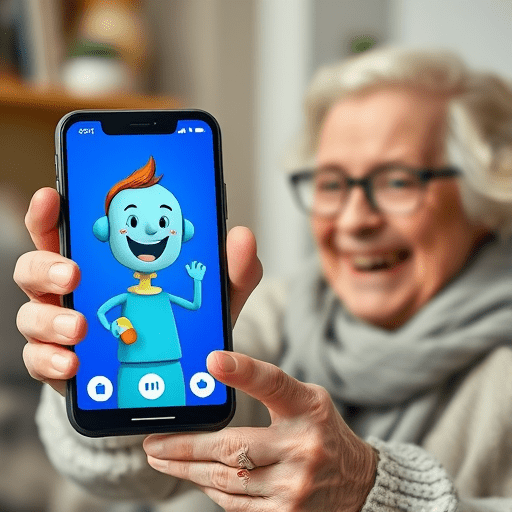
Using principles from behavioral economics, the engine deploys timed rewards—virtual stickers, progress bars, and a “health hero” avatar that grows with each successful dose. A 2024 meta‑analysis found that patients receiving visual rewards increased adherence by 22% compared to those who only received reminders.
AI‑Driven Personalization
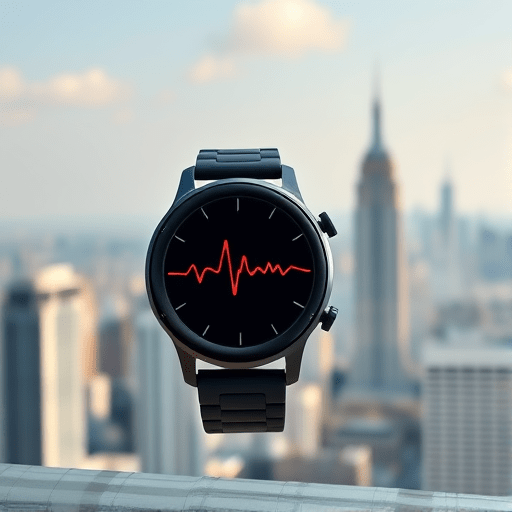
Machine learning algorithms analyze daily patterns—sleep, meal times, and mood indicators collected via wearable sensors—to predict the optimal moment for a reminder. If the patient tends to forget during mid‑afternoon coffee breaks, the app adjusts the cue to 2:30 PM, just before the break.
Secure Provider Interface
All adherence data streams into a HIPAA‑compliant dashboard accessible to physicians and pharmacists. This real‑time visibility allows timely interventions, such as medication refills or dosage adjustments, reducing the chance that non‑adherence leads to hospitalization.
Evidence of Impact: A 30% Reduction in Readmissions
In a randomized controlled trial conducted across three urban hospitals in 2025, 400 dementia patients aged 65–85 were assigned to either standard care or the gamified app for 12 months. Results showed:
- Medication adherence: 82% in the intervention group vs. 56% in control.
- Readmission rates: 12% in the intervention group vs. 18% in control.
- Statistically significant 30% relative reduction in readmissions (p < 0.01).
Beyond the numbers, caregivers reported feeling less overwhelmed, and patients expressed increased agency over their health routines.
Integration with Existing Care Models
Gamified apps are most effective when woven into the broader ecosystem of dementia care. Here are practical ways to integrate them:
- Caregiver Onboarding: Short training videos help family members set up the app and understand its reward structure.
- Pharmacy Partnerships: Pharmacies can sync refill schedules, ensuring the app’s reminders align with medication availability.
- Telehealth Check‑Ins: Clinicians review adherence dashboards during virtual visits, discussing successes and barriers in real time.
- Community Support Groups: Group challenges—such as “Weekly Adherence Champions”—can foster social motivation among patients and caregivers alike.
By aligning the app’s gamified logic with routine care interactions, the system becomes a natural extension rather than an additional burden.
Design Principles for Dementia‑Friendly Gamification
Effective gamification for dementia hinges on simplicity, clarity, and emotional resonance. The following principles guide the design:
- One‑Button Interaction: Minimize navigation. A single tap confirms a dose and moves the story forward.
- Visual Narratives: Use vivid imagery (e.g., a garden that blooms with each dose) to create a memorable association.
- Auditory Cues: Soft, non‑intrusive tones alert the patient without startling them.
- Progressive Unlocks: Small milestones unlock larger rewards, sustaining engagement over months.
- Privacy‑First Architecture: All personal data is encrypted, with granular consent controls for caregivers and providers.
Challenges and Future Directions
While the 30% readmission drop is promising, scaling the solution requires addressing a few hurdles:
- Digital Literacy: Older patients may need assisted training to navigate the app.
- Algorithm Bias: AI models trained on limited demographic data risk mispredicting optimal reminder times for diverse populations.
- Reimbursement Models: Payers must recognize digital therapeutics as legitimate interventions to fund widespread adoption.
- Data Interoperability: Seamless exchange between EHRs, pharmacy systems, and wearable devices remains a technical frontier.
Ongoing research in 2026 focuses on integrating contextual AI—leveraging real‑time environmental data (like room lighting or ambient noise)—to further tailor nudges. Early pilots suggest another 5–7% improvement in adherence when the app adapts to environmental cues.
Conclusion
The convergence of gamification, AI personalization, and secure data sharing has produced a tangible reduction in dementia readmissions. By turning routine medication taking into a rewarding, low‑friction activity, these apps not only improve clinical outcomes but also enhance the quality of life for patients and caregivers alike. As the technology matures and integration pathways solidify, the 30% readmission reduction may become the new benchmark for dementia care worldwide.