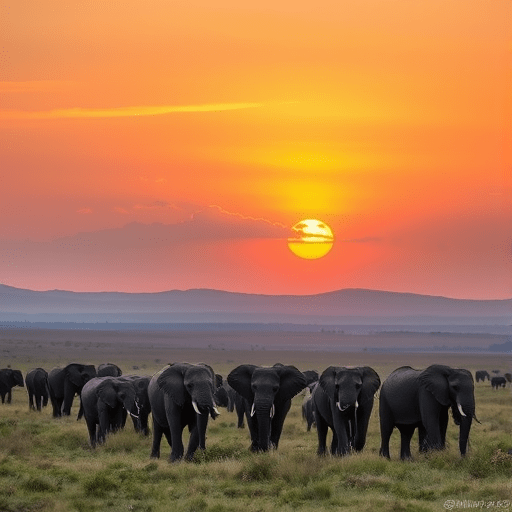
In 2026, the demand for responsible wildlife tourism continues to surge, and travelers who wish to see Kenya’s iconic fauna now have an expanded array of certified ethical tour operators. If you’re planning a trip, it’s crucial to know how to spot a tour that not only follows international conservation standards but also genuinely benefits local communities. This guide offers a concise, step‑by‑step checklist and highlights emerging ethical operators, ensuring you can enjoy Kenya’s wildlife without compromising ethical practices.
Why Certification Matters in 2026
Recent studies show that unregulated wildlife tourism can contribute to habitat disturbance, animal stress, and community displacement. Certification bodies—such as the Global Sustainable Tourism Council (GSTC) and Africa Wildlife Conservation Board (AWCB)—set rigorous criteria that safeguard animal welfare, ensure fair labor practices, and promote local economic empowerment. A certified operator demonstrates a commitment to these principles, giving travelers confidence that their visit supports sustainable conservation and ethical treatment of wildlife.
What to Look For in an Ethical Certification
International Standards and Local Recognition
Look for certifications endorsed by globally recognized bodies (e.g., GSTC) and cross‑validated by regional authorities like the Kenya Wildlife Service (KWS). Dual recognition confirms that the operator meets both international best practices and local regulatory requirements.
Transparency in Fees and Animal Welfare Practices
Certified tours disclose all fees upfront—including park entrance, permits, and wildlife interaction costs—and provide detailed accounts of how these funds are allocated toward conservation projects and community development. Additionally, they adhere to strict animal handling protocols that prioritize animal well‑being over spectacle.
Community Engagement and Benefit Sharing
Assess whether the operator partners with local communities, offers fair wages, and supports community‑led conservation initiatives. Ethical operators invest in education, health, and infrastructure projects that directly benefit the people living near the wildlife habitats they showcase.
Quick Checklist: 7 Steps to Verify a Tour
Step 1: Check the Certification Body
Verify that the tour lists an active, reputable certification from a recognized organization. Cross‑reference the certification ID on the certifying body’s official website to confirm authenticity.
Step 2: Review the Tour’s Animal Interaction Policies
Ask for a written policy outlining permissible wildlife interactions. Ethical tours limit close contact, avoid exotic animal enclosures, and prohibit any activities that could stress animals or encourage poaching.
Step 3: Verify Community Partnerships
Request documentation of collaborations with local NGOs, community councils, or cooperatives. Look for evidence of shared revenue models, community‑run lodges, or conservation projects co‑managed with residents.
Step 4: Inspect Accommodation Standards
Check that lodging meets sustainable building practices, uses renewable energy, and recycles waste. Many certified operators partner with eco‑certified accommodations that provide comfortable, low‑impact stays.
Step 5: Examine Transportation and Carbon Footprint
Confirm that vehicles are fuel‑efficient or electric, and that the operator has a carbon offset plan. Some certified tours include an eco‑drive policy that reduces emissions during safari routes.
Step 6: Confirm Transparency of Costs
Compare the quoted price with similar tours and ask for a breakdown of fees. Ethical operators provide a transparent cost sheet, showing how much goes to wildlife protection, park fees, and community support.
Step 7: Read Recent Reviews and Feedback
Consult independent review platforms and social media to gauge customer experiences. Pay special attention to comments on animal welfare, community interactions, and the operator’s adherence to stated policies.
Emerging Ethical Tour Operators to Watch in 2026
Green Safari Kenya
Founded in 2023, Green Safari Kenya has quickly gained GSTC certification and partners with the Maasai Mara Community Trust. They offer “Low‑Impact” safaris that prioritize minimal human presence and rely on local guides to enrich the experience.
Nairobi Ethical Adventures
Nairobi Ethical Adventures focuses on urban wildlife conservation, guiding visitors through the Nairobi National Park while highlighting conservation research projects. They are the first Kenyan tour operator to receive the “Eco‑Guide” designation from the Kenya Ministry of Tourism.
Maasai Conservation Safaris
Operating since 2021, this tour collaborates with Maasai conservationists to provide cultural experiences alongside wildlife viewing. Their certification includes community benefit clauses that fund educational scholarships for Maasai children.
How to Report Unsanctioned Practices
Official Channels
Contact the Kenya Wildlife Service (KWS) or the Ministry of Tourism with documented evidence of unethical practices. These agencies have dedicated compliance units that investigate and sanction non‑compliant operators.
Social Media and Digital Advocacy
Platforms like Instagram and Twitter allow travelers to highlight unsanctioned tours. Ethical operators often monitor these channels, and public exposure can accelerate corrective action by regulators.
FAQ About Certified Ethical Wildlife Tours
What qualifies as “ethical”?
Ethical tourism in wildlife contexts means minimizing disturbance to animals, ensuring fair treatment of local communities, and contributing to conservation and economic development.
How can I verify a certification myself?
Visit the certifying body’s website, input the certification number, and confirm the operator’s compliance status. Look for “Verified” stamps or digital certificates.
What if I find a tour that lacks certification but seems ethical?
While appearance can be deceptive, uncertified operators are not bound by regulatory oversight. Consider supporting certified operators to maintain industry standards and protect the ecosystem.
Conclusion
By following this quick checklist and staying informed about emerging certified operators, you can confidently enjoy Kenya’s wildlife while supporting responsible tourism practices. A mindful choice today helps preserve the continent’s natural heritage for generations to come.