The Living Laboratory Revolution
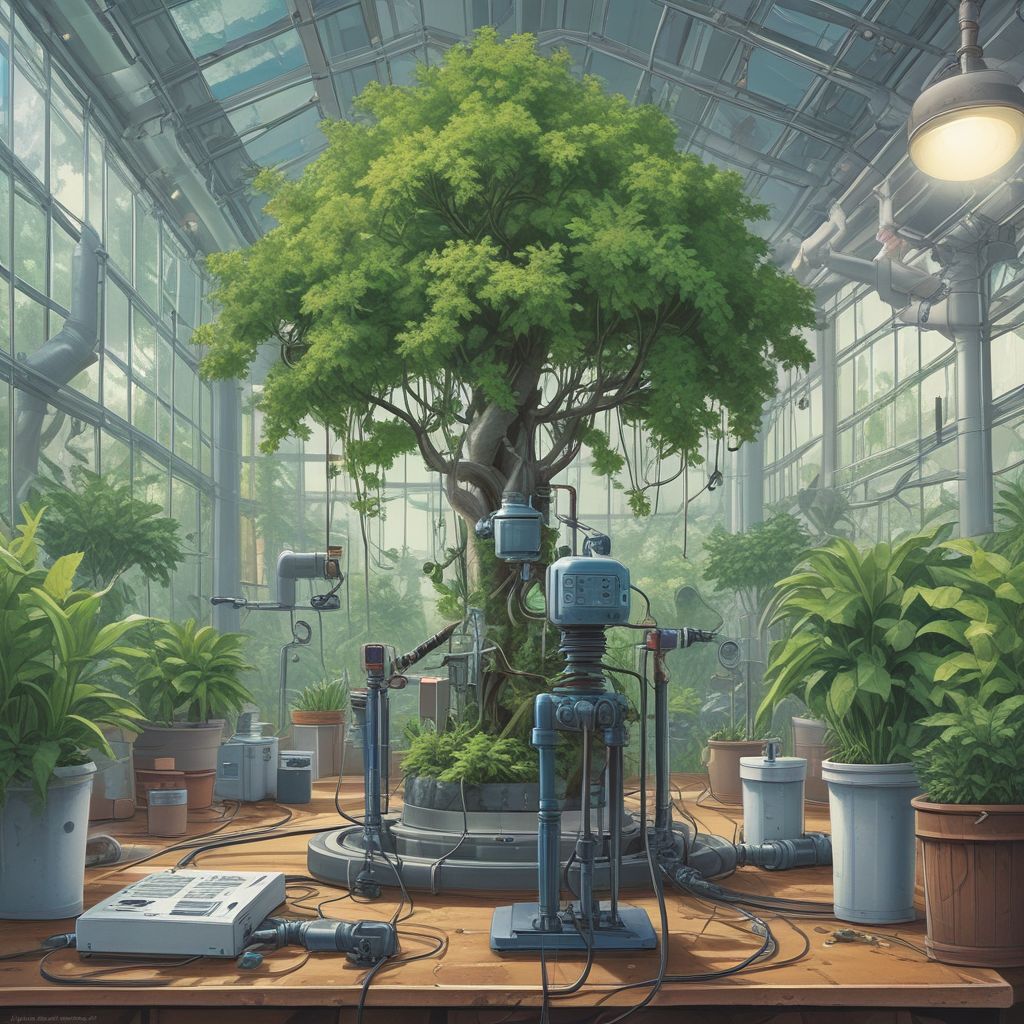
Imagine a forest that continuously monitors its own health, sending real-time data about air quality, soil conditions, and water availability straight to researchers and policymakers. This isn’t science fiction—it’s the emerging field of plant-based biosensors, where genetic engineering and nanotechnology converge to transform flora into autonomous environmental data collectors.
Traditional climate monitoring relies on stationary sensors, satellites, and manual sampling—methods that often miss localized changes or create data gaps in remote areas. Engineered plants offer a living, self-replicating network that can fill these voids while adapting to their surroundings.
How Bio-Sensors Work
Genetic Engineering: The Foundation
Scientists are modifying plant DNA to incorporate reporter genes that respond to specific environmental triggers. For example:
- Heavy metal detection: Genes from bacteria can be inserted to cause plants to change color when lead or cadmium levels rise.
- Drought response: Modified crops might grow unique patterns or fluorescence under water stress, signaling irrigation needs.
- Temperature shifts: Some engineered plants alter leaf morphology at extreme temperatures, creating visible markers.
Nanosensor Integration: Power and Communication
Nanotechnology provides the tools to make these plants truly autonomous. Tiny coatings applied to leaves or roots contain:
- Piezoelectric materials: Harvest energy from wind, rain, or plant movement to power embedded micro-sensors.
- Photovoltaic nanoparticles: Convert sunlight into electricity, eliminating the need for batteries.
- Wireless micro-transmitters: Send data via low-power radio waves or optical signals to nearby collection hubs.
These nanosystems are designed to be biocompatible, ensuring they don’t harm the host plant or ecosystem.
Real-World Applications
Pollution Monitoring
In industrial regions, engineered mosses and grasses now line waterways and factory perimeters. When harmful pollutants like sulfur dioxide or benzene enter the air, the plants’ leaves shift color within minutes. This provides early warnings for nearby communities and helps regulators identify leak sources.
Agricultural Optimization
Farmers are testing drought-sensing crops that glow faintly under infrared light when water levels drop. Irrigation systems can automatically activate based on this feedback, reducing waste and conserving resources.
Biodiversity and Ecosystem Health
Conservationists deploy sensor-equipped trees in fragile ecosystems. By tracking microclimate changes, soil acidity, or invasive species proximity, these plants help protect endangered habitats from deforestation or climate shifts.
Challenges and Ethical Considerations
While promising, the technology raises important questions:
- Ecological impact: Could engineered traits spread unintended to wild populations?
- Data privacy: Who owns the environmental data collected by these plants?
- Biological containment: Robust fail-safes are needed to prevent sensor systems from interfering with natural plant processes.
Researchers are addressing these issues through gene-editing techniques that limit trait expression to specific conditions and geographic boundaries.
The Future of Green Monitoring
As the technology matures, we can expect:
- Smart urban forests: City trees that monitor air quality and adjust their canopy density to optimize cooling.
- Climate-resilient crops: Plants that self-report stress levels, guiding breeding programs for future-proof agriculture.
- Global sensor networks: A decentralized web of flora providing continuous, high-resolution climate data from every continent.
By merging biology with engineering, we’re not just observing the environment—we’re empowering it to speak for itself. These living laboratories could become one of our most vital tools in the fight against pollution and climate change, turning every leaf, root, and bloom into a node in a planetary health monitor.