In 2026, Emerging AI Technologies for Adaptive Sports Coaching are shifting the paradigm of training for athletes with disabilities. By harnessing machine learning, computer vision, and sensor fusion, these tools analyze performance data at an unprecedented granularity, enabling coaches to craft individualized programs that adapt in real time. This article explores the cutting‑edge AI solutions that are reshaping adaptive sports, the ethical considerations they entail, and practical pathways for implementation.
AI‑Powered Motion Capture: Precision Coaching for Paralympic Athletes
Traditional motion analysis relied on high‑cost cameras and manual annotation. Today, deep‑learning models embedded in smartphones and lightweight sensor rigs can detect joint angles, muscle activation patterns, and biomechanical asymmetries with sub‑millimeter accuracy. For athletes using prosthetics or orthoses, AI algorithms segment device‑related motion from natural movement, providing insights that were previously invisible.
- Real‑time pose estimation: Algorithms like MediaPipe and OpenPose run on edge devices, delivering instant feedback during training sessions.
- Dynamic weight distribution: Sensors embedded in footwear or wheelchairs measure pressure points, informing balance adjustments.
- Transfer learning for unique anatomies: Models adapt to individual body shapes by fine‑tuning on small datasets, ensuring relevance for users with rare conditions.
Case Study: Wheelchair Racing Optimization
A university lab partnered with a national wheelchair team to deploy an AI motion capture system on the track. By continuously monitoring arm stroke frequency and spinal curvature, the system flagged subtle fatigue patterns 2–3 minutes before peak exertion, allowing coaches to modulate pacing strategies. Within six months, the team saw a 4% improvement in lap times and a measurable reduction in overuse injuries.
Personalized Data Dashboards: Empowering Coaches and Athletes
Beyond raw numbers, adaptive coaching requires a holistic view that combines physiological, environmental, and psychological metrics. AI synthesizes these data streams into dashboards that surface actionable insights.
- Multimodal data fusion: Wearable ECG, GPS, and ambient noise levels merge to predict optimal training windows.
- Predictive injury modeling: Machine learning models assess cumulative load and flag risk indicators such as increased heart rate variability.
- Goal‑tracking visualizations: Progress bars and heat maps illustrate performance trends over time, fostering motivation.
Customizable Alerts and Recommendations
Coaches can set threshold parameters for each athlete. When the AI detects a deviation—such as a sudden drop in stride consistency—the dashboard sends an instant alert. Recommendations range from targeted stretching routines to rest periods, all grounded in the athlete’s individualized profile.
Real‑Time Adaptive Feedback: On‑Field Decision Making
During competition, split‑second decisions can determine outcomes. AI‑driven feedback systems provide instantaneous guidance, translating complex analytics into simple cues.
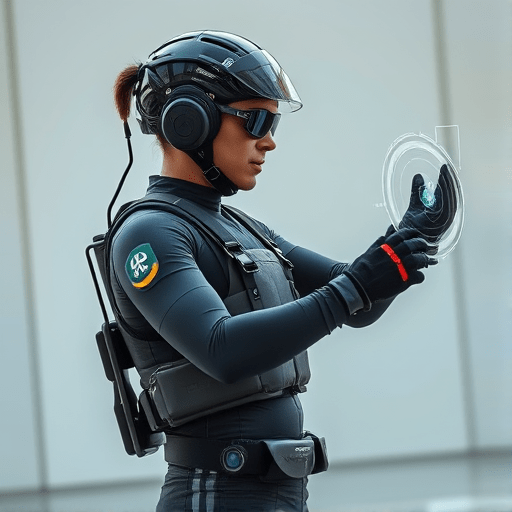
- Gesture‑based coaching: Visual overlays on smart glasses indicate optimal push angles for cyclists with limb differences.
- Vocal prompts: Smart earbuds emit concise instructions (“Increase elbow flexion”) when biomechanical thresholds are breached.
- Environmental adjustments: AI monitors wind speed and direction, suggesting lane changes or equipment tweaks for swimmers with limited reach.
Integrating AI with Augmented Reality (AR)
AR headsets project personalized biomechanical overlays onto the athlete’s field of view. For example, a sprinter with a below‑knee amputation can see a virtual hip extension guide, helping them correct posture on the fly without interrupting focus.
Ethical AI Design: Inclusive Algorithms and Bias Mitigation
As AI systems become central to training, ensuring fairness and privacy is paramount. Inclusive design principles are guiding the development of adaptive coaching tools.
- Bias‑free datasets: Curated training data includes diverse body types, injury histories, and cultural contexts.
- Transparent model explanations: Explainable AI (XAI) frameworks let coaches understand why a recommendation was made, fostering trust.
- Data sovereignty: Cloud storage protocols protect athlete data, giving users control over sharing and deletion.
Regulatory Compliance
In 2026, the European Union’s AI Act and the U.S. Algorithmic Accountability Act set standards for health‑related AI. Adaptive sports platforms are aligning with these regulations by incorporating audit trails, impact assessments, and regular third‑party evaluations.
Future Trends: AI and Wearable Integration
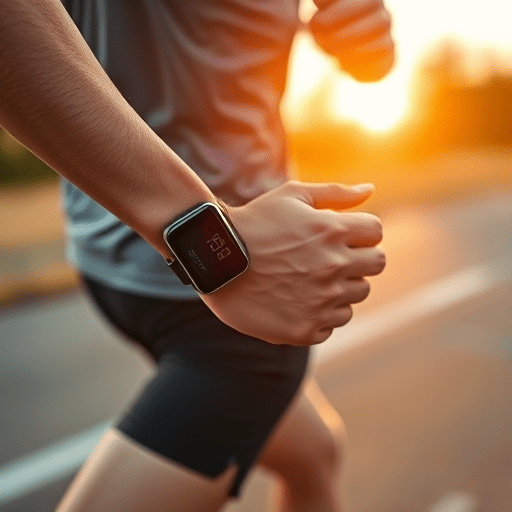
Wearable technology is evolving from simple data collectors to smart therapeutic devices. AI transforms these wearables into proactive coaching partners.
- Closed‑loop prosthetic control: Sensors in prosthetic limbs feed real‑time kinematic data to AI, which adjusts motor torque for smoother gait.
- Smart exoskeletons: AI calibrates assistive forces based on fatigue metrics, allowing athletes with spinal cord injuries to train with greater safety.
- Environmental sensing: Wearables detect temperature, humidity, and UV index, informing hydration and sun‑protection strategies for outdoor athletes.
Collaborative AI Ecosystems
Interoperability standards (e.g., FHIR for health data, ISO/IEC 2382 for sport metrics) are enabling ecosystems where athlete data can flow between physiotherapists, nutritionists, and AI coaches, creating a seamless support network.
Implementing AI Solutions in Adaptive Training Programs
Transitioning to AI‑enhanced coaching involves more than buying technology; it requires a cultural shift within teams and a structured rollout plan.
- Start small: Pilot a single AI tool with a subset of athletes to assess impact and refine workflows.
- Train stakeholders: Offer workshops for coaches, therapists, and athletes to demystify AI concepts and highlight benefits.
- Iterate with feedback: Collect user experience data and iterate on UI/UX, ensuring the platform remains intuitive.
- Measure outcomes: Track performance metrics (e.g., time, distance, injury rates) to quantify ROI and guide scaling decisions.
Collaboration with technology partners that prioritize accessibility can accelerate adoption. Partnerships with research institutions can also provide access to cutting‑edge algorithms and validation studies.
Conclusion
The landscape of adaptive sports coaching is being redefined by emerging AI technologies that deliver hyper‑personalized analytics, real‑time feedback, and ethical data stewardship. As these tools mature, they empower athletes with disabilities to push performance boundaries safely and confidently. By thoughtfully integrating AI into training regimens, coaches can unlock new levels of resilience and achievement for every athlete, regardless of physical limitations.