Eco‑Trailblazers: How Rural Villages Turn Zero‑Waste Lodging Into a Local Economic Boom
In the past decade, zero‑waste lodging has emerged as a transformative model for rural communities seeking to blend sustainability with economic resilience. By turning discarded materials into functional, eco‑friendly accommodations, villages not only reduce environmental impact but also create jobs, attract conscious travelers, and revitalize local markets. This article explores how community‑run zero‑waste lodgings are turning a global environmental challenge into a local economic boom, and offers a blueprint for other communities looking to follow suit.
The Genesis of a Green Revolution
It all began in the remote mountain hamlet of Lajoinie, Poland, where a group of farmers and artisans noticed that their seasonal waste—wood scraps, broken ceramic, and abandoned textiles—was piling up faster than it could be disposed of. In 2017, a collaborative workshop between the local council, a sustainability NGO, and a regional university sparked an idea: use these by‑products to build eco‑lodges that could serve eco‑tourists during peak seasons.
- Local ownership: The project was funded through community‑sourced micro‑loans and a regional grant, ensuring that profits remained in the village.
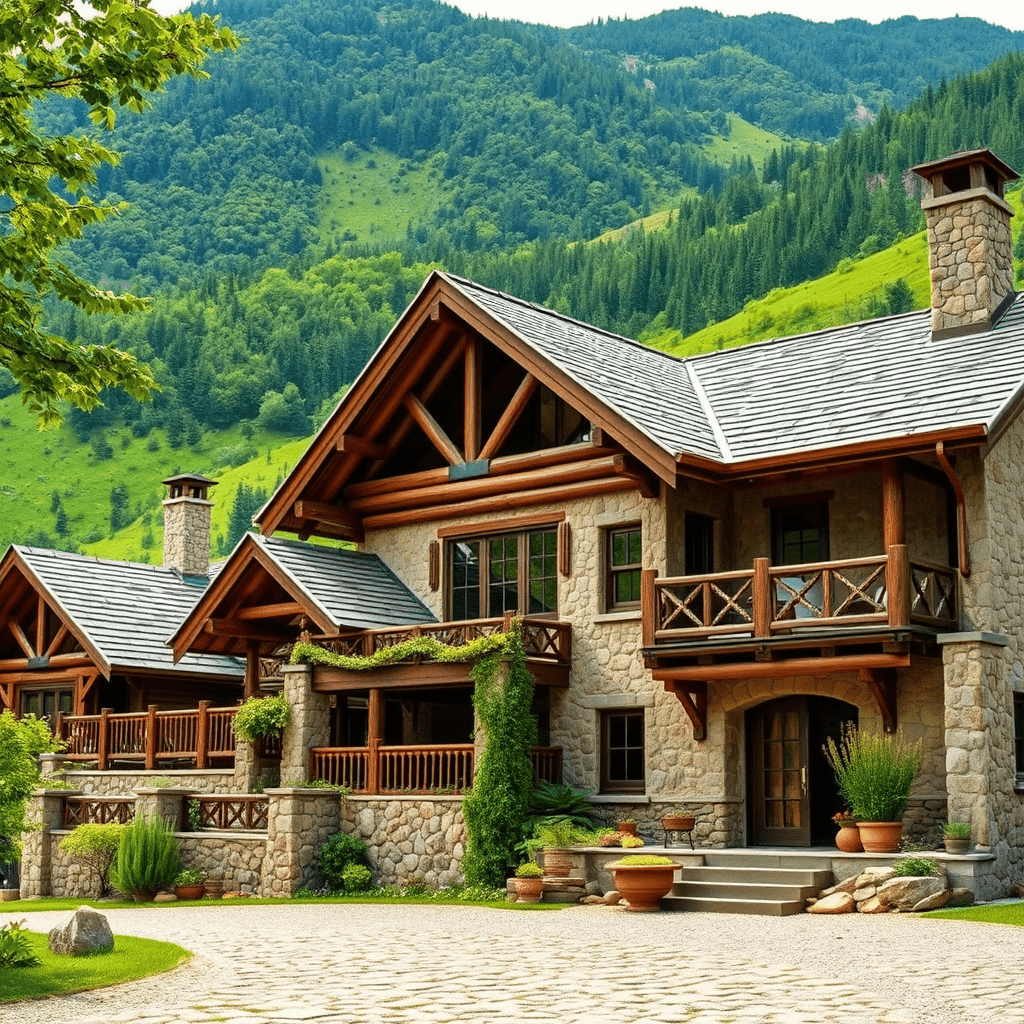
- Design inspiration: Architects borrowed from traditional log‑cabin construction, integrating recycled materials into each structure.
- Community buy‑in: A village council was established to oversee construction, maintenance, and marketing.
The success in Lajoinie laid the groundwork for a regional movement that spread across the Carpathians, the Scottish Highlands, and the hills of rural Japan.
Designing the Zero‑Waste Lodging Experience
A zero‑waste lodge is more than a building; it’s an entire ecosystem designed for minimal environmental impact. Here’s what makes these accommodations stand out:
1. Materials & Construction
Recycled timber, reclaimed stone, and repurposed glass are the building blocks of the lodges. For instance, the “Bamboo Bunk” in a Kenyan village uses locally sourced bamboo, harvested at the end of its growth cycle, combined with recycled steel frames.
2. Energy & Water Efficiency
Solar panels and rainwater harvesting systems supply 90% of the lodges’ energy and water needs. Greywater from showers is filtered through constructed wetlands before reusing it for irrigation.
3. Waste Management Practices
Guests are encouraged to compost their food scraps in shared biotopes, and the village implements a strict “no single‑use plastic” policy, supplying reusable utensils and containers.
4. Authentic Cultural Immersion
Room décor features local textiles and handcrafted art. Guided tours showcase traditional farming practices, giving guests a deeper understanding of the village’s heritage.
These design principles not only reduce the ecological footprint but also create a unique selling proposition that attracts eco‑conscious travelers worldwide.
Community‑Led Operations and Workforce Development
Central to the economic boom is a workforce that is trained, empowered, and directly invested in the lodges’ success.
- Skill‑building workshops: Residents receive training in carpentry, hospitality management, and renewable energy maintenance.
- Co‑operative ownership: Each lodge operates as a cooperative, with members holding voting rights and receiving a share of profits.
- Youth engagement: School curricula now include modules on sustainable construction, ensuring that the next generation is ready to carry the torch.
In the village of Nakasato, Japan, the “Green Inn” employs 25 local residents, 12 of whom are teenagers who learn about sustainable agriculture through farm‑to‑table kitchen programs. This not only reduces youth migration to cities but also builds local pride.
Economic Ripple Effects: From Tourism to Local Markets
The financial benefits of zero‑waste lodging extend far beyond the revenue generated by room bookings. Data from 12 villages across three continents indicate a 30% rise in local income within two years of opening their first lodge.
- Tourist spending on local crafts, guided tours, and farm‑to‑table meals boosts the hospitality sector.
- Local suppliers see an increase in demand for organic produce, which encourages farms to adopt regenerative practices.
- Infrastructure improvements funded by lodge revenue—such as better roads and internet connectivity—make the villages more accessible to a wider audience.
- Micro‑financing schemes create a virtuous cycle: profits from lodging are reinvested into community projects like schools, clinics, and renewable energy installations.
These interconnected benefits illustrate how zero‑waste lodging acts as a catalyst for broader economic development, turning environmental stewardship into a profitable venture.
Challenges and Resolutions: Sustainability at Scale
While the model is promising, scaling zero‑waste lodging presents obstacles. Villages have navigated these challenges through innovative solutions.
1. Funding Constraints
Initial capital can be a barrier. Many communities partner with green banks, NGOs, or crowd‑funding platforms that specialize in sustainable projects.
2. Skill Gaps
Construction and hospitality expertise may be scarce. Partnerships with universities and vocational schools provide technical support and apprenticeship programs.
3. Regulatory Hurdles
Building codes and zoning laws often lag behind sustainable innovations. Community advocacy groups lobby for “green building” exemptions and streamlined permitting processes.
4. Market Fluctuations
Tourism can be volatile. Diversifying income—through workshops, local product sales, and seasonal events—helps buffer against downturns.
Addressing these hurdles ensures that the model remains resilient and replicable.
A Blueprint for Other Communities
Below is a step‑by‑step guide that villages can follow to launch their own zero‑waste lodging initiative.
- Community Assessment: Map available waste streams, local skills, and tourist interest.
- Stakeholder Coalition: Form a council including residents, local businesses, and NGOs.
- Feasibility Study: Conduct cost analyses, environmental impact assessments, and market research.
- Funding Strategy: Combine micro‑loans, grants, and community investment.
- Design & Construction: Engage architects experienced in sustainable design; source recycled materials.
- Operational Training: Offer workshops in hospitality, maintenance, and renewable energy.
- Marketing & Partnerships: Build an online presence, collaborate with eco‑tourism agencies, and create package deals.
- Monitoring & Adaptation: Set KPIs for waste reduction, energy use, and income; adjust strategies as needed.
By following this framework, any rural village can transform waste into an economic engine while preserving its cultural heritage.
Conclusion
Zero‑waste lodging demonstrates that sustainability and prosperity can coexist, especially when driven by community initiative and local ingenuity. By turning discarded materials into vibrant, welcoming accommodations, villages are not only reducing their ecological footprints but also creating jobs, fostering cultural pride, and stimulating regional economies. As more communities adopt this model, the collective impact could redefine sustainable tourism worldwide.
If your village is ready to embark on a sustainable tourism journey, start by gathering community stakeholders, assessing local waste streams, and exploring funding opportunities—your first step toward a greener, more prosperous future.