Eco-Friendly Pit Stops: A Guide to Sustainable Family Road Trips that Reduce Waste and Teach Kids About Conservation
When you pack the car for a long journey, you might think you’re only preparing for a fun adventure. In reality, the way you travel can leave a lasting environmental footprint. Eco-friendly pit stops turn every stop into an opportunity to reduce waste, conserve resources, and inspire your children to become stewards of the planet. This guide offers practical, family‑friendly strategies for making your road trip greener—right from planning the route to teaching kids how to protect the world they’ll inherit.
1. Plan Your Route with Sustainability in Mind
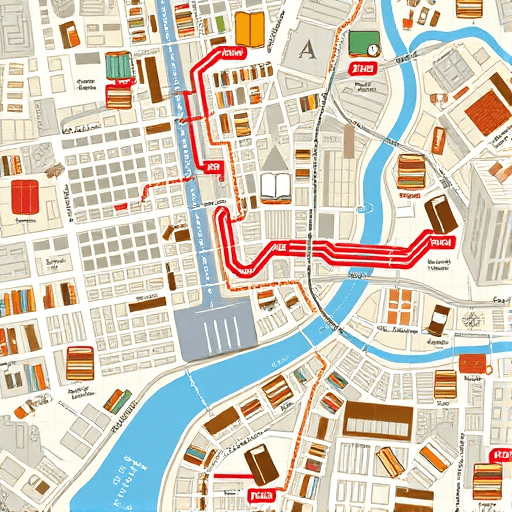
Before you hit the highway, map out a route that minimizes environmental impact. Here’s how:
- Use fuel‑efficient roads. Prefer highways over winding mountain roads that require frequent braking and acceleration.
- Plan stops strategically. Avoid driving back and forth for random detours—schedule all your pit stops in one go.
- Incorporate eco‑friendly destinations. National parks, wildlife refuges, and community gardens often have recycling and composting stations.
- Check for local incentives. Many regions offer electric‑vehicle charging stations and low‑emission zones; plan your route accordingly.
Tools to Make Route Planning Easy
Leverage technology for greener travel:
- Google Maps “Eco Mode.” This setting recommends the most fuel‑efficient route.
- GasBuddy. Find the cheapest and cleanest fuel options along your path.
- AllTrails or TrailMap. Locate nearby parks and natural trails that offer free or low‑cost entry.
2. Pack Sustainably: Reduce, Reuse, Recycle
A well‑planned backpack can cut waste by half. Consider the following:
- Reusable containers. Stainless steel water bottles, glass jars for snacks, and silicone lids replace single‑use plastics.
- Biodegradable cleaning wipes. Instead of paper towels, use reusable cloths that can be washed and reused.
- Bring a compact compost bin. A small bag for organic waste can be emptied at a park’s compost station.
- Minimal packaging. Purchase snacks in bulk and bring them in your own containers.
- Pack a small recyclable kit. Include a lightweight bag, a zip‑lock bag for plastics, and a compact recycling pouch.
Teaching kids to pack responsibly builds habits that last a lifetime. Ask them to bring only what they need, and reward them for using reusable items.
3. Choose Eco‑Friendly Pit Stops
Not all stops are created equal. When you decide where to refuel, eat, or rest, keep these tips in mind:
- Fuel sustainably. Opt for stations that sell biodiesel or electric charging options. If you can, use a portable electric charger for an electric or hybrid vehicle.
- Eat locally. Restaurants with farm‑to‑table menus often use seasonal produce, reducing transportation emissions.
- Support zero‑waste shops. Look for refill stations where you can refill shampoo, soap, or cleaning supplies.
- Use park facilities. Many national and state parks have designated recycling and compost bins, encouraging responsible waste disposal.
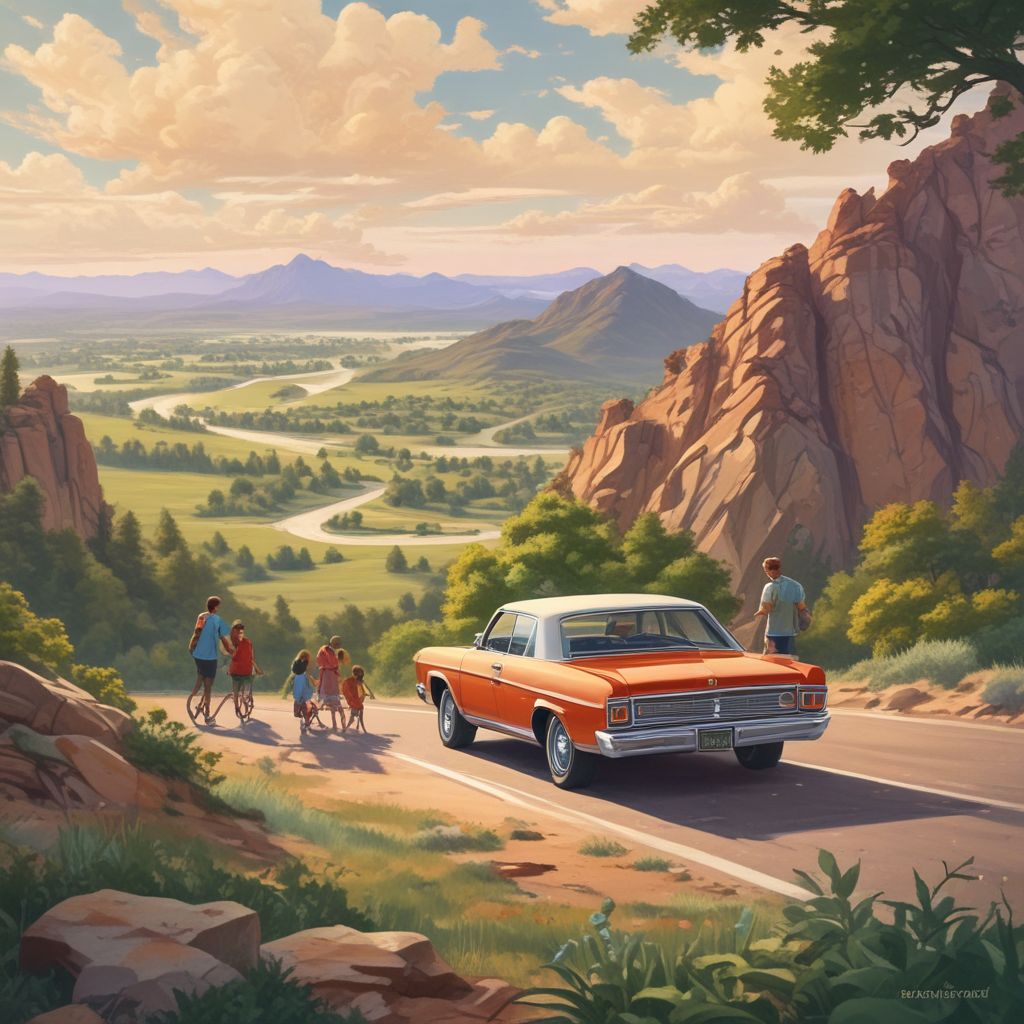
- Plan rest breaks at bike trails. Allow your kids to explore a trail, get exercise, and learn about local flora and fauna.
Finding the Right Pit Stops
Use apps like ZeroWaste Finder and GreenPlaces to locate zero‑waste restaurants and refill stations along your route. When you stop at a park, look for informational signage about local wildlife and conservation efforts.
4. Teach Kids About Conservation On the Road
Road trips provide a living classroom. Engage children in interactive learning:
- Nature scavenger hunts. Create a list of items like a feather, a pinecone, or a specific leaf species. Kids can check them off as they encounter them.
- Field journals. Encourage children to sketch landscapes, write observations, and record the sounds of nature.
- Leave No Trace education. Explain how to minimize impact—pack out trash, stay on trails, and respect wildlife.
- Digital eco‑games. Use apps that quiz kids on conservation facts while they’re in the car.
- Storytime with eco‑themes. Choose books that focus on protecting oceans, forests, or wildlife.
These activities turn passive driving time into an active learning experience that reinforces the importance of caring for the environment.
5. Minimize Waste While Driving
Even simple habits can drastically reduce your environmental footprint:
- Use digital maps. Avoid paper maps and travel guides that contribute to deforestation.
- Turn off unused devices. Reduce energy consumption in the car by disabling Bluetooth or Wi‑Fi when not needed.
- Plan meals. Bring homemade sandwiches in reusable containers to avoid single‑use wrappers.
- Dispose responsibly. When you can’t find a recycling bin, store waste in a sealable bag for later disposal.
- Share rides. If traveling with friends or family, coordinate to share a single vehicle.
6. Eco‑Friendly Entertainment for the Whole Family
Staying entertained during a road trip can be as sustainable as the rest of the journey:
- Curated playlists. Download music or audiobooks in advance to avoid streaming data usage.
- Portable games. Bring board games that use wooden or recycled materials.
- Nature documentaries. Pre‑download documentaries on wildlife to watch offline.
- Eco‑themed crafts. Use natural materials like leaves, twigs, and pressed flowers for DIY projects.
- Stargazing apps. Use a star map app to identify constellations during nighttime drives.
Creating Memories While Protecting the Planet
Each activity not only entertains but also reinforces a message of stewardship. By combining entertainment with learning, you keep the family engaged while nurturing a lifelong respect for nature.
Conclusion
Eco‑friendly pit stops turn the ordinary act of traveling into a purposeful, educational journey. By planning sustainable routes, packing responsibly, choosing environmentally conscious stops, and teaching kids conservation principles, families can travel with a smaller footprint and a larger heart. Let every mile you cover inspire the next generation to care for the Earth.
Start planning your green adventure today and make every stop count toward a healthier planet!