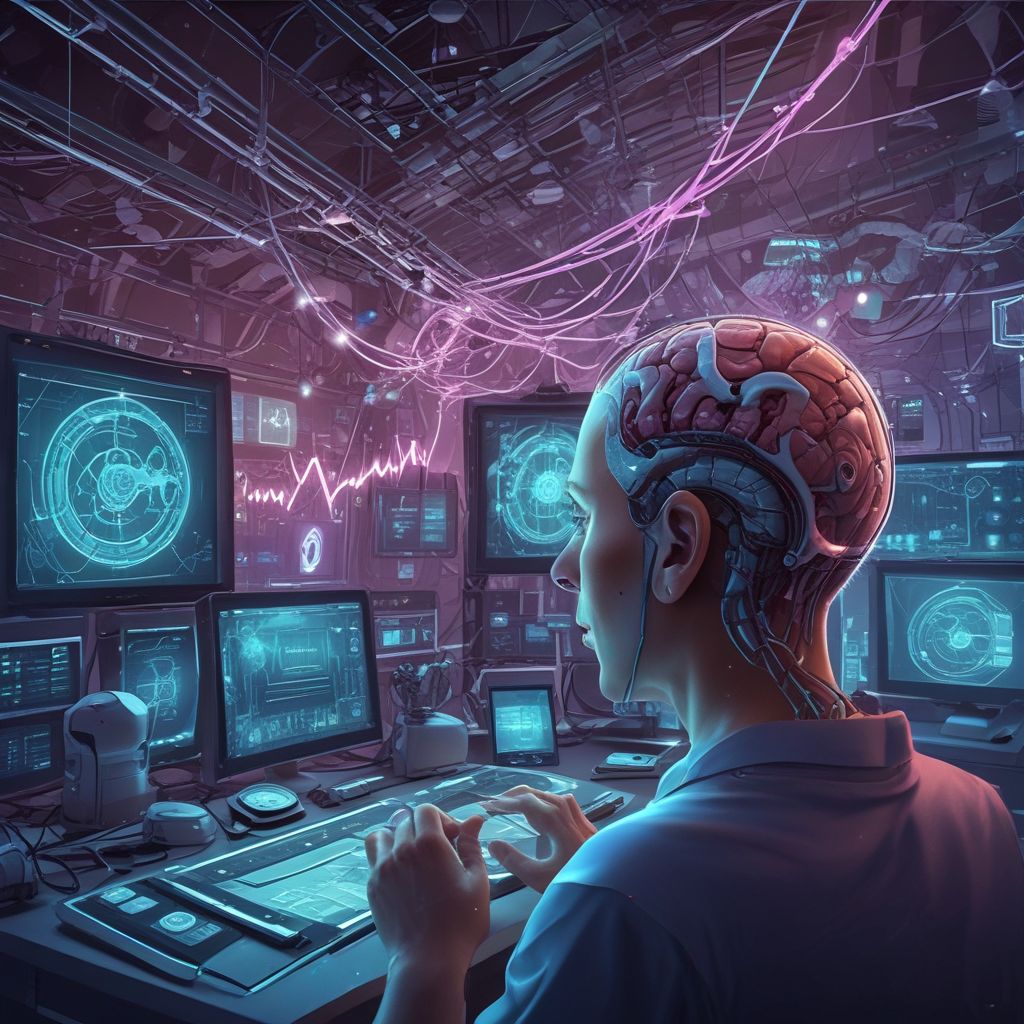
Digital Twin Models for Personalized Oncology: AI Simulates Chemotherapy Outcomes to Optimize Treatment Plans
In the rapidly evolving landscape of cancer care, digital twin models for personalized oncology have emerged as a transformative technology. By creating a virtual replica of a patient’s tumor and surrounding biology, these AI-driven simulations can forecast how a specific chemotherapy regimen will perform—predicting tumor shrinkage, resistance mechanisms, and even the likelihood of adverse side effects—before a single dose is administered. This level of foresight empowers oncologists to tailor treatment plans, minimize toxicity, and ultimately improve survival outcomes.
What Are Digital Twin Models in Oncology?
A digital twin is a dynamic, data‑rich virtual representation of a real-world entity. In oncology, it encapsulates a patient’s genomic profile, imaging studies, blood biomarkers, and clinical history. The twin is continuously updated with real‑time data, allowing it to evolve alongside the patient’s disease. AI algorithms then interrogate this model, running countless “what‑if” scenarios to predict how different therapeutic options will play out.
Building a Patient‑Specific Digital Twin
Data Sources
Creating an accurate twin requires a diverse set of inputs:
- Imaging – MRI, CT, PET scans that delineate tumor volume and metabolic activity.
- Genomics – Whole‑exome or targeted sequencing to capture driver mutations and expression signatures.
- Histopathology – Digital slide analysis for tumor grade, mitotic index, and microenvironment composition.
- Proteomics and Metabolomics – Liquid biopsy data revealing circulating tumor DNA and metabolic flux.
- Clinical Metadata – Prior treatments, comorbidities, performance status, and patient‑reported outcomes.
Machine Learning Integration
Once data are aggregated, machine learning pipelines perform feature extraction, dimensionality reduction, and model training. Techniques such as graph neural networks (for spatial relationships in imaging) and transformers (for sequence data) enable the twin to capture complex, nonlinear interactions between tumor biology and host factors. The twin’s predictive engine is then calibrated against historical outcomes to ensure that simulated responses align with real-world evidence.
Simulating Chemotherapy: Predicting Tumor Response
Tumor Growth Models
Mathematical frameworks—often based on partial differential equations—describe how tumor cells proliferate, migrate, and die. These models incorporate patient‑specific growth rates derived from serial imaging, allowing the twin to forecast tumor burden under various dosing schedules. By simulating both the tumor and its vasculature, the model can predict how drug delivery will vary across different tumor regions.
Drug Pharmacodynamics
Chemotherapeutic agents have well‑characterized mechanisms of action. The twin integrates drug pharmacokinetics (absorption, distribution, metabolism, excretion) with pharmacodynamics (target engagement, cell‑cycle arrest, apoptosis induction). This dual-layered approach enables the virtual patient to generate realistic dose–response curves, highlighting the point of maximal therapeutic benefit while staying below toxicity thresholds.
Anticipating Side Effects: A Proactive Approach
Toxicity Prediction
Side effect profiles vary dramatically across patients, driven by genetics, age, organ function, and concomitant medications. The digital twin uses a side‑effect risk model that weights each factor, generating a probability score for events such as neutropenia, cardiotoxicity, or neuropathy. By overlaying this risk with the tumor response simulation, clinicians can weigh the expected benefit against potential harm in real time.
Personalizing Dose Adjustments
Armed with a dual forecast—tumor shrinkage versus toxicity risk—the twin recommends an individualized dosing regimen. For instance, if a patient shows a high risk of cardiotoxicity but a robust predicted tumor response, the model might suggest a slightly lower dose of anthracyclines combined with a cardioprotective agent. Such nuanced adjustments are difficult to achieve with standard dosing guidelines, which often rely on body surface area alone.
Clinical Integration: From Bench to Bedside
Workflow Adaptations
Incorporating digital twins into routine oncology care requires minimal disruption. The platform can be embedded within the electronic health record, automatically pulling in new imaging and lab results. Oncologists receive a concise, patient‑specific dashboard that summarizes predicted outcomes and dose recommendations, allowing them to discuss options during multidisciplinary tumor board meetings.
Regulatory and Ethical Considerations
Because digital twins influence treatment decisions, they fall under the purview of medical device regulations. Ensuring transparency in the algorithm’s logic, maintaining rigorous validation studies, and securing patient consent for data use are essential. Ethical frameworks must also address equity—ensuring that underrepresented populations have sufficient data for accurate twin construction, thereby avoiding algorithmic bias.
Future Horizons: Beyond Chemotherapy
Radiation, Immunotherapy, and Combination Therapies
While chemotherapy is a cornerstone of cancer treatment, digital twins are equally applicable to radiation planning, checkpoint inhibitor dosing, and targeted therapies. By simulating how a tumor responds to radiation dose distributions or to combination regimens that include immunotherapy, the twin can identify synergistic schedules that maximize efficacy and minimize overlap of toxicities.
Real‑Time Adaptive Treatment
As wearable devices and home‑based diagnostics become commonplace, digital twins can ingest continuous data—heart rate variability, blood glucose, oxygen saturation—to refine predictions between clinic visits. This real‑time feedback loop allows clinicians to adjust therapy on the fly, potentially preventing severe adverse events before they manifest.
In summary, digital twin models for personalized oncology represent a leap toward truly individualized cancer care. By integrating comprehensive patient data, advanced AI, and robust mathematical modeling, these virtual replicas simulate chemotherapy outcomes with unprecedented precision. The result is a treatment paradigm where dosage, scheduling, and supportive care are tuned to each patient’s unique biology, reducing toxicity and improving clinical outcomes.
Embrace the future of oncology—let digital twins guide your next treatment decision.