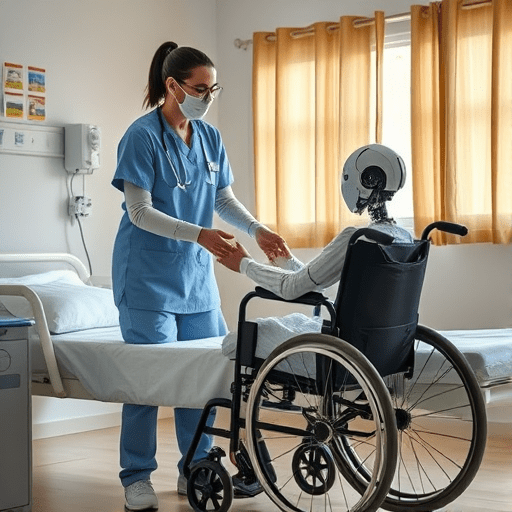
In 2026, rural clinics worldwide face a persistent challenge: transferring patients safely and efficiently from beds to wheelchairs or transport carts. Deploying mobile robots for automated bed transfer can dramatically reduce physical strain on staff, lower the risk of musculoskeletal injuries, and free up human resources for critical care tasks. This guide walks you through a practical, low‑budget implementation plan that takes into account the unique constraints of rural healthcare environments, including limited electricity, sparse broadband, and modest technical expertise.
1. Assess the Clinical Landscape
1.1. Identify Transfer Pain Points
Begin by documenting current transfer workflows. Observe how nurses lift patients, the frequency of transfers per day, and any incidents of injury or equipment breakdown. Quantify the time spent on each transfer and the associated human effort. This data establishes a baseline against which robot performance can be measured.
1.2. Map the Physical Environment
Rural clinics often have narrow corridors, uneven flooring, and limited storage. Create a detailed floor plan noting:
- Bed-to‑wheelchair distances
- Obstructions (e.g., equipment carts, signage)
- Floor surface types (concrete, tile, worn carpet)
- Available power outlets and battery charging points
Understanding these constraints will inform robot selection and path‑planning strategies.
1.3. Gather Stakeholder Input
Include nurses, aides, administrators, and patients in the conversation. Capture their concerns—safety, privacy, cost—and their ideas for robot features (e.g., adjustable weight capacity, audible alerts). A participatory design approach increases buy‑in and surfaces practical requirements early.
2. Choose the Right Robot Platform
2.1. Core Functional Requirements
For a rural clinic, the robot should meet these minimal criteria:
- Weight capacity ≥ 120 kg (including patient and support equipment)
- Battery life ≥ 4 hours on continuous operation
- Obstacle‑avoidance sensors (LIDAR or ultrasonic) and low‑floor navigation
- Manual override controls (remote or on‑board joystick)
- Compliance with local health‑safety standards (e.g., ISO 13482 for personal care robots)
2.2. Budget‑Friendly Vendors
Several open‑source and low‑cost platforms are well‑suited for 2026 rural clinics:
- OpenMove – an Arduino‑based mobile base with a modular payload system, available for under $1,200.
- HapticCare Bot – a pre‑built transfer robot with integrated patient‑sensing, priced at $3,500 with a 2‑year warranty.
- Custom assembly using Adafruit and SparkFun components, estimated at $2,000.
For those with limited technical staff, HapticCare Bot offers the shortest setup time; for the most budget‑conscious sites, the OpenMove platform combined with community‑supported software is ideal.
2.3. Compatibility with Existing IT Infrastructure
Rural clinics may lack robust Wi‑Fi. Prefer robots that support 2.4 GHz connectivity or Bluetooth Low Energy (BLE). If connectivity is unreliable, local control via a handheld tablet or bedside interface can be sufficient.
3. Secure Power and Charging Strategy
3.1. Battery Management
Install a dedicated charging station near the bed room. Use a DC‑DC converter to regulate the clinic’s mains supply to a safe 12 V charging voltage. Label the charging area clearly and restrict access to authorized staff only.
3.2. Solar Backup (Optional)
In off‑grid settings, a small 200 W solar panel coupled with a 12 V battery bank can maintain robot readiness. Position panels on available roof space and connect via a charge controller to the robot’s charger. This investment yields independence from the local power grid.
4. Implement Software and Safety Protocols
4.1. Navigation Software
Use an open‑source ROS (Robot Operating System) stack tailored for indoor navigation. The amcl (adaptive Monte Carlo localization) package, combined with move_base, provides reliable path planning even in cluttered rooms.
4.2. Human‑Robot Interaction (HRI) Guidelines
Program the robot to pause and emit a low‑volume beep when it detects a human body within 0.5 m. Include a manual stop button on the robot’s front panel. Staff should be trained to use the joystick to guide the robot in tight spaces.
4.4. Data Logging and Audit Trails
Record each transfer attempt in a simple CSV log: timestamp, patient ID (anonymized), start and end location, battery level, and any manual interventions. Review logs monthly to identify patterns that may indicate mechanical or procedural issues.
4.5. Emergency Protocols
Define a clear procedure for robot failure. If the robot stops unexpectedly, staff should immediately use the manual override and proceed with a traditional transfer. After each incident, log the event and conduct a root‑cause analysis.
5. Train Staff and Conduct Dry Runs
5.1. Training Modules
Create a modular training curriculum covering:
- Robot hardware overview
- Operational commands and safety checks
- Emergency stop procedures
- Basic troubleshooting (e.g., re‑calibrating sensors)
5.2. Simulation Sessions
Before live deployment, run simulated transfers using a dummy patient or a weighted mannequin. This allows staff to become comfortable with the robot’s timing and handling characteristics without risking patient safety.
5.3. Certification and Competency Checks
Issue a short competency assessment after training. Staff must demonstrate proficiency in starting, guiding, and stopping the robot, as well as responding to a simulated fault.
6. Pilot Implementation and Feedback Loop
6.1. Start Small
Deploy a single robot in one ward for a 30‑day pilot. Track key performance indicators (KPIs):
- Transfer time reduction (minutes saved per patient)
- Incidence of staff injuries (before vs. after)
- Robot uptime percentage
6.2. Collect Qualitative Feedback
Hold weekly debriefs with nurses and aides to gather anecdotal insights. Use a simple Likert scale survey to quantify satisfaction levels.
6.3. Iterate Based on Findings
Common adjustments may include:
- Re‑tuning sensor thresholds to avoid false obstacles
- Adjusting the robot’s path‑planning to accommodate recently added equipment
- Improving charging station placement to reduce downtime
6.4. Expand Gradually
Once the pilot demonstrates clear benefits, plan to scale to other wards or clinics. Maintain a modular inventory of spare parts (wheels, batteries, sensors) to support rapid roll‑out.
7. Maintenance and Sustainability Plan
7.1. Routine Checklists
Develop a weekly maintenance checklist:
- Clean sensors and wheels
- Inspect battery health (voltage drop, swelling)
- Check for firmware updates
- Verify manual override functionality
7.2. Establish a Local Support Hub
Partner with a nearby university robotics lab or a tech cooperative to provide periodic system audits. This partnership can offer expertise in troubleshooting and component replacement without incurring high travel costs.
7.3. Cost‑Management Strategies
Leverage bulk procurement for consumables (e.g., batteries) and negotiate a 3‑year warranty extension. Consider a simple “robot‑sharing” model where clinics share a single robot during off‑peak hours, reducing per‑clinic costs.
8. Measuring Impact Beyond the Clinic
8.1. Patient Experience Metrics
Use patient satisfaction surveys to assess perceived comfort and dignity during transfers. Compare response rates before and after robot deployment.
8.2. Workforce Health Outcomes
Track occupational injury claims and absenteeism related to musculoskeletal strain. A reduction in such metrics indicates a successful intervention.
8.3. Health System Efficiency
Analyze bed turnover times and overall patient throughput. A smoother transfer process can lead to higher occupancy rates and improved revenue streams.
9. Future‑Proofing the Deployment
9.1. Integration with Electronic Health Records (EHR)
Although most rural clinics use paper charts, a lightweight QR‑code system can link the robot’s log to patient records. Future EHR upgrades can then automatically import transfer data.
9.2. Scaling to Other Functions
Once the bed‑transfer robot is operational, the same platform can be repurposed for tasks such as delivering medication carts, fetching supplies, or even basic patient monitoring when equipped with additional sensors.
10. Conclusion
Deploying mobile robots for automated bed transfer in rural clinics is not a futuristic dream—it is an attainable reality for 2026, even with limited resources. By carefully assessing clinical needs, selecting a suitable low‑cost platform, ensuring reliable power, training staff, piloting, and establishing sustainable maintenance practices, rural healthcare providers can dramatically improve patient safety, reduce staff injuries, and free valuable human resources for higher‑value care. The systematic, step‑by‑step approach outlined above provides a practical roadmap that balances technical feasibility with local constraints, ensuring that the benefits of robotic assistance reach the communities that need them most.