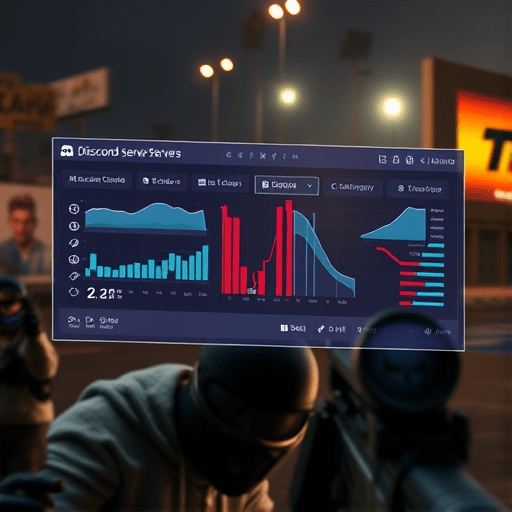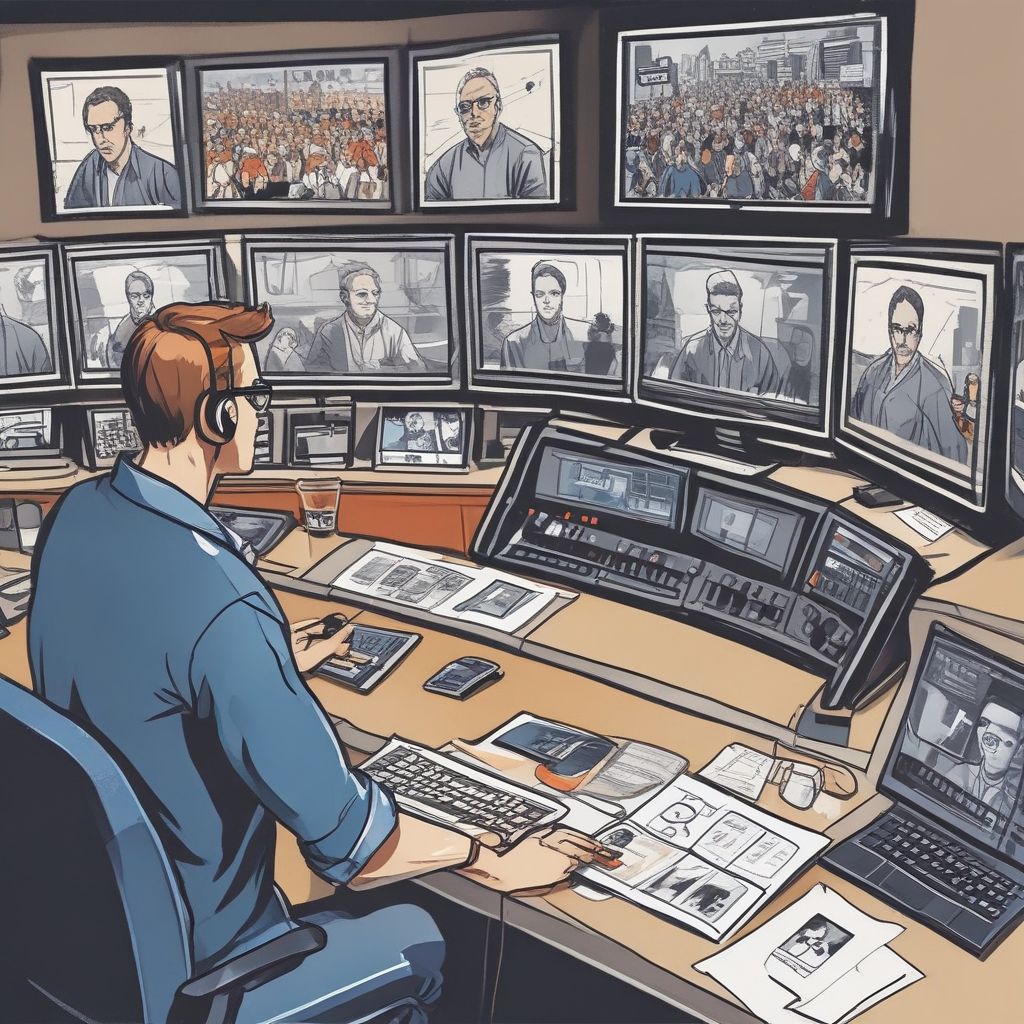
Coach Streams—live broadcasts in which professional coaches share real-time strategy calls and analysis—are rapidly reshaping the relationship between teams, players, and audiences. As this trend grows, Coach Streams deliver powerful viewer training opportunities while raising complex questions about competitive integrity, platform responsibilities, and ethical boundaries.
What are Coach Streams and why they matter
Coach Streams are distinct from player or caster streams: instead of showcasing player POV or polished commentary, they broadcast a coach’s live decision-making, strategic voice communications, and candid adjustments during scrims, VOD reviews, or even sanctioned matches. They matter because they expose the hidden layer of high-level play—the gestures, cues, and real-time heuristics coaches use to influence outcomes—and convert tacit knowledge into teachable content.
Benefits for pro play and viewer training
When managed responsibly, Coach Streams can accelerate learning across the ecosystem. Key benefits include:
- High-fidelity learning. Viewers witness raw problem-solving: draft choices, risk assessment, mid-round adaptations, and how coaches communicate under pressure.
- Skill transfer and education. Recreational players and aspiring pros can adopt frameworks and mental models—map control, tempo management, resource allocation—that are otherwise invisible.
- Transparency and community engagement. Fans gain a deeper appreciation for the craft of coaching, increasing engagement, loyalty, and sponsorship value.
- Coaching benchmarks. Teams can compare methodologies publicly, raising the bar across regions and creating new formalized curricula for coaching certification.
Ethical and competitive integrity concerns
Coach Streams introduce tensions between openness and fairness. The most pressing concerns are:
- Strategy leakage: Broadcasting live strategy could reveal unique playbooks or counter-strategies that opponents might exploit.
- Real-time advantage: If coaches communicate with active players while streaming (even indirectly), it can create illicit in-match influence.
- Collusion and scouting abuse: Opponents or unaffiliated third parties might watch streams in real time to scout tactics for immediate use.
- Regulatory gray zones: Tournament rules, NDAs, and broadcast rights often don’t anticipate minute-by-minute coaching disclosures, creating enforcement gaps.
- Viewer manipulability: Public streams can be targeted for misinformation or to trigger opponents if timestamps and overlays reveal intentions.
Platform tools enabling and policing Coach Streams
Streaming platforms and tournament operators are developing—and must continue to evolve—technical and policy tools to balance openness with integrity.
Enabling tools
- Delayed streams: Applying a configurable delay (e.g., 1–5 minutes) to public broadcasts prevents real-time scouting while preserving the educational value.
- Private scrim channels: Token-gated or subscriber-only streams allow teams to monetize content while restricting access to trusted audiences.
- Multi-track audio controls: Separating coach comms from general audio lets platforms mute sensitive channels when required by tournament rules.
- Replay and highlight features: VOD indexing with timestamps enables post-game analysis without exposing strategic minutiae during live windows.
Policing tools
- Automated detection: Machine-learning systems can flag suspicious overlaps between live streams and match outcomes, or detect forbidden data overlays.
- Access auditing: Robust logs show who viewed which streams and when—essential when investigating potential leaks.
- Content watermarking: Visible or forensic watermarks can trace leaks back to source accounts if proprietary content is shared without permission.
- Policy gates in SDKs: Game publishers can include API hooks that prevent streams from exposing minimap or opponent-specific telemetry during competitive events.
Best practices for coaches, teams, and platforms
A practical framework helps stakeholders capture the benefits while reducing risks. Recommended practices:
- Define clear windows: Separate content types—public education streams, private scrims, and tournament coaching—each with explicit access and delay rules.
- Use layered access: Publish general strategic lessons widely, reserve playbook specifics for gated audiences or post-match VODs after debrief windows.
- Coordinate with organizers: Align streaming schedules with tournament rules and obtain pre-clearance for any live content produced during competition periods.
- Train coaches on compliance: Include confidentiality protocols in coaching contracts; require simple checklist behaviors (e.g., pause streaming during sensitive moments).
- Leverage platform tooling: Employ stream delays, multi-track audio, and watermarking; use access logs to support transparent governance and dispute resolution.
Balancing transparency and competition: practical scenarios
Imagine a coach streaming a post-scrim debrief that includes a new execution for a competitive map. Best practice would be to record the session, release the VOD after a defined embargo (24–72 hours), and keep the live feed restricted to team subscribers or organizations bound by non-disclosure. Conversely, if a coach is producing a “how we think” series for broader education, a delayed public stream with sanitized overlays keeps fans engaged while minimizing leakage risk.
Policy outlook and the role of governance
Competitive organizers, publishers, and platforms need interoperable policies that clarify what is allowed in coach-produced content. Standardized clauses—embargo lengths, permitted metadata, and enforcement mechanisms—will reduce ambiguity. Independent arbitration panels and shared telemetry standards could be long-term solutions to adjudicate disputes arising from alleged stream-enabled advantages.
Opportunities for innovation
Coach Streams also present fertile ground for product innovation: subscription-based micro-mentoring, AI-summarized coaching clips, and interactive overlay tools that let viewers toggle between “educational” and “competitive-safe” modes. Platforms that build privacy-preserving analytics—showing engagement without exposing playbook details—will create win-win outcomes for creators and competitive stakeholders.
Coach Streams are not a fad; they are a cultural and technological shift in how expertise is transmitted in esports. With thoughtful policy, sensible tooling, and responsible creators, live tactical broadcasting can strengthen the competitive scene while providing unprecedented learning opportunities.
Conclusion: Coach Streams offer a compelling way to democratize high-level coaching knowledge and elevate viewer training, but they require clear ethical guardrails and platform features—like delays, gated access, and auditing—to protect competitive integrity. Ready to make Coach Streams work for your team or platform? Learn the tools and policies that keep teaching and fair play aligned.
Call to action: Subscribe for a free checklist on implementing secure Coach Streams and protecting your team’s competitive edge.