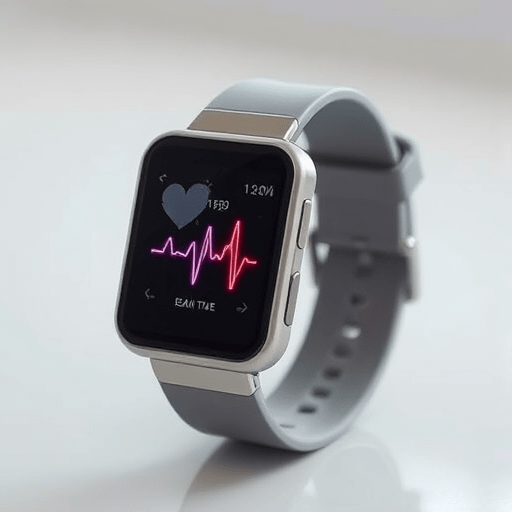
Closed-loop digital therapeutics are transforming chronic pain care by using real-time biosensor data, adaptive algorithms, and targeted neurostimulation to personalize therapy delivery and improve outcomes. As chronic pain affects tens of millions worldwide, this convergence of sensing, software-driven adaptations, and neuromodulation offers a new, data-driven pathway to reduce symptoms, limit side effects, and move treatment from episodic to continuous, patient-centered care.
What are closed-loop digital therapeutics?
At their core, closed-loop digital therapeutics (DTx) are systems that sense physiological signals, interpret them with algorithms, and then automatically adjust therapeutic actions—creating a feedback loop. Unlike open-loop devices that deliver fixed interventions, closed-loop DTx respond to a patient’s moment-to-moment state (e.g., muscle tension, heart rate variability, cortical signatures) and adapt stimulation, behavioral prompts, or digital coaching in real time.
Key components
- Biosensors: Wearables and implantables that measure biomarkers such as EMG, ECG, skin conductance, or brain activity.
- Adaptive algorithms: Machine learning models that detect pain flares or physiological signatures and predict response patterns.
- Therapeutic actuators: Neurostimulation (TENS, transcranial magnetic or electrical stimulation), haptic feedback, or personalized digital interventions.
- Cloud and edge infrastructure: For model updates, analytics, and clinician dashboards while preserving latency-sensitive decisions on-device.
How biosensor-driven feedback personalizes therapy
Real-time biosensors supply the closed-loop system with high-frequency data that capture subtle changes preceding pain escalation. Adaptive algorithms translate these signals into actionable decisions: increase stimulation amplitude for a detected flare, deliver a guided breathing exercise when autonomic markers spike, or reduce stimulation during restful sleep to conserve battery and reduce habituation.
Examples of personalization in practice
- Predictive flare mitigation: Continuous EMG trends trigger anticipatory neuromodulation, reducing peak pain intensity.
- Context-aware therapy: Activity and sleep sensors adjust dosing so daytime function improves while sleep architecture is preserved.
- Progressive learning: Algorithms refine individual response models over weeks, enabling progressively finer-grained therapy choices.
Clinical outcomes and evidence so far
Emerging clinical studies and pilot programs report promising signals: reduced pain scores, improved functional measures, and lower opioid use in cohorts using biosensor-driven DTx. Importantly, closed-loop approaches tend to deliver more consistent benefit across heterogeneous patient populations because they tailor intervention timing and dose.
Measuring success beyond pain scores
Clinical trials for closed-loop DTx increasingly emphasize multi-dimensional endpoints:
- Activity and mobility metrics (step counts, gait quality)
- Sleep quality and circadian patterns
- Medication usage and healthcare utilization
- Patient-reported outcomes and quality-of-life scales
Regulatory pathways and practical hurdles
Closed-loop DTx sit at the intersection of medical devices, software-as-a-medical-device (SaMD), and combination products, which complicates regulatory strategies. Regulators are evolving frameworks to evaluate algorithm performance, continuous learning systems, and safety guarantees for automated therapeutic decisions.
Regulatory considerations
- Algorithm transparency: Demonstrating robustness, drift detection, and fail-safe behaviors for adaptive models.
- Clinical validation: Designing trials that capture real-world, continuous use rather than short on/off testing paradigms.
- Post-market monitoring: Continuous surveillance for safety signals as algorithms update or patient populations expand.
Operational and ethical challenges
Deploying closed-loop DTx also raises practical concerns:
- Privacy & consent: High-resolution biosensor data are sensitive—secure storage, granular consent, and transparency are essential.
- Interoperability: Ensuring DTx can integrate with EMRs, clinician workflows, and other devices without fragmentation.
- Equity: Avoiding algorithmic bias and ensuring access for populations with limited digital literacy or resources.
Real-world deployment: design lessons
Successful implementations prioritize human factors as much as algorithmic performance. Patients must feel control and trust: clear feedback loops, simple override mechanisms, and clinician oversight improve adoption and safety.
Design best practices
- Co-design with patients and clinicians to align alerts and interventions with daily life.
- Hybrid control models that allow clinicians to set policy boundaries while adaptive systems fine-tune within safe ranges.
- Edge-first processing for low latency decisions and privacy-preserving summaries to the cloud.
What the future looks like
Over the next five years, closed-loop digital therapeutics will increasingly combine multimodal sensors (brain, autonomic, movement), federated learning to protect privacy, and regulatory pathways that permit controlled continuous learning. As evidence accumulates, payers are likely to consider reimbursement tied to demonstrable improvements in function and reductions in downstream costs like hospital visits and opioid prescriptions.
Opportunities for clinicians and innovators
- Clinicians: adopt outcome-based approaches and learn to interpret continuous data dashboards to guide shared decisions.
- Innovators: focus on explainable models, robust safety layers, and seamless clinical integration to accelerate adoption.
- Policymakers: craft guidance that balances patient safety with innovation for adaptive medical software.
Closed-loop digital therapeutics represent a paradigm shift in chronic pain care by turning passive devices into intelligent, learning partners that deliver the right intervention at the right time. When combined with thoughtful clinical pathways and robust regulatory guardrails, these systems can reduce suffering, restore function, and reframe how chronic pain is managed.
Ready to learn how closed-loop digital therapeutics could transform pain management in your practice or product roadmap? Contact our team for a briefing and case review.