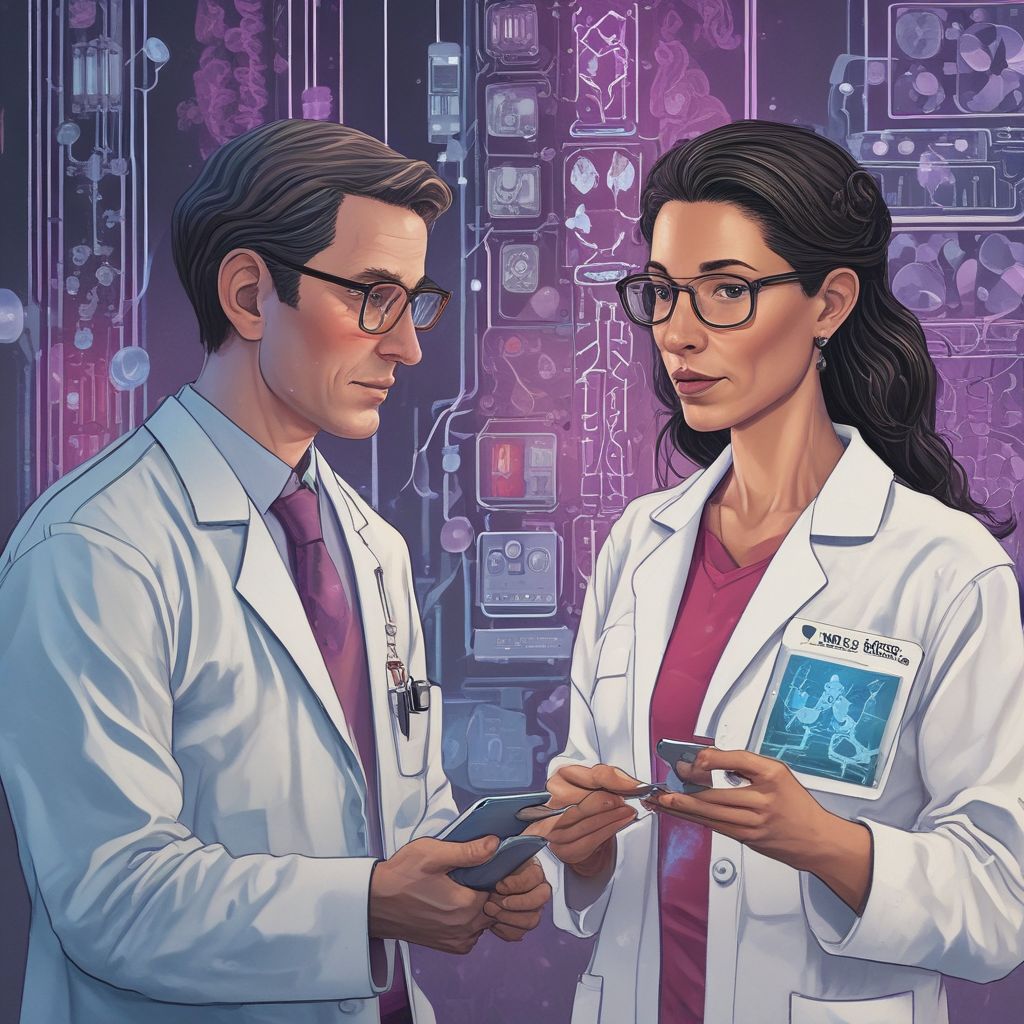
Clinical digital twins predict drug response by creating a dynamic, virtual model of an individual patient that integrates genomics, microbiome profiles, wearable data and electronic health records (EHRs). This emerging approach lets clinicians and researchers run virtual experiments on a simulated patient before prescribing the first physical dose, helping select safer, individualized medications and optimal dosing regimens tailored to each person’s biology and lifestyle.
What is a clinical digital twin?
A clinical digital twin is a high-fidelity computational replica of a real person built from multimodal data and powered by machine learning and mechanistic models. Unlike static risk scores, digital twins are designed to evolve as more data arrives—reflecting medication effects, lab changes, symptoms, and lifestyle signals captured by wearables. When used to predict drug response, they can simulate pharmacokinetics (PK), pharmacodynamics (PD), immune responses and potential adverse events under different therapeutic scenarios.
How the components work together
Genomics and pharmacogenomics
Genetic variants in drug-metabolizing enzymes, transporters and targets strongly influence efficacy and toxicity. Incorporating whole-genome or targeted pharmacogenomic data enables a twin to simulate how a drug is absorbed, metabolized and interacts with molecular targets in that individual.
Microbiome
The gut microbiome modifies many drugs directly and indirectly—altering bioavailability, producing metabolites, or modulating immune responses. A twin that models personalized microbiome composition can predict microbial drug transformations and downstream effects on efficacy or side effects.
Wearables and continuous physiology
Wearables provide continuous heart rate, activity, sleep, temperature and sometimes ECG or glucose metrics. These longitudinal signals let a twin model daily variability, circadian pharmacology, and stress-related changes that affect drug action and optimal dosing times.
Electronic health records (EHRs)
EHR data supplies clinical history, comorbidities, lab results, previous medication responses and clinician notes. Structured and unstructured EHR inputs ground the twin in a patient’s real-world context—critical for safety checks and interaction modeling.
What happens during a virtual therapy test?
When a clinician or researcher “runs” a therapy on a digital twin, the platform simulates multiple scenarios in parallel: different drugs, doses, schedules, combination therapies, and monitoring strategies. The twin predicts likely outcomes—therapeutic benefit, time to response, and probabilities of specific adverse events—allowing informed selection of the safest and most effective plan before exposing the real patient.
- Scenario generation: enumerate candidate drugs, doses, routes, and timing.
- Mechanistic + AI simulation: combine PK/PD models with machine learning trained on population data and personalized inputs.
- Risk scoring: compute probabilities of efficacy and side effects, highlighting patient-specific vulnerabilities.
- Optimization: recommend dose adjustments or alternative therapies to maximize benefit and minimize harm.
Clinical benefits and practical use cases
Digital twins have multiple use cases that can transform care delivery and drug development:
- Personalized dosing: refine initial dose or titration schedule for narrow therapeutic index drugs (e.g., anticoagulants, immunosuppressants).
- Adverse event avoidance: pre-screen for likely toxicities or harmful interactions based on combined genomics and medication history.
- Accelerated trials: run virtual cohorts for hypothesis generation and to de-risk first-in-human studies.
- Chronic disease management: simulate long-term outcomes of therapy changes in complex multimorbid patients.
Validation, regulation and clinical adoption
For digital twins to be trusted in clinical practice, models must be validated against real-world outcomes and explainable enough for clinicians and regulators. Validation strategies include retrospective back-testing, prospective concordance studies, and hybrid trials where twin-guided decisions are compared to standard care. Regulatory bodies increasingly expect transparent model governance, bias assessments, and clear documentation of data provenance.
Challenges and ethical considerations
Several hurdles must be overcome to scale safe, equitable digital twin deployment:
- Data integration: harmonizing multi-source data (genomic files, microbiome sequencing, wearable streams, and disparate EHRs) is technically complex.
- Privacy and consent: twins require long-term, sensitive data—robust consent models and secure architectures are essential.
- Bias and representativeness: models trained on narrow populations can mispredict for underrepresented groups, risking harm.
- Interpretability: clinicians need clear, actionable explanations for why a twin favors one therapy over another.
Best practices for clinicians and health systems
To adopt digital twins responsibly, health systems should:
- Start with pilot programs on well-defined use cases (e.g., dosing for a single drug class).
- Use multimodal validation—technical, clinical, and ethical—and publish results transparently.
- Ensure cross-disciplinary teams (clinicians, data scientists, ethicists) guide deployment and monitor outcomes.
- Prioritize patient consent, data minimization and explainability to maintain trust.
Looking ahead: what to expect in the next five years
As sequencing costs fall, wearable sensors proliferate, and federated learning promotes privacy-preserving model training, clinical digital twins will become more granular and widely available. Expect integration into specialty clinics for personalized medication selection, companion diagnostics for complex therapies, and regulatory pathways that recognize virtual evidence as part of approval strategies.
Ultimately, when clinical digital twins predict drug response accurately and transparently, they can help clinicians choose safer, more effective medication and dosing before the first prescription—reducing trial-and-error prescribing and improving patient outcomes.
Conclusion: Clinical digital twins that combine genomics, microbiome data, wearables and EHRs can transform personalized pharmacotherapy by enabling virtual testing of drugs and doses to pick safer, individualized options prior to treatment. Implementing them requires careful validation, strong data governance, and cross-disciplinary collaboration—but the potential to reduce adverse events and accelerate precision medicine is profound.
Ready to explore whether a clinical digital twin can help your patients? Contact your precision medicine team to discuss a pilot study today.