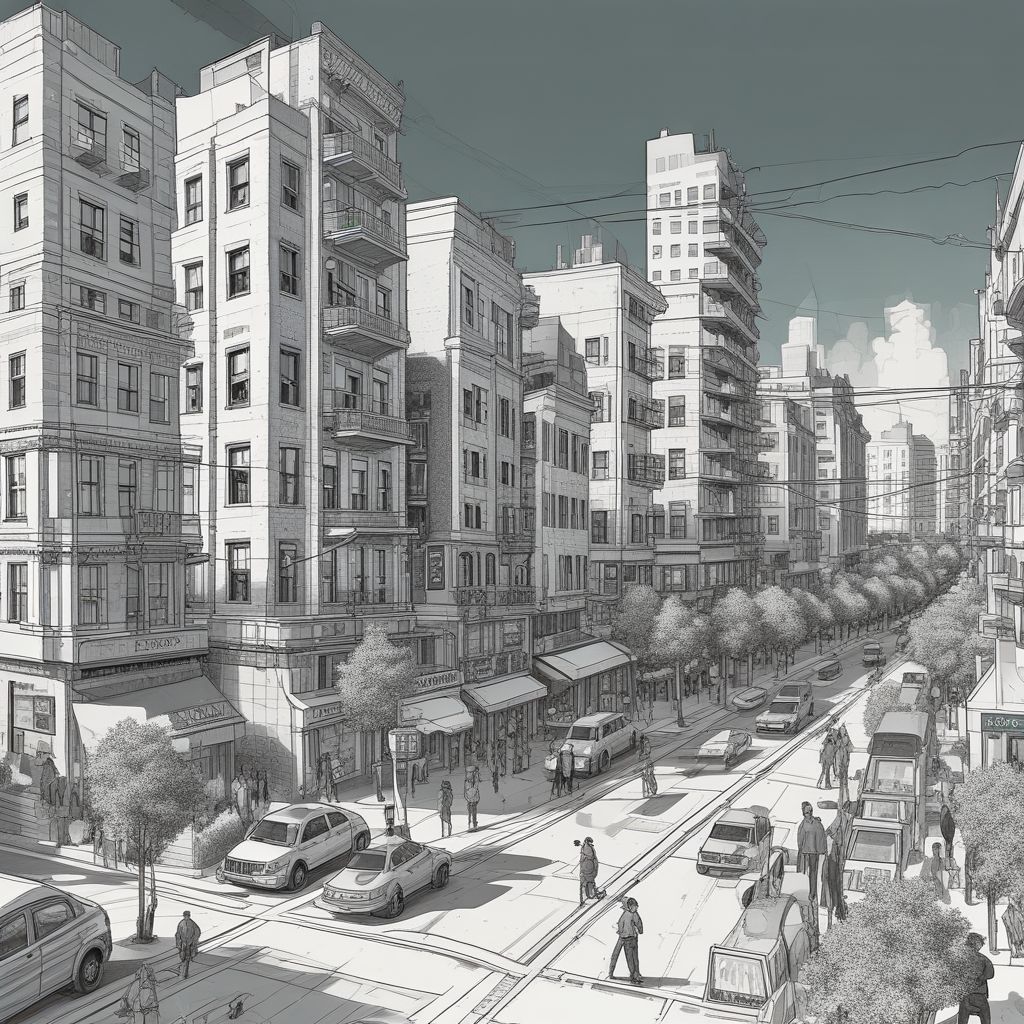
Citizen Meshes are community-driven, privacy-first IoT networks that let neighborhoods reclaim urban data from Big Tech and use it to power local services — this article explains how to build, govern, and monetize a decentralized sensor system that serves residents first. By combining low-cost sensors, edge computing, open protocols, and cooperative governance, communities can create resilient smart-city services that respect privacy while generating local value.
Why Citizen Meshes Matter
Traditional smart-city projects often funnel sensor data into centralized platforms controlled by corporations or city vendors, creating privacy risks and locking communities into opaque monetization models. Citizen Meshes flip that script: data is collected, processed at the edge, and shared under community rules so benefits — from traffic smoothing to air-quality alerts — stay local. Beyond privacy, meshes increase resilience (no single point of failure), lower costs, and encourage neighborhood innovation.
Core Principles of a Community-Owned IoT Network
- Privacy-first design: collect the minimum data needed, anonymize where possible, and keep raw data on devices or local gateways.
- Open interoperability: use open protocols (LoRaWAN, MQTT, Thread) and standard data schemas to avoid vendor lock-in.
- Edge processing: perform aggregation, filtering, and analytics on local gateways to reduce data flows and latency.
- Democratic governance: community control over who accesses data, how it’s used, and how revenue is shared.
- Financial sustainability: clear models for funding, maintenance, and revenue that prioritize community benefits.
Step-by-Step: How to Build a Citizen Mesh
1. Form a Local Working Group
Start with residents, local businesses, nonprofits, and sympathetic municipal staff. Define clear goals: public health monitoring, safe streets, local mobility data, or microclimate mapping. Early stakeholder buy-in reduces friction later.
2. Pilot with a Small, Focused Use Case
Choose one measurable problem — e.g., noise and air-quality hotspots near schools — and deploy a small set of sensors and gateways. Use off-the-shelf, low-power hardware to keep costs manageable and accelerate learning.
3. Design the Network Architecture
- Edge nodes (gateways) for local aggregation and encryption.
- Mesh or LoRaWAN links for low-power sensors.
- Federated cloud or community server for non-sensitive dashboards and backups.
4. Adopt Open Software and Protocols
Select open-source stacks for device management, data ingestion, and visualization (e.g., The Things Network, Home Assistant, Node-RED, InfluxDB + Grafana). Open tooling makes audits, custom features, and future migration straightforward.
5. Iterate and Expand
Use pilot feedback to refine sensor placement, data models, and power/maintenance plans. Expand horizontally (more sensors) and vertically (new services) while keeping governance rules current.
Governing a Citizen Mesh: Models That Work
Governance decides who controls the network and how the data is used. Common, effective approaches:
- Cooperative membership: residents and small businesses buy memberships to fund hardware and operations, with voting rights on policies.
- Nonprofit stewardship: a local nonprofit manages the mesh, transparent budgets, and community accountability.
- Municipal partnership: the city provides seed funding or legal cover while control remains community-led through advisory boards.
- Decentralized autonomous org (DAO): tokenized governance for tech-savvy communities wanting programmable rules — use cautiously with clear legal advice.
Monetization Strategies That Preserve Local Control
Monetization should sustain the mesh without compromising privacy or handing power to Big Tech. Viable options include:
- Subscription services: local businesses pay for premium access to anonymized insights (e.g., foot-traffic analytics) under strict usage contracts.
- Data products for public benefit: packaged datasets for urban planners or nonprofits, sold at cost or under revenue-sharing agreements.
- Smart services: paid neighborhood services like on-demand lighting, parking guidance, or micro-mobility hubs that rely on mesh data.
- Grants and local taxes: municipal grants, community crowdfunding, or small local levies to cover infrastructure costs.
Privacy-First Technical Patterns
- Edge aggregation: compute summaries on gateways; transmit only aggregated metrics.
- Federated analytics: run machine learning models locally and share only model updates (federated learning) instead of raw data.
- Strong encryption and consent: end-to-end encryption for in-transit data and explicit, documented consent for any personally identifiable processing.
- Data minimization & retention policies: store only what’s necessary and delete data automatically after a fixed retention period.
Real-World Inspiration & Mini Case Studies
Several neighborhoods worldwide have shown how small, community-driven networks can work: school districts using low-cost air-quality sensors to open/close windows safely; business improvement districts offering anonymized foot-traffic dashboards to local shops; and resident cooperatives deploying noise sensors to focus traffic-calming measures. Each example shares the same pattern: start small, keep governance local, and prioritize privacy.
Implementation Checklist
- Define objectives and stakeholder roles
- Choose a pilot use case and measurable KPIs
- Select hardware with an upgrade path and open firmware
- Implement edge-first data flows and encryption
- Create transparent governance documents and data-use agreements
- Plan maintenance, funding, and sustainability
Funding, Legal, and Practical Considerations
Check local laws on data ownership, public-space installations, and surveillance. Seek legal counsel when designing revenue-sharing or membership structures, and aim for simple, clear terms of use to build trust. For funding, combine seed grants, membership fees, and service revenues to avoid dependence on a single source.
Citizen Meshes offer neighborhoods a practical path to smart-city benefits without sacrificing privacy or local control; by combining edge-first architecture, open protocols, and cooperative governance, communities can unlock sustainable services and local economic opportunities. Start with a tight pilot, codify community rules, and scale gradually — the city your neighborhood wants can be built one mesh node at a time.
Ready to get your neighborhood’s Citizen Mesh started? Join a local working group or propose a pilot with a clear use case this month.