Remastering a beloved retro title is a balancing act: you want to honor the original’s charm while giving it a fresh, modern sheen that appeals to new players. This step‑by‑step checklist gives designers a clear roadmap, from audience research to post‑release support, ensuring the updated game feels like an evolution rather than a rewrite.
1. Understand the Core Fanbase
Before tweaking sprites or adding new gameplay mechanics, you need a solid grasp of who will play the remaster and what they cherish about the original.
1.1. Conduct Fan Surveys
- Ask about favorite levels, character traits, and soundtrack moments.
- Probe which bugs or limitations bothered them most.
- Identify the “must‑keep” list of features and the “nice‑to‑have” list.
1.2. Analyze Community Discussions
Scan forums, Reddit threads, Discord servers, and fan blogs for recurring themes. Pay attention to:
- Common complaints (e.g., lack of save points).
- Celebrated moments (e.g., a memorable boss battle).
- Desire for modern conveniences (e.g., auto‑save, rewind).
1.3. Create Fan Personas
Translate survey data into personas—e.g., “Nostalgic Ninjas” who value authenticity, “Modern Mavericks” who crave contemporary quality, and “Casual Crusaders” who appreciate accessibility. These personas guide design decisions throughout the remastering pipeline.
2. Preserve the Core Gameplay Loop
Gameplay is the heart of any game. A remaster must retain the loop that made the original a hit.
2.1. Map the Original Flow
Diagram level progression, combat pacing, and reward systems. Identify any “dead‑weight” segments that can be tightened without altering core mechanics.
2.2. Keep Signature Mechanics Intact
Re‑implement pivotal mechanics exactly as they existed—be it a unique control scheme, a physics‑based puzzle element, or a signature attack combo. Even subtle differences can upset long‑time fans.
2.3. Modernize Under the Hood
Update collision detection, AI routines, and rendering pipelines to leverage contemporary engines, but surface them as if they were part of the original design. Use the same control mapping and hitboxes to maintain playfeel.
3. Graphics & Sound: A Dual‑Edge Sword
Visuals and audio are the most noticeable differences. Striking the right balance is key.
3.1. Decide on Resolution Strategy
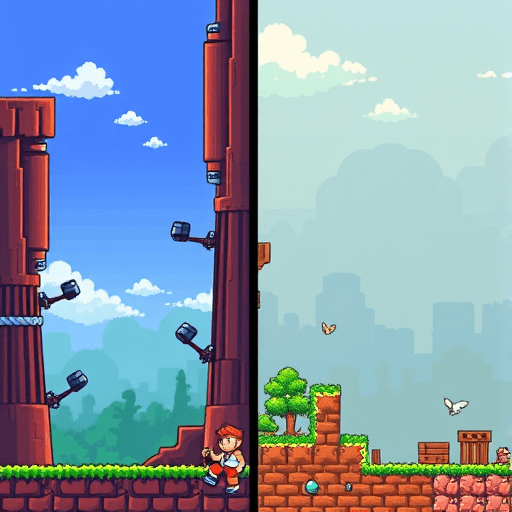
- Option A: Upscaled Pixel Art – use high‑resolution tiles that preserve the original look.
- Option B: Hybrid 2.5D – keep sprite art but add depth with parallax and particle effects.
- Option C: Re‑painted Art – give the game a fresh aesthetic while retaining layout and style cues.
Choose based on genre, target audience, and hardware constraints. Always provide an option to toggle between original and updated visuals for purists.
3.2. Remaster the Soundtrack
Re‑record or remix chiptune tracks using higher fidelity instruments, but keep the melodic structure intact. Offer a “Classic Mode” that plays the original samples in the new soundtrack to honor fans who remember the nostalgic audio.
3.3. Maintain Audio Identity
Re‑create sound effects with modern audio engines while preserving the original waveforms. For example, a jump sound can be slightly louder or clearer but should still feel the same.
4. Quality of Life Improvements (QOL) Without Over‑Polishing
Fans often appreciate modern conveniences, but they should not feel like a “remake.” Implement QOL changes thoughtfully.
4.1. Save System Overhaul
- Auto‑save at key checkpoints.
- Manual save slots mirroring the original number.
- Remember to include “Save on Exit” as a legacy option.
4.2. Accessibility Options
Color‑blind modes, adjustable text sizes, and remappable controls are essential. Ensure these options are available but do not alter core gameplay mechanics.
4.3. Performance Optimizations
Remove frame‑rate drops, fix texture bleeding, and optimize load times. Keep the game running at a consistent 60fps on modern hardware without adding new graphical flourishes that alter the experience.
5. Narrative & Character Consistency
The story and personalities should feel familiar yet polished.
5.1. Preserve Dialogue Tone
Re‑voice or update lines to reflect contemporary speech but keep the original humor and character quirks. Use the same voice actors when possible.
5.2. Expand Side Quests Carefully
Optional content should enhance the experience, not replace the core narrative. Keep side quests brief and aligned with the original story arc.
5.3. Avoid Over‑Expanding the World
Don’t add new regions or mechanics that contradict the original lore. If you must, tie them to the existing story through optional lore notes or in‑game encyclopedias.
6. Testing Across Demographics
Rigorous playtesting ensures the remaster satisfies both old and new players.
6.1. Closed Beta with Core Fans
Invite a representative sample of original players to test the build, collecting feedback on feel, nostalgia triggers, and any unintended changes.
6.2. Playtest with Newcomers
Gather data from players who have never seen the original. Assess accessibility, learning curve, and overall enjoyment.
6.3. Iterate Rapidly
Use agile cycles to fix bugs, adjust difficulty, and refine QOL features based on feedback. Document every change to keep a clear audit trail for future reference.
7. Communication Strategy
Transparency builds trust with the community and mitigates backlash.
7.1. Release a Development Roadmap
Share milestones, feature plans, and known constraints. Regular updates (e.g., weekly dev logs) keep the community engaged.
7.2. Highlight “Preservation” Goals
In marketing materials, emphasize fidelity to the original: “Same levels, same music, new polish.” This frames updates as enhancements, not rewrites.
7.3. Offer a “Legacy Mode”
Allow players to toggle between the remastered experience and the original look‑and‑feel. This demonstrates respect for purists while showcasing the modern polish.
8. Post‑Release Support & Community Building
The remaster’s success depends on long‑term community health.
8.1. Patch Schedule
Address unforeseen issues quickly, but also plan content updates (e.g., extra skins, time‑attack modes) that honor the original’s spirit.
8.2. Mod Support & DLC
Offer an official modding API for fan‑made content, and release DLC that expands on the original lore rather than replacing it.
8.3. Foster Community Events
Run speed‑run competitions, fan art contests, or retro‑style tournaments to keep the community vibrant.
9. Internal Documentation & Knowledge Sharing
Maintain a living document that records every design decision, rationale, and fan feedback point.
9.1. Version Control of Design Docs
Use a Git‑based repository for design files, allowing team members to review changes and revert if necessary.
9.2. Post‑Project Retrospective
After release, conduct a retrospective session to capture lessons learned, particularly around fan expectations and QOL feature impact.
10. Final Checklist Snapshot
1. Fan research & personas completed.
2. Core gameplay loop mapped and preserved.
3. Graphics updated with optional original toggle.
4. Soundtrack remastered, classic mode available.
5. Save system, accessibility, and performance QOL added.
6. Narrative tone and side quests aligned with original.
7. Closed beta with core fans + open test with newcomers.
8. Transparent roadmap and legacy mode announced.
9. Post‑release patch plan and community events scheduled.
10. Design documentation maintained and retrospective held.
With this structured approach, designers can deliver a remaster that feels fresh yet familiar, honoring the original while embracing modern standards.
In summary, the key to a successful remaster is respecting the heart of the original—its core mechanics, visuals, and storytelling—while carefully weaving in modern polish and quality‑of‑life improvements. By systematically engaging fans, preserving essential elements, and communicating transparently, a remastered retro game can thrive among both nostalgic veterans and new audiences alike.