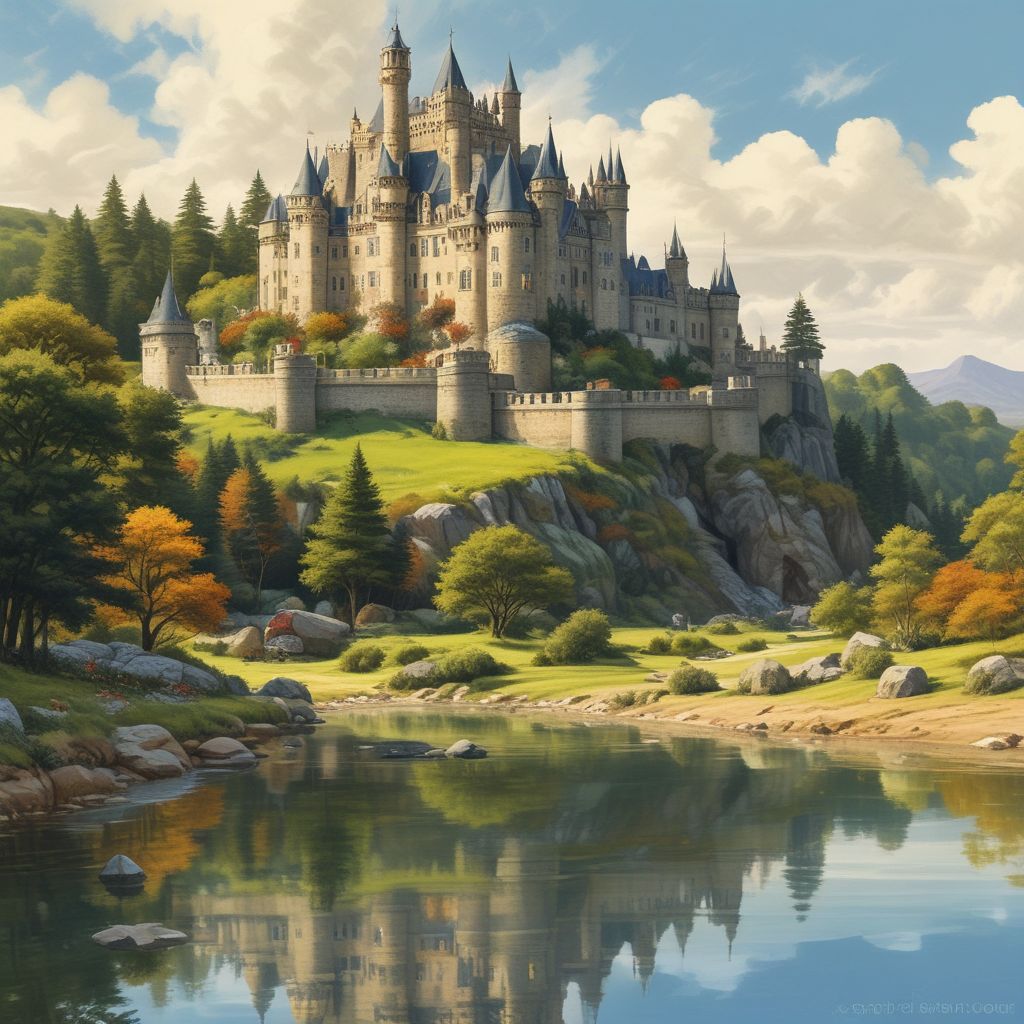
The rise of Carbon-Neutral Castles is redefining luxury travel—offering guests the chance to sleep within centuries-old stone walls while enjoying five-star service, on-site regenerative farms, guest-led conservation programs, and truly carbon-neutral stays that give back to the land.
Why carbon-neutral castles matter
Historic estates and castles are cultural treasures, but maintaining them can be energy- and resource-intensive. Transforming these properties into carbon-neutral castles protects heritage while aligning hospitality with climate goals. Eco-luxury conversions demonstrate that conservation and comfort are not mutually exclusive—guests can savor period architecture and Michelin-level dining while supporting measurable environmental regeneration.
What eco-luxury looks like in a castle
At the heart of an eco-luxury castle is a design ethos that honors place, preserves character, and reduces environmental impact. Typical elements include:
- Sympathetic retrofits—improving insulation, installing secondary glazing, and using breathable lime plasters that protect historic fabric while reducing heat loss.
- On-site renewable energy—solar arrays hidden in courtyards, ground-source heat pumps, and biomass boilers fueled by estate woodlands.
- Zero-waste operations—composting, reusable serviceware for events, and partnerships with local recyclers.
- Regenerative land management—rewilding, agroforestry, and soil carbon-building practices across gardens and farmland.
- Five-star hospitality—personalized service, fine dining sourced from the estate, and curated experiences that connect guests to conservation work.
On-site regenerative farms: gourmet food with a climate solution
Regenerative farms on castle grounds shift production from extractive monoculture to systems that enhance biodiversity and sequester carbon. Expect:
- Polyculture vegetable gardens and heritage orchards supplying the kitchen.
- Pasture-raised livestock managed with rotational grazing to rebuild soils.
- A permaculture-based kitchen garden that informs seasonal tasting menus, often prepared by resident chefs.
For guests, farm-to-table here is literal: morning foraging walks, chef-led harvests, and tasting menus that tell the story of the land, reducing food miles and creating a meaningful gastronomic experience.
Guest-led conservation programs: immersive and impactful
Carbon-neutral castles invite guests to participate in conservation—turning passive tourism into active stewardship. Typical programs include:
- Tree-planting weekends with carbon-sequestration tracking.
- Citizen-science projects such as bird and pollinator monitoring that feed data to conservation NGOs.
- Hands-on restoration work—stone masonry workshops, hedgerow planting, and wetland re-creation guided by estate ecologists.
These activities create memories and measurable outcomes: guests return home with a sense of contribution, and estates gain volunteer labor, data, and ambassadors for their missions.
How castles achieve true carbon neutrality
“Carbon-neutral” must be more than a marketing claim. Reputable castles use a combination of operational reductions and verified offsets or sequestration to reach neutrality:
- Measure baseline emissions across energy, food, supply chains, and guest travel.
- Reduce energy demand via retrofits, efficient lighting, and building management systems.
- Switch to renewables for on-site electricity and low-carbon heating technologies.
- Adopt regenerative land practices that sequester carbon in soils and forests on estate lands.
- Purchase high-quality, third-party-verified offsets only for residual emissions, prioritizing local sequestration projects where possible.
Look for transparent reporting, third-party certification (such as B Corp, Green Globe, or equivalent regional accreditations), and a published carbon plan with timelines and verification methods.
Picking the right carbon-neutral castle for your stay
When choosing an eco-luxury castle, consider these practical tips:
- Read the sustainability page—are emissions, energy sources, and sequestration projects described in detail?
- Ask about food sourcing—does the kitchen use the estate farm and nearby producers?
- Check guest programs—are conservation activities optional, and is participation supported by experts?
- Assess accessibility—how will your travel impact the trip’s carbon footprint, and does the property provide low-carbon arrival options (rail transfers, e-vehicle shuttles)?
- Compare certification and reporting—reputable castles quantify and verify their claims.
Sample stays: restored estates that blend grandeur and regeneration
While bespoke offerings vary, a few representative experiences illustrate the model:
- Castle Verdant — A medieval keep renovated with hidden solar tiling, an integrated permaculture food system, and seasonal guest programs that map soil carbon gains across its restored meadows.
- Thornwell Hall — An English manor combining luxury suites with a restored wetland project that filters estate water, supports native species, and provides hands-on conservation weekends for guests.
- Château Nouvelle Terre — A French estate with on-site vineyards converted to biodiverse agroforestry, a timber-heated spa, and a chef’s table highlighting estate-grown cheeses and vegetables.
Planning a responsible castle escape
Make your visit more regenerative by booking longer stays (lowering per-night travel emissions), choosing carbon-smart transport, engaging with on-site conservation rather than passive sightseeing, and spreading the word about the estate’s models—word-of-mouth helps these projects scale.
Carbon-neutral castles show that honoring history and healing the planet can go hand in hand: by staying in a restored estate that prioritizes regenerative practices, travelers receive luxurious hospitality while supporting measurable environmental outcomes.
Ready to trade routine hotels for stone corridors, farm-to-fork feasts, and a stay that actually restores the landscape? Book a carbon-neutral castle experience and become part of the next chapter in sustainable travel.