Planning a road trip that includes both aging grandparents and energetic toddlers can feel like juggling knives. The good news is you can create a memorable adventure without breaking the bank—or your sanity. This step‑by‑step guide focuses on the essentials: a clear budget, safety protocols, child‑friendly stops, and budget lodging options, all tailored for multigenerational families.
1. Set a Realistic Budget Before You Hit the Road
Start by listing every anticipated expense. Don’t forget hidden costs such as parking fees, tolls, and in‑car entertainment. Use a simple spreadsheet or budgeting app to track: mileage, fuel, lodging, food, attraction tickets, and a contingency buffer (10‑15% of total). Remember that grandparents often appreciate small comforts—budget for a few high‑quality pillows or a portable charger. Once you know the numbers, you can decide where to cut back.
2. Choose a Vehicle That Can Handle the Whole Crew
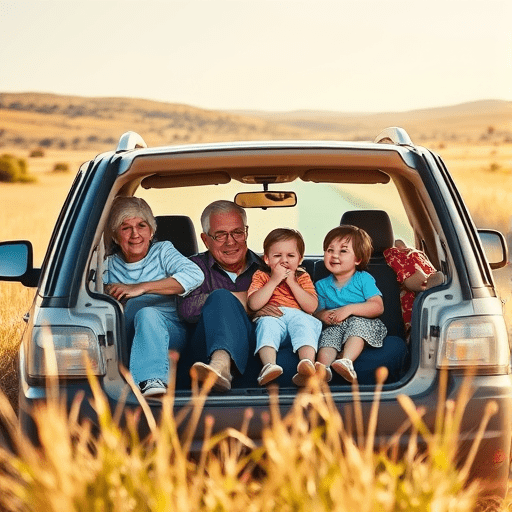
A minivan or SUV is ideal because it offers ample legroom and storage for strollers, diaper bags, and senior mobility aids. If you’re renting, look for models with adjustable seats and easy access to the rear seats. Renting a vehicle with built‑in GPS can save you on rental insurance, and many agencies now offer “family‑friendly” rental options at a discount when booked early. Also, consider a car seat with a lock‑in system that works across vehicles for added safety.
3. Plan Stops That Keep Everyone Energized
Keep drives under three hours whenever possible. Schedule stops at parks, playgrounds, or scenic overlooks where toddlers can run and grandparents can stretch. For older relatives who may need a break, choose spots with benches and shade. Plan for snack breaks every 90 minutes—bring high‑energy snacks like granola bars, fruit, and cheese cubes that don’t spoil easily. At each stop, rotate activities: one parent can supervise the kids while the other offers a short walk or a quick stretch for the seniors.
Kid‑Friendly Activities on the Go
- Mini scavenger hunts: create a list of common road items (e.g., a red mailbox, a train). The first one to spot it earns a sticker.
- Storytime playlists: use audiobooks or sing‑along tracks to keep toddlers calm.
- Stretch breaks: simple yoga poses that everyone can do together.
4. Secure Budget Lodging with Family‑Friendly Amenities
Camping is a classic family budget option, but it may not suit everyone’s comfort level. Instead, search for “budget hotels with free breakfast” or “extended‑stay apartments.” Many motels now offer free Wi‑Fi and are equipped with mini‑fridges for snacks. Look for places that offer complimentary parking and have a kitchenette—grandparents often appreciate being able to heat a soup or reheat a snack in a microwave. Use discount sites or loyalty programs, and book in advance during off‑peak seasons to snag the best rates.
5. Pack Smart to Keep Costs Low and Stress Down
Over‑packing is a common pitfall. Stick to the essentials: travel pillows, a lightweight blanket for each person, and a small first‑aid kit that includes bandages, antiseptic wipes, and child‑safe medication. Bring reusable water bottles, and pack a thermos for hot drinks that can keep toddlers and grandparents comfortable on long drives. For food, opt for bulk snacks like popcorn, nuts, and dried fruit—these often cost less than pre‑packaged treats. If you’re traveling in a rental, bring a portable cooler to keep perishables fresh.
6. Safety First: Plan for Health and Mobility Needs
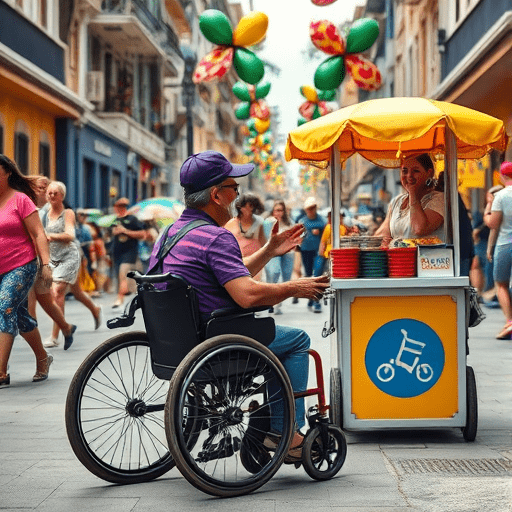
Grandparents may need additional medical supplies, such as blood pressure monitors or inhalers. Keep these in an easily accessible location—ideally a dedicated bag that everyone can see. If any family member has a condition that requires immediate attention, have a clear emergency plan: know the nearest hospitals, carry a list of emergency contacts, and keep a basic first‑aid kit. For toddlers, double‑check that the car seats are installed correctly before every drive.
Driving Etiquette for a Multigenerational Crew
- Assign the driving role: older relatives can drive on familiar routes; younger relatives can handle the GPS or music.
- Use a “safety break” system: after every 2 hours, take a short pause to reset and rotate seats if needed.
- Keep a travel journal: jot down any incidents or adjustments needed for future trips.
7. Maximize Free and Low‑Cost Attractions
Many parks and museums offer free admission on certain days of the month. Plan your itinerary around these free days. For example, the state park in the Midwest offers free entrance every first Saturday. Look for community events like farmer’s markets, outdoor concerts, or local festivals—these provide cultural enrichment at no cost. A simple Google search for “free attractions near [city]” can yield surprising results.
8. Use Technology Wisely to Keep the Budget in Check
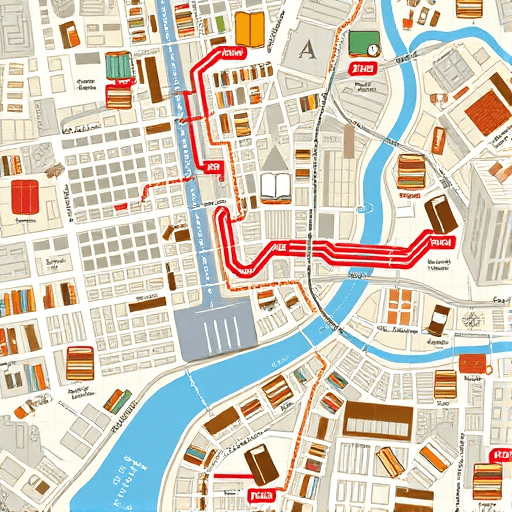
Download offline maps to avoid roaming data costs. Use free transit apps that alert you about road closures or detours—this can save time and fuel. For budgeting, use apps that track mileage and estimate fuel costs in real time. If you’re staying in budget hotels, many apps offer instant booking discounts for last‑minute stays.
9. Create a Shared Family Calendar
Having everyone on the same page reduces last‑minute surprises. Use a shared calendar app where each family member can add events—like a grandparent’s doctor appointment or a toddler’s scheduled nap. This helps maintain a predictable routine, which is comforting for both seniors and kids.
10. Reflect and Adjust for Future Trips
At the end of each day, quickly jot down what worked and what didn’t: Did the kids stay still during the drive? Was the parking at the hotel convenient for everyone? Did the budget meet the expected costs? A simple post‑trip review saves time and money on your next adventure. Store this feedback in a shared folder so that each family member can contribute.
Conclusion
A budget road trip that includes grandparents and toddlers can be a harmonious blend of careful planning, smart spending, and shared joy. By setting a clear budget, choosing the right vehicle, pacing your drives, selecting family‑friendly lodging, packing strategically, prioritizing safety, leveraging free attractions, using technology, and staying organized, you’ll create a memorable, stress‑free journey that keeps everyone safe and happy.