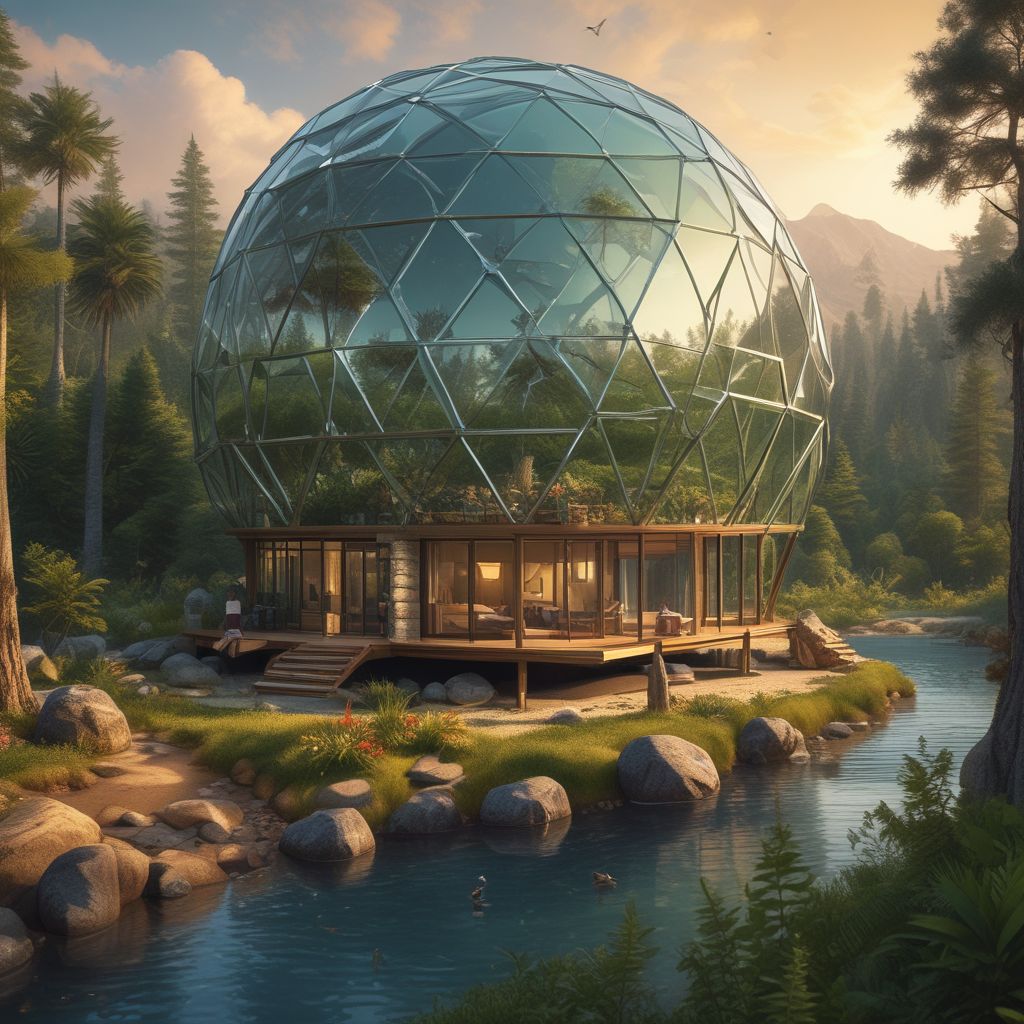
The term Bespoke Biospheres has begun to define a new tier of ultra-luxury travel where resort-owned micro-ecosystems are engineered, preserved, and experienced as private sanctuaries; in this article we explore how conservation-led design, high-tech habitat management, and exclusive service converge to create escapes the ultra-wealthy pay to disappear into.
What Are Bespoke Biospheres?
Bespoke biospheres are compact, carefully managed ecosystems created or restored within the boundaries of a private resort or estate. Unlike traditional eco-lodges that minimize impact by blending into existing surroundings, these retreats actively curate and sometimes reconstruct habitats—wetlands, cloud-forest pockets, coastal dunes, or temperate micro-woodlands—so guests can inhabit a near-pristine slice of nature that still benefits from scientific oversight and luxury comforts.
Core elements
- Designated micro-habitats: intentionally recreated biomes sized from a few hectares to several dozen, designed for resilience and spectacle.
- Scientific stewardship: on-site ecologists, restoration biologists, and wildlife managers monitor biodiversity and ecosystem health.
- Controlled access: a limited number of guests, private villas or domes, and guided immersion programs reduce disturbance.
- Luxury integration: high-end accommodations, bespoke dining, and wellness services integrated without compromising ecological function.
Conservation-Led Design: Luxury That Protects
At the heart of many Bespoke Biospheres is conservation-led design—every aesthetic choice is balanced against ecological outcomes. Architects and landscape ecologists collaborate to select native plant palettes, water-management systems, and wildlife corridors that enhance biodiversity while providing aesthetic drama. Green roofs, rewilded gardens, and artificial water features are engineered to serve species as much as sensory experience.
Design principles in practice
- Adaptive planting: selecting species mixtures that support pollinators and native fauna while withstanding changing climate patterns.
- Hydrological mimicry: recreating seasonal water flows to sustain amphibians, birds, and wetland plants.
- Minimal night lighting: using red-spectrum or shielded lighting to reduce impacts on nocturnal species and preserve starry skies for guests.
- Low-footprint access: elevated boardwalks, submerged utilities, and off-grid energy to minimize soil compaction and disturbance.
How Resorts Build and Maintain Micro-Biospheres
Creating a successful private-ecosystem retreat is both an engineering and ecological endeavor. It begins with baseline surveys—soil, hydrology, historical land cover—and proceeds through phased restoration, species reintroduction, and long-term monitoring. Many operators partner with universities, NGOs, or private conservation funds to offset costs and ensure scientific rigor.
Maintenance combines traditional land stewardship with technology: remote sensors track temperature, soil moisture, and wildlife movements; camera traps and acoustic monitors inform managers about species presence; and guest experiences are scheduled to avoid sensitive breeding seasons. The result is an environment that feels unspoiled to visitors but is in fact carefully curated for resilience and longevity.
Why the Ultra-Wealthy Pay to Disappear
The willingness of wealthy clients to invest in these experiences is driven by several intersecting desires: privacy, authenticity, wellness, and status. Bespoke Biospheres offer a rare commodity—exclusive access to a living landscape that feels authentic yet guarantees comfort and discretion.
- Privacy and exclusivity: entire ecosystems reserved for one family or party create an unmatched intimacy with nature.
- Curated authenticity: guests enjoy guided deep-immersion—silent dawn safaris, nocturnal soundwalks, or hands-on restoration sessions—framed by expert interpretation.
- Wellness and recovery: scientifically designed sensory diets—forest bathing trails, negative-ion pools, circadian lighting—are packaged as restorative therapies.
- Philanthropic signaling: guests often see their stays as conservation investments; many resorts tie stays to measurable conservation outcomes and donor recognition.
Ethical Considerations and Conservation Potential
Bespoke Biospheres raise ethical questions: who gets access to restored nature, and does exclusivity undermine broader conservation goals? Critics warn against nature being privatized for the elite, while proponents point to the significant funding private stays can channel into habitat protection and species recovery.
To balance equity and impact, leading resorts are experimenting with hybrid models: a percentage of nights are allocated for research, education, or community access; conservation endowments fund adjacent public reserves; and transparent reporting demonstrates ecological gains. When implemented responsibly, private-ecosystem retreats can act as incubators for restoration techniques and climate-adaptation strategies that scale beyond their gates.
Booking, Access, and the Market Outlook
The market for Bespoke Biospheres is nascent but rapidly evolving. Early adopters are ultra-high-net-worth individuals and foundations; however, fractional ownership, well-curated philanthropic residencies, and short-run “conservation residencies” are broadening participation. Expect to see more cross-disciplinary collaborations—tech firms providing monitoring platforms, biologists designing guest curricula, and architects creating reversible, low-impact structures.
Regulatory frameworks will shape growth: zoning, endangered-species protections, and water-rights regimes determine what can be built. Savvy operators navigate these constraints by prioritizing partnerships with local communities and regulators, ensuring the social license to operate and embedding benefits in regional conservation strategies.
Practical Tips for Prospective Guests
- Ask about measurable conservation outcomes and read the resort’s stewardship reports.
- Prioritize operators that limit guest numbers, enforce seasonal closures, and use expert guides.
- Check how the resort supports local communities—employment, training, and revenue-sharing are good signs.
- Look for scientific partners or third-party certification indicating transparent ecological monitoring.
As climate uncertainty and habitat loss accelerate, Bespoke Biospheres represent a paradoxical trend: curated, private wilderness that both separates and reconnects people with the wild. Done thoughtfully, these micro-ecosystems can offer transformative experiences for guests while advancing restoration science and funding protection where public resources are scarce.
Conclusion: Bespoke Biospheres blend design, science, and service to create private-ecosystem retreats that satisfy a hunger for immersive, restorative nature without sacrificing conservation outcomes—if ethical frameworks and transparency are prioritized.
Ready to explore how a bespoke biosphere could change your next retreat? Contact a conservation-led luxury operator to learn about current projects and residency opportunities.