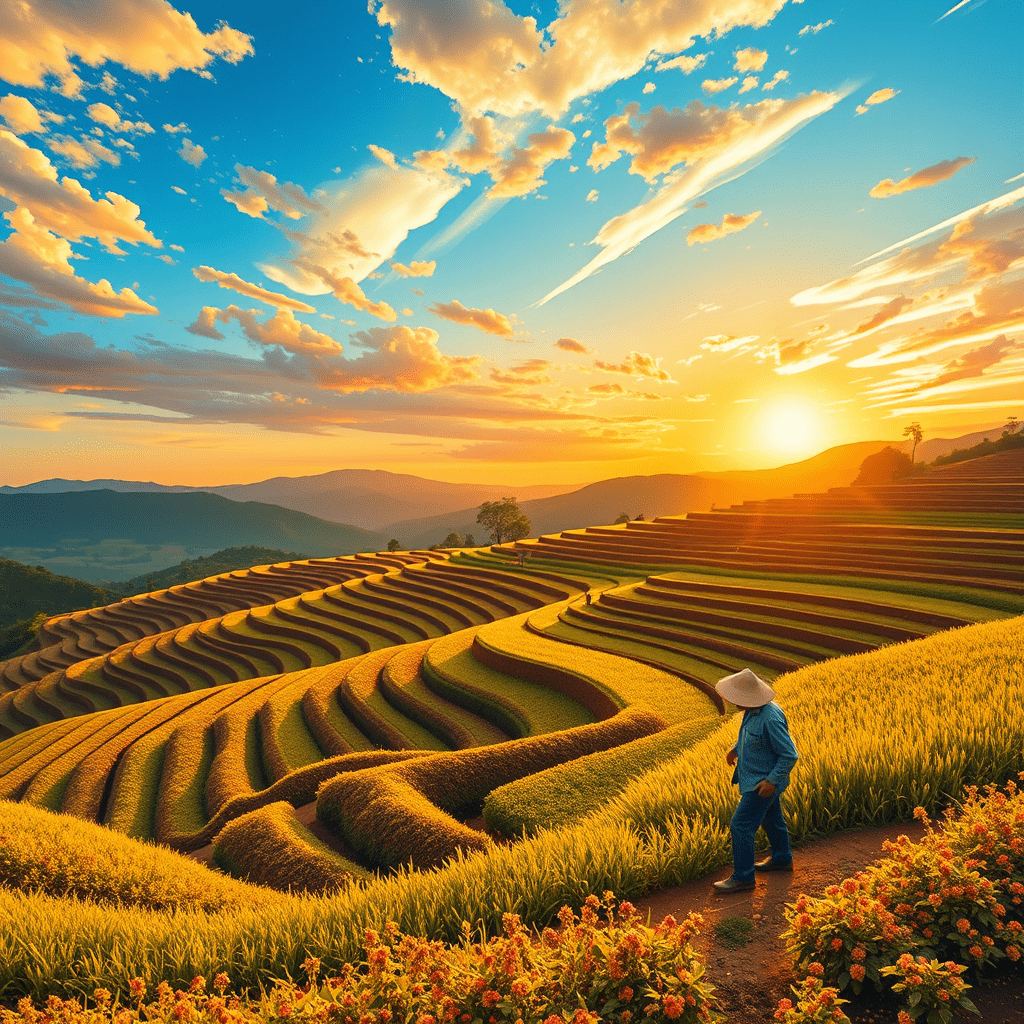
Andes Farm-to-Table: From Remote Terraces to Gourmet Quinoa Dishes
When you think of the Andes, images of towering peaks, snow‑capped volcanoes, and ancient ruins often come to mind. Yet, tucked between these dramatic landscapes lie small, terraced farms where humble quinoa turns into haute cuisine. The Andes farm‑to‑table movement has begun to spotlight these remote terraces, turning them into culinary hotspots that not only delight travelers’ palates but also sustain local economies and preserve centuries of agricultural rituals.
The Legacy of Andean Agriculture
For over 8,000 years, Andean communities have cultivated crops that thrive in high altitudes. Quinoa, potatoes, and a variety of tubers are more than staples; they’re cultural treasures. Traditional farming methods—such as swidden agriculture, terrace building, and terraced irrigation—were designed to conserve water and soil while maximizing yields on steep slopes. These techniques have survived into the 21st century, and now they form the backbone of the farm‑to‑table experience for curious travelers.
Terracing: The Architecture of Sustainability
- Soil conservation: Terraces reduce erosion by slowing water runoff, allowing nutrients to remain in the root zone.
- Water efficiency: Each level captures rainwater and snowmelt, creating a micro‑irrigation system that saves precious resources.
- Microclimate creation: The slight variations in elevation and orientation produce diverse microclimates, enabling a range of crops to thrive side by side.
These engineering feats not only support biodiversity but also set the stage for the farm‑to‑table journey that begins at the very roots of the crop.
From Seed to Plate: The Journey of Quinoa
Quinoa’s journey from seed to gourmet dish is a story of careful stewardship and culinary creativity. The process begins with seed selection, continues through hand‑harvesting, and culminates in a plate that showcases the grain’s nutty flavor and silky texture.
Seed Selection: Choosing the Right Variety
Andean farmers typically grow chenopodium quinoa varieties such as red and black quinoa, each with distinct flavor profiles and nutritional benefits. Farmers often pass down seed catalogues that include heirloom strains adapted to their specific microclimate. By choosing the right seed, growers preserve genetic diversity and ensure resilience against climate shifts.
Harvesting Rituals
Harvesting is a communal event steeped in ritual. Farmers use simple tools—rakes, baskets, and traditional baskets woven from local grasses—to gather the grain. The timing of the harvest is critical: too early, and the seeds may be under‑ripe; too late, and they risk fungal damage. Farmers often celebrate the harvest with a communal papa a la huanca ceremony, offering gratitude to Pachamama (Mother Earth) and ensuring future abundance.
Processing: Cleaning, Drying, and Sorting
After harvesting, quinoa is cleaned by removing debris and husks. Farmers then dry the grain in shaded, well‑ventilated areas to preserve flavor and prevent mold. The final step is sorting, which separates small, medium, and large grains—an important factor for the final dish’s texture and cooking time.
Local Gastronomy: How Small Communities Turn Quinoa into Gourmet
Andean farm‑to‑table initiatives have given rise to a new wave of culinary experiences that fuse traditional techniques with modern gastronomy. From street‑food stalls to fine‑dining restaurants, chefs are reimagining quinoa’s potential.
Street‑Food Revival: Quinoa on the Go
In cities like Cusco and La Paz, street‑food vendors sell quinoa “taco” bowls topped with grilled alpaca, fresh salsa, and a drizzle of quinoa vinaigrette. These portable meals provide a quick, nutritious option for travelers and locals alike. The vendors’ emphasis on fresh, locally sourced ingredients—quinoa, organic vegetables, and homemade sauces—embodies the farm‑to‑table ethos.
Farm‑to‑Table Restaurants: Elevating Quinoa to Fine Dining
High‑end restaurants in the Andean foothills collaborate directly with terrace farmers to source quinoa and other produce. A notable example is the Peruvian eatery La Casa del Valle in Machu Picchu’s base camp. Their signature dish, Quinoa Causa Tricolor, layers quinoa with avocado, roasted peppers, and a citrus foam, all prepared using seasonal, locally grown ingredients. By paying farmers a premium, the restaurant ensures fair wages and invests in sustainable farming practices.
Cooking Classes and Farm Tours
Travelers can immerse themselves in the process by joining hands‑on cooking classes hosted on terraced farms. Participants learn to cook quinoa with native herbs such as huacatay (black mint) and huacatay, while also gaining insight into the ecological significance of terrace agriculture. These immersive experiences foster a deeper appreciation for the farm‑to‑table journey and encourage responsible travel.
Supporting Sustainable Local Economies
The Andean farm‑to‑table movement offers a blueprint for sustainable tourism. By investing directly in local producers, travelers can help maintain agricultural heritage, create jobs, and promote eco‑friendly practices.
Direct Trade and Fair Pricing
When restaurants and tour operators buy quinoa and other produce directly from farmers, they cut out middlemen, ensuring that a larger share of revenue stays within the community. Fair trade certification—though not yet widespread in the Andes—provides an additional layer of transparency, guaranteeing that farmers receive a living wage.
Capacity Building and Knowledge Transfer
Partnerships between NGOs and local cooperatives facilitate training in modern agronomy, climate‑smart farming, and sustainable marketing. Workshops on seed preservation and pest management empower farmers to improve yields while preserving biodiversity.
Eco‑Certification and Tourism Incentives
Ecotourism certification programs recognize farms that adopt low‑impact practices, such as composting and solar energy use. These certifications attract eco‑conscious travelers and can lead to premium pricing for sustainably produced goods. In turn, the increased income supports community projects like school renovations and clean water systems.
How Travelers Can Contribute Responsibly
While the Andean farm‑to‑table scene is thriving, thoughtful travel is essential to preserve its integrity. Here are practical ways to contribute positively:
- Choose Certified Operators: Opt for tour companies and restaurants that demonstrate a commitment to sustainability through certifications or transparent sourcing.
- Purchase Locally: Buy quinoa, honey, and handicrafts directly from farmers or cooperatives rather than through large retail chains.
- Engage in Farm Tours: Participate in guided farm visits and cooking workshops to learn about cultivation practices and cultural significance.
- Respect Local Customs: Observe and honor rituals such as the papa a la huanca ceremony and respect the sanctity of terraces as sacred landscapes.
- Leave a Small Donation: Many farms accept a modest donation that goes toward community projects like irrigation maintenance or school supplies.
Future of Andean Farm‑to‑Table
Climate change and urbanization pose challenges to terrace agriculture. However, the farm‑to‑table movement is driving innovation in drought‑resistant quinoa varieties, precision irrigation, and agroforestry systems that blend tree cover with crop production. By investing in research and supporting local communities, the Andean culinary tradition can adapt and thrive for generations.
As travelers, we hold the power to support these resilient ecosystems by choosing authenticity over convenience, sustainability over exploitation, and community empowerment over short‑term gains.
Conclusion
From the ancient terraces that cradle quinoa fields to the modern plates that showcase their flavors, the Andes farm‑to‑table experience invites travelers to savor not only a dish but a story of stewardship, culture, and resilience. By engaging with local communities, supporting fair trade, and embracing culinary rituals, we can help preserve this unique heritage while enjoying some of the most delectable foods the world has to offer.
Experience the Andes farm‑to‑table journey and taste the difference that genuine, sustainable sourcing can make.