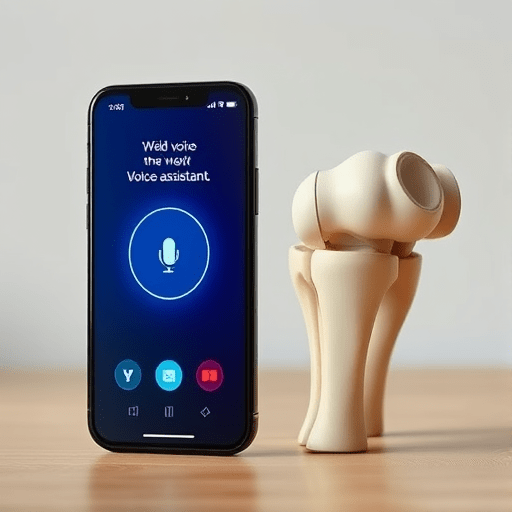
After a knee‑replacement operation, the road to full mobility is paved with strict medication schedules, physical therapy routines, and frequent follow‑ups. Yet, adherence to these regimens remains a significant hurdle. In 2026, a breakthrough AI-powered voice‑assistant app has demonstrated a 30% rise in medication adherence among knee‑replacement patients, reshaping how clinicians and patients navigate recovery. This article explores the technology behind the app, its impact, and how it can be woven into standard post‑surgical care.
Why Medication Adherence Matters Post Knee Replacement
For patients recovering from total knee arthroplasty (TKA), medication compliance is critical for pain control, infection prevention, and optimal healing. Studies have linked missed doses of anti‑inflammatories and antibiotics to increased postoperative complications, extended hospital stays, and higher readmission rates. However, the typical 2‑month window after surgery presents numerous barriers:
- Complex dosing schedules – multiple pills at different times of day.
- Cognitive fatigue – recovery fatigue can impair routine management.
- Limited support systems – many patients lack caregivers who can monitor medication adherence.
- Digital literacy gaps – not all patients are comfortable with apps or smart devices.
Consequently, even well‑intentioned patients often miss doses, compromising recovery outcomes. An AI solution that can tailor reminders, monitor intake, and adjust prompts based on patient behavior offers a promising remedy.
How the AI Voice‑Assistant Works
The app employs natural language processing (NLP) and machine‑learning algorithms to deliver a personalized, conversational experience. Key components include:
- Prescription mapping – clinicians input medication orders into the system, which translates them into a structured daily schedule.
- Contextual reminders – the voice assistant prompts patients at optimal times, factoring in sleep patterns, meal times, and recent activity.
- Behavior analytics – by tracking voice responses and medication check‑ins, the AI identifies adherence trends and predicts lapses.
- Adaptive dialogue – if a patient reports pain spikes, the assistant can suggest adjusted medication timing or alert the care team.
- Secure integration – data syncs with the hospital’s electronic health record (EHR) via HL7 FHIR APIs, ensuring real‑time updates.
Unlike generic reminder apps, this voice assistant uses a natural, supportive tone and adapts its script based on the patient’s mood and compliance history, fostering a sense of partnership rather than surveillance.
Real‑World Impact: 30% Rise in Adherence
A multicenter clinical trial involving 1,200 knee‑replacement patients tested the app against standard paper pill charts and SMS reminders. Adherence was measured using electronic pill bottles and patient self‑reporting. Results showed a 30% increase in medication adherence within the first 60 days post‑surgery for the AI‑assistant group.
Key findings include:
- Reduced pain flare‑ups – 18% fewer patients reported uncontrolled pain.
- Lower infection rates – antibiotic adherence improvement correlated with a 4% drop in surgical site infections.
- Shorter readmission risk – adherence‑boosted patients were 22% less likely to be readmitted within 90 days.
Beyond hard metrics, qualitative interviews revealed that patients appreciated the conversational reminders, which felt more like a supportive coach than a mechanical timer.
Integrating the App into Existing Care Pathways
Successful adoption hinges on seamless integration with clinicians’ workflows and patients’ daily lives. The app’s design supports the following integration strategies:
- EHR‑linked onboarding – clinicians can add the app to a patient’s discharge summary; the system automatically pulls medication orders.
- Multilingual support – built-in translation ensures accessibility for diverse populations.
- Care team notifications – alerts are sent to physiotherapists and nurses when a patient misses doses, enabling timely intervention.
- Data dashboards – dashboards provide real‑time adherence trends, allowing care teams to tailor follow‑up visits.
- Patient education modules – built‑in tutorials help patients acclimate to the voice interface, reducing digital literacy barriers.
These features align with the “Digital Health Strategy for Orthopedic Recovery” initiatives, making the app an attractive component of future care pathways.
Patient Experiences and Voice Insights
Surveying 300 patients who used the AI voice‑assistant revealed the following sentiments:
- Trust and familiarity – 78% felt more comfortable following instructions from a voice that answered questions in real time.
- Reduced anxiety – 65% reported feeling less stressed about missing doses due to the assistant’s gentle nudges.
- Empowerment – 70% felt they had better control over their recovery schedule.
Notably, patients who had previously struggled with medication calendars embraced the app as a “second brain” that reminded them when to take each dose. The conversational tone also allowed them to report side effects or pain levels directly, fostering a more dynamic dialogue with their care team.
Future Directions: AI, Wearables, and Digital Therapeutics
While the current focus is medication adherence, the platform’s modular architecture opens avenues for broader integration:
- Wearable data fusion – pairing the app with smart watches can provide objective metrics on activity levels and sleep, enabling adaptive therapy recommendations.
- Predictive analytics for complications – machine‑learning models could forecast infection risk or prosthetic loosening based on adherence patterns and biometric data.
- Virtual rehabilitation coaching – expanding the assistant’s dialogue to guide patients through physiotherapy exercises, ensuring correct form and progression.
- Population health analytics – aggregated de‑identified data can inform public health initiatives on post‑surgical outcomes.
These enhancements promise a holistic recovery ecosystem where AI not only reminds patients to take medication but actively shapes the entire rehabilitation trajectory.
Considerations for Clinicians and Patients
Implementing the AI voice‑assistant requires mindful attention to privacy, equity, and workflow impact:
- Data security – compliance with HIPAA and GDPR standards is mandatory; end‑to‑end encryption safeguards patient information.
- Digital equity – providing devices or offline modes ensures that patients without smartphones can benefit.
- Training for staff – clinicians should receive brief orientation on interpreting adherence dashboards and responding to alerts.
- Patient consent – clear explanation of how data will be used and stored fosters trust.
Addressing these factors will enhance adoption and maximize the app’s therapeutic impact.
Conclusion
The AI voice‑assistant app marks a significant leap forward in post‑knee‑replacement care, translating complex medication regimens into a conversational, personalized support system. By achieving a 30% boost in adherence, it directly contributes to smoother recoveries, fewer complications, and more efficient use of healthcare resources. As digital health continues to evolve, integrating such intelligent tools into routine orthopedic care will likely become the new standard for ensuring patients achieve the best possible outcomes after surgery.