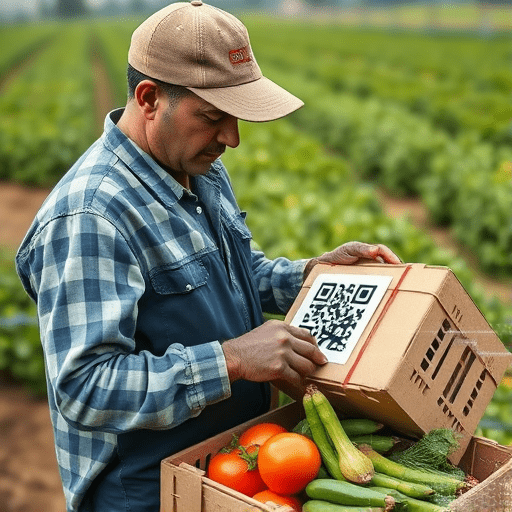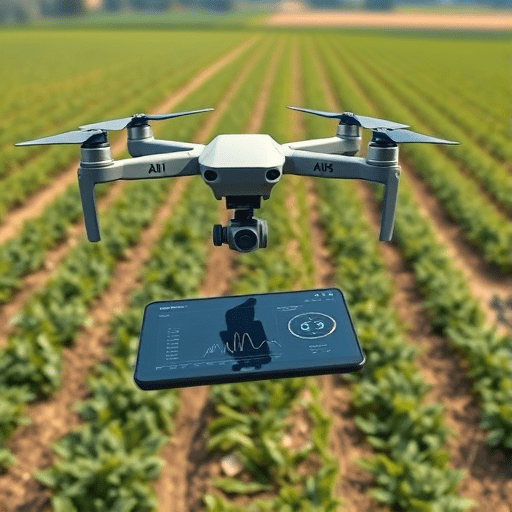
Small farms are uniquely positioned to lead the fight against climate change, but many struggle to implement the advanced technology that can both cut emissions and increase productivity. The growing field of AI-powered precision farming offers a practical, data-driven approach that is now affordable, scalable, and highly effective. This guide walks you through the essential steps—starting with a realistic assessment of your farm’s carbon profile, selecting the right AI tools, integrating them into everyday operations, and monitoring the results—to help your farm become a carbon-smart, yield-boosting operation.
1. Conduct a Carbon Footprint Baseline
Before you can reduce emissions, you need a clear, quantifiable picture of where they come from. Begin by gathering data on the following:
- Fuel consumption for tractors, generators, and irrigation pumps
- Electricity use for greenhouses, processing facilities, and storage buildings
- Manure management practices and associated methane emissions
- Use of synthetic fertilizers, pesticides, and the carbon embedded in them
- Land-use changes and soil carbon sequestration potential
Use standardized tools such as the FAO’s GHG Emission Factors or the US EPA’s Greenhouse Gas Equivalencies Calculator to translate these activities into CO₂e values. The resulting baseline will serve as your target for reductions and help prioritize the most impactful interventions.
2. Identify High-Impact AI Use Cases
Small farms have limited resources, so focus on AI applications that deliver the highest carbon benefit per dollar spent. Three areas stand out:
- Variable Rate Application (VRA) via AI-driven Soil Mapping – AI algorithms analyze satellite and drone imagery to create detailed maps of soil fertility, moisture, and crop health. These maps inform VRA, ensuring that fertilizer and pesticide use matches exactly what the crop needs, reducing excess application and associated emissions.
- Smart Irrigation Scheduling – AI models predict rainfall patterns, evapotranspiration rates, and crop water needs in real time, adjusting irrigation schedules to minimize water use and energy consumption.
- Livestock Monitoring and Feed Optimization – AI-powered wearables and on‑farm sensors monitor animal health and feed intake, enabling precise adjustments that reduce methane emissions from enteric fermentation.
Choose one or two use cases that align with your existing operations and budget.
3. Source Accessible AI Platforms and Hardware
Fortunately, the market now offers several low‑cost, cloud‑based AI platforms tailored for small farms. Look for providers that provide:
- Free or low‑tier data storage and processing plans
- Plug‑and‑play sensor kits (e.g., soil moisture probes, leaf‑area sensors)
- Mobile apps that display real‑time analytics and recommendations
- APIs for integration with existing farm management software
Examples include Agrilens, FarmLogs, and PrecisionHawk, all of which offer trial periods that can be used to validate performance before committing financially.
Hardware Considerations
Many AI solutions rely on sensor data. For small farms, prioritize:
- Low‑power, battery‑operated soil sensors that can be left in the field for months
- Portable drone platforms with built‑in AI analytics (e.g., DJI Mavic with OpenDroneMap)
- Raspberry Pi or Arduino setups for custom sensor arrays, if you have the technical skill
Hardware can be purchased in bulk to reduce costs. Some providers also offer leasing options that spread out the upfront expense.
4. Integrate AI Insights into Daily Operations
Once you have the platform and hardware in place, the next step is operational integration. Follow these practical steps:
- Data Collection Protocols – Schedule regular sensor checks, drone flights, and data uploads. Consistency is key to maintaining the accuracy of AI models.
- Decision‑Making Workflow – Translate AI recommendations into actionable field plans. For instance, if the AI suggests 20 kg / ha of nitrogen in a specific row, create a fertilizer plan that reflects this variable rate.
- Training and Calibration – Train farm staff on interpreting AI dashboards and calibrating equipment accordingly. Periodic calibration of sensors and equipment ensures data fidelity.
- Feedback Loop – After applying AI-driven recommendations, capture field outcomes (crop yield, soil moisture) to refine the AI models. Most platforms allow you to upload this feedback, improving future predictions.
By embedding AI insights into routine decision-making, you’ll create a culture of data‑driven stewardship that naturally reduces emissions over time.
5. Monitor, Measure, and Report Emissions Reductions
To prove the impact of AI interventions, maintain a clear reporting pipeline:
- Use the farm’s existing GIS system to map AI‑guided variable rate fields and overlay them with carbon emission hotspots.
- Track fuel consumption and energy use before and after AI implementation.
- Employ carbon accounting software (e.g., Carbon Footprint Ltd. or FarmCarbon) to calculate reductions in CO₂e.
- Publish an annual sustainability report that highlights AI‑driven emission cuts, yield improvements, and any certifications achieved.
Transparent reporting not only validates your progress but can also unlock incentives from government or private sustainability programs.
6. Leverage Community and Knowledge Sharing
Adopting AI technology can be daunting, especially when resources are limited. Engage with local agritech hubs, farmer cooperatives, and extension services. Many universities now offer workshops on precision agriculture, often free or heavily discounted for small‑holder farms.
Consider forming a “precision‑farming consortium” within your region. By pooling data and resources, you can negotiate better pricing for sensors, share best practices, and collectively troubleshoot AI platform issues.
Funding and Incentives
Look for:
- Government grants targeting carbon reduction (e.g., CarbonSmart Small Farm Grant)
- Private sector rebates for adopting renewable energy and low‑carbon technologies
- Carbon credit markets where reduced emissions can be monetized
These financial mechanisms can dramatically offset the initial investment and make AI adoption financially viable.
7. Scale Smartly and Sustain the Gains
Once you have proven success on a few fields, consider scaling the approach gradually:
- Expand AI‑guided variable rate applications to additional crop rotations.
- Introduce AI‑based soil health monitoring to guide cover crop selection.
- Use predictive analytics to plan for climate‑resilient crop varieties.
Continuous learning is essential. AI models improve with data, so keep feeding them updated sensor readings, yield reports, and environmental variables.
Conclusion
AI-powered precision farming offers small farms a concrete, data-driven path to cutting carbon emissions while boosting yields. By starting with a clear carbon baseline, selecting high‑impact AI use cases, sourcing affordable tools, integrating insights into everyday work, and rigorously monitoring outcomes, you can transform your farm into a climate‑smart operation. Embrace the technology, collaborate within your community, and let the data guide you toward a greener, more profitable future.