AI Dungeon Masters: Machine Learning Replaces Human Narrators in RPGs
In the evolving world of tabletop and digital role‑playing games, AI Dungeon Masters are emerging as a transformative force. By leveraging advanced machine learning models, these virtual narrators dynamically adapt story arcs, create richly detailed NPCs, and respond to player actions in real time. This shift not only deepens narrative complexity but also redefines player agency, offering a gaming experience that feels both personalized and expansive.
The Rise of AI Dungeon Masters
Historically, the Dungeon Master (DM) was the heart of any RPG, weaving plots, managing mechanics, and maintaining the flow of the game. However, the manual nature of this role often limited the depth of worldbuilding and the flexibility of storytelling. Recent breakthroughs in natural language processing (NLP) and reinforcement learning have paved the way for AI systems that can match, and in some cases surpass, human creativity in crafting engaging adventures.
How Machine Learning Fuels Adaptive Story Arcs
Real‑Time Decision Making
At the core of AI Dungeon Masters is a generative model trained on millions of narrative examples. When a player makes a choice—such as negotiating with a rival or exploring a forbidden ruin—the AI evaluates the action, predicts potential outcomes, and generates a seamless continuation. This allows for a level of responsiveness that human DMs, bound by time and cognitive load, rarely achieve.
Emotional Resonance and NPC Depth
Beyond plot progression, these models incorporate sentiment analysis to gauge the emotional tenor of player interactions. NPCs can exhibit nuanced reactions, remember past encounters, and evolve relationships over multiple sessions. The result is a living world where characters feel authentic and stakes feel real.
Shifting the Balance of Player Agency
Predictive Pathways vs. Open Exploration
AI systems can offer predictive branching structures that anticipate a player’s trajectory, but they can also maintain open exploration by randomizing encounters or introducing emergent side quests. This hybrid approach gives players the freedom to explore while still feeling guided by a coherent overarching narrative.
Collaborative World‑Building Tools
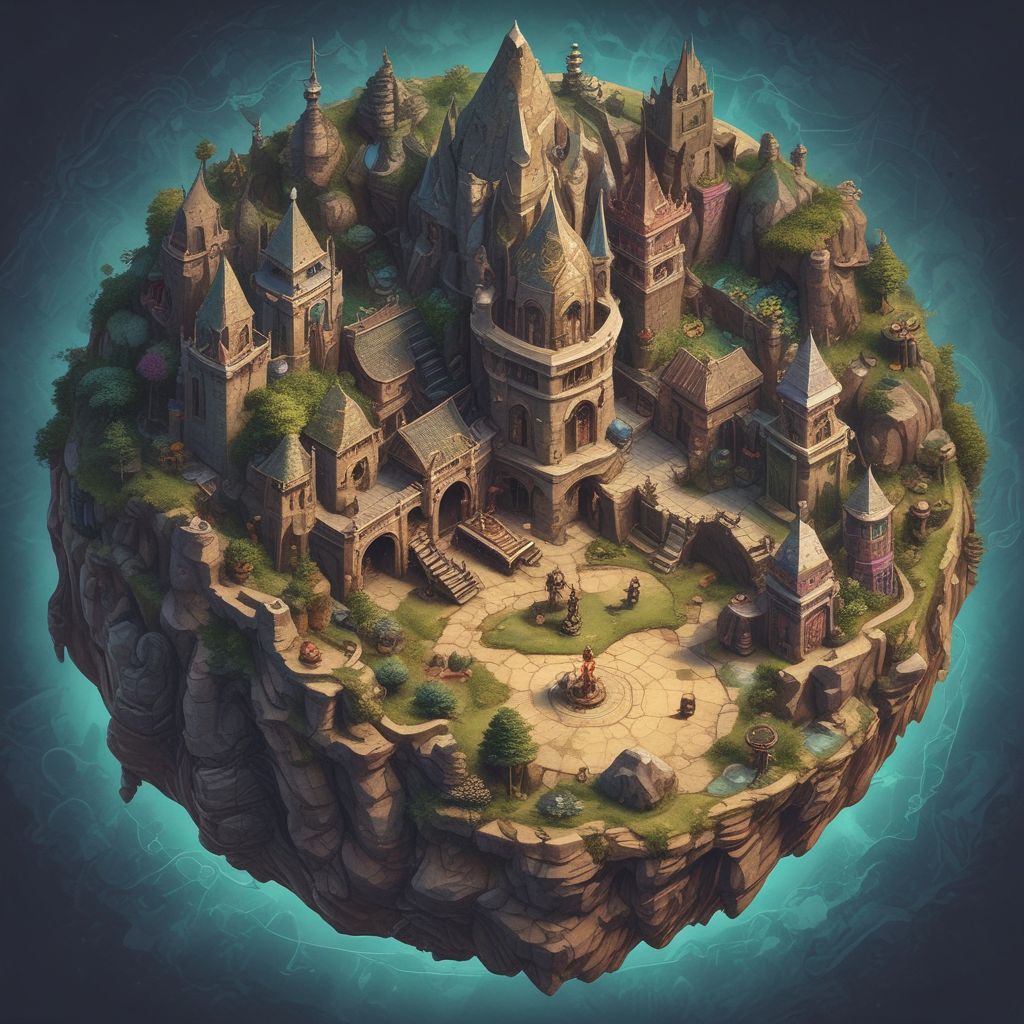
Some platforms provide interactive maps and asset generators that respond to player decisions. Players can drag and drop elements, tweak lore snippets, and instantly see how those changes ripple through the story. This collaborative creation empowers players to co-author the game world, deepening immersion and investment.
Narrative Depth: From Linear to Emergent
Layered Story Threads
AI Dungeon Masters can weave multiple subplots simultaneously, each reacting to the others. For example, a political intrigue subplot may shift dramatically if a player allies with a certain faction, while a personal quest of a main NPC might unlock based on a player’s past choices. These layers create a tapestry of narrative possibilities that a single human DM might struggle to manage over long campaigns.
Player‑Driven Consequences
Because the AI continuously processes player input, consequences feel immediate and consistent. A player’s decision to spare a villain might result in that character becoming an ally, affecting future quests and altering the moral landscape of the game. The system tracks these causality chains, ensuring that no choice feels arbitrary.
Practical Implementation: Integrating AI into Existing RPG Systems
Plug‑and‑Play APIs
Many AI Dungeon Master tools offer APIs that can be integrated into popular virtual tabletop (VTT) platforms such as Roll20 or Fantasy Grounds. With minimal coding, game masters can replace or augment their narrative engine with AI, benefiting from automatic scene generation, dynamic dialogue, and real‑time world updates.
Customizable Rule Sets
To preserve game balance, designers can configure the AI’s rule set, adjusting parameters such as difficulty scaling, magic availability, or combat pacing. This flexibility allows traditionalists to maintain the feel of their favorite tabletop systems while still reaping the benefits of adaptive storytelling.
Ethical and Creative Considerations
Bias in Training Data
AI models learn from existing texts, which may contain cultural biases or outdated tropes. Game designers must curate training datasets carefully, ensuring diverse representation and inclusive storytelling. Some platforms provide tools for bias detection, allowing developers to tweak the model’s output before deployment.
Preserving the Human Touch
Even as AI advances, many players value the human element—improvised jokes, emotional warmth, or the subtlety of a well‑timed pause. Successful AI Dungeon Masters blend algorithmic efficiency with human oversight, allowing a real DM to step in for narrative flourishes or to moderate pacing when needed.
Future Horizons: Beyond Fantasy
Genre Blending and Meta‑Narratives
AI’s capacity to understand and generate across genres opens doors to hybrid adventures—science‑fiction meets fantasy, or detective noir set in a post‑apocalyptic world. Additionally, AI can facilitate meta‑narratives where player decisions influence the story’s meta‑story, creating layers of meaning that challenge conventional RPG structures.
Cross‑Platform Play
With cloud‑based AI engines, sessions can be conducted across devices—desktop, tablet, or mobile—ensuring that players remain connected regardless of their platform. The AI can synchronize states, maintain continuity, and provide a consistent experience whether the group gathers around a single screen or plays dispersed online.
Conclusion
The integration of machine learning into the role of Dungeon Master marks a pivotal moment for role‑playing games. By delivering adaptive story arcs that respond to player agency, AI Dungeon Masters create narratives that are both deeply personal and richly complex. While challenges remain—such as mitigating bias and preserving human creativity—the potential for more immersive, responsive, and expansive RPG experiences is undeniable.
Explore the future of RPG storytelling today.