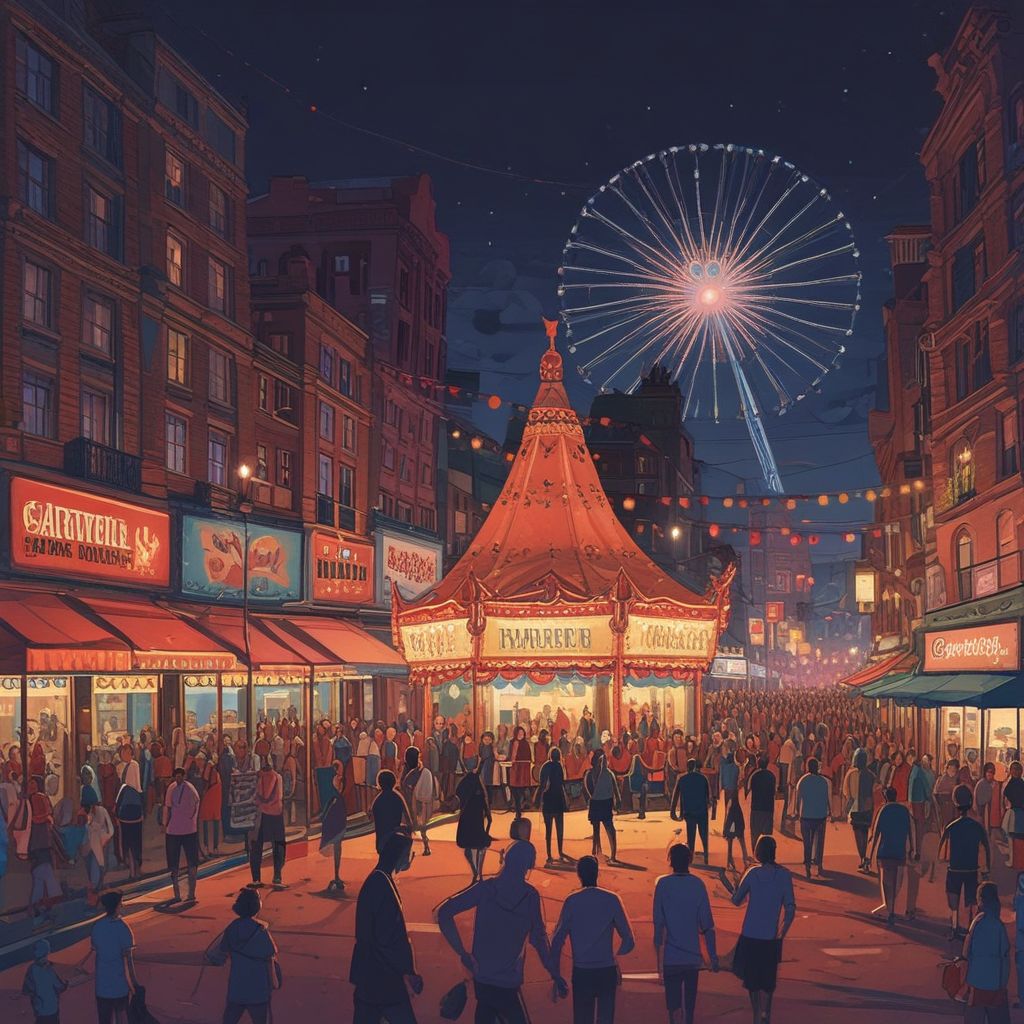
Nighttime street festivals are rewriting the travel playbook, turning quiet cities into pulsating, late-night laboratories of food, music, and performance. From improvised parades to secret supper clubs and lantern-lit processions, these after-hours carnivals invite curious travelers to experience destinations when they’re at their most creative and communal.
Why nighttime street festivals matter for modern travelers
Travel used to be measured by daytime sights and museum hours; today, many of the most memorable moments happen after dark. Nighttime street festivals do more than entertain—they reveal a city’s social heartbeat, expose lesser-known neighborhoods to visitors, and create economic opportunities for local artists and vendors. For culturally curious travelers, these events offer spontaneous encounters, immersive storytelling, and the chance to witness traditions undiluted by tourist schedules.
What makes after-hours festivals unique
- Layered sensory experiences: Light installations, live music, and food aromas combine to create a distinct nocturnal atmosphere.
- Pop-up culture: Temporary performances and mobile stages turn ordinary streets into dynamic cultural stages.
- Community-led energy: Many events are grassroots—organized by neighbors, collectives, or local artists rather than tourist boards.
- Discovery of overlooked areas: Night festivals often take place in neighborhoods off the main tourist map, providing fresh perspectives on the city.
Where to go: overlooked cities with vibrant after-hours scenes
Below are six cities where nocturnal parades, pop-up performances, and late-night food culture are creating unforgettable travel experiences.
- Valparaíso, Chile — The port city’s steep alleys host light parades and improvised music nights; artists transform facades with projections and guerrilla theater.
- Gdańsk, Poland — Beyond its daytime architecture, Gdańsk’s summer night markets and riverfront performances celebrate maritime folklore with lantern processions.
- Penang, Malaysia — Famous for street food by day, Penang’s night festivals blend culinary hawker culture with shadow puppet shows and late-night jazz.
- Zagreb, Croatia — The city’s experimental night parades and pop-up theater events highlight independent performers and creative collectives.
- Kumasi, Ghana — Night markets and nocturnal drumming circles showcase Ashanti culture; street-side cooks serve communal plates until the small hours.
- Valletta, Malta — Baroque streets come alive with night concerts, temporary art installations, and midnight food trails in hidden courtyards.
How to experience nocturnal parades and pop-up performances
Approaching after-hours events with curiosity and respect makes them more rewarding. Here’s a quick practical guide.
Before you go
- Check local event calendars and community social channels for last-minute pop-ups.
- Learn a few greetings in the local language; small courtesies go a long way in community events.
- Plan transport both to and from the festival—late-night rides or public transport schedules vary widely.
At the festival
- Be present: step away from screens and let the evening unfold—many experiences are fleeting and serendipitous.
- Ask before photographing performers or intimate rituals; consent is part of responsible travel photography.
- Support local vendors: buying a dish or a handmade souvenir helps sustain the artists creating the event.
Late-night food culture: the engine of after-hours carnivals
Food often anchors nighttime street festivals. The aromas of folding woks, smoky grills, and sweet pastries create a social atmosphere where strangers become neighbors over shared plates.
What to expect from late-night festival food
- Small plates and street snacks—think skewers, dumplings, and sweet fritters—designed for grazing and sharing.
- Fusion and experimentation—chefs use festival nights to trial mashups that blur traditional boundaries.
- Community tables and pop-up kitchens—communal dining experiences that connect visitors with locals.
Staying safe and respectful after dark
Enthusiasm shouldn’t replace common sense. Follow these simple safety and etiquette tips to enjoy the night responsibly.
- Travel in groups when possible and keep a charged phone and local emergency numbers handy.
- Observe cultural norms—dress codes, noise levels, and acceptable behavior vary; when in doubt, mirror locals’ cues.
- Carry small local currency; not every street vendor accepts cards or digital payments late at night.
- Leave no trace: dispose of waste properly and support vendors using reusable or compostable packaging when available.
Planning your after-hours itinerary
To make the most of nocturnal travel, blend planned experiences with room for spontaneity.
- Block two to three nights for immersive evenings—one to survey, one to join a parade or performance, and one to explore spontaneous pop-ups.
- Book accommodations close to event neighborhoods to minimize late-night travel.
- Pair night outings with daytime recovery—slow mornings, local cafés, and low-key cultural visits help sustain energy.
Final tips for culturally curious night owls
Embrace the unexpected, but do so with humility. Nighttime street festivals are community moments—arrive as a guest, listen more than you speak, and be ready to follow where the music, light, or scent leads.
Nighttime street festivals are more than a trend; they’re a new lens for experiencing places—intimate, creative, and deeply local. For travelers who prefer stories over checklists, the after-hours carnival is a must-add to any itinerary.
Ready to chase lanterns, taste midnight specialties, and dance in unseen alleys? Pack light, stay curious, and let the night guide you.