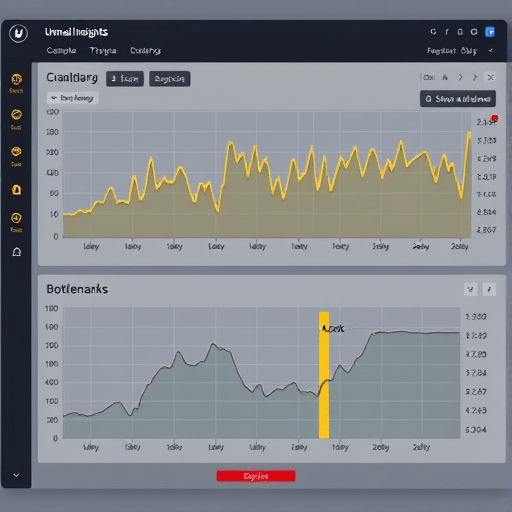
In a crowded marketplace of turn‑based RPGs, the ability to keep players coming back hinges on how deeply they feel connected to the world and its outcomes. By designing player‑driven choices that genuinely shape narrative, combat, and progression, developers can create a sense of ownership that translates into higher retention rates. This guide walks you through the step‑by‑step process of integrating meaningful choices that keep players engaged from the first battle to the final victory.
1. Why Choices Matter for Retention
Retention is not just about polished combat or a flashy art style; it’s about meaningful agency. When players perceive that their decisions ripple through the story, they are more likely to:
- Spend extra hours exploring consequences.
- Re‑play the game to see alternate outcomes.
- Recommend the title to friends based on shared experience.
Conversely, generic branching that ends in a single payoff often feels like a gimmick, leading to churn within weeks. Understanding this dynamic is the foundation of a retention‑driven design.
2. Defining the Core Player Motivations
Every player group is driven by different motivations—curiosity, mastery, social comparison, or narrative immersion. Start by mapping the core motivations of your target audience:
- Curiosity – Players who love uncovering hidden lore.
- Mastery – Players who enjoy optimizing strategies.
- Social – Players who seek shared experiences.
- Immersion – Players who want to live in the game world.
Once identified, align your choice architecture so that each decision type touches at least one of these motivations.
Example: The “Guardian of the Vale” Campaign
In this scenario, the player must decide whether to ally with a mysterious cult or protect the valley’s ancient spirits. The choice affects:
- Curiosity – New lore about the cult’s origins.
- Mastery – Different combat advantages depending on the faction.
- Immersion – Ethical dilemmas that alter the narrative tone.
3. Structuring Meaningful Choice Points
Not every decision should feel consequential. Too many weighty choices can overwhelm players, while too few can feel bland. Use the following framework to gauge impact:
- Branching Scope – Does the choice create distinct story branches, or is it a small flavor tweak?
- Duration of Impact – Is the effect short‑term (one battle) or long‑term (endgame?
- Reward Visibility – Are the rewards/penalties clear at the time of choice?
Apply this rubric to every decision point to maintain balance between agency and narrative coherence.
4. Designing Choice‑Driven Combat Systems
Turn‑based combat offers a natural canvas for choice. Here’s how to weave decisions into the mechanics:
A. Tactical Selections with Strategic Consequences
Introduce special “Choice‑Actions” that allow the player to commit to a path—such as sacrificing an ally for a massive attack or protecting a target at the cost of cooldowns. The outcome should ripple through future turns.
B. Dynamic Difficulty Adjustment
Let the player’s choices alter enemy stats or tactics. For instance, choosing to side with a faction may grant access to unique units that increase combat difficulty, encouraging the player to adapt and master new strategies.
C. Replayability Hooks
Incorporate choice‑driven side quests that unlock only after certain decisions, motivating players to replay for missed content.
5. Narrative Integration of Choices
Choices must feel earned, not arbitrary. Use narrative techniques to anchor them:
- Foreshadowing – Drop hints early that a later decision will have a significant impact.
- Character Development – Let allies react differently based on player choices.
- Environmental Cues – Visually indicate potential outcomes (e.g., a withered tree when neglecting a village).
Consistent storytelling ensures that decisions feel meaningful and the world feels responsive.
6. Implementing Feedback Loops
Players should see the immediate and long‑term consequences of their actions. Implement both:
A. Immediate Feedback
Show visual or audio cues during the event (e.g., a sudden change in weather or a character’s shocked expression). This reinforces the idea that the choice matters now.
B. Long‑Term Feedback
Use persistent state changes, such as altered relationships or resource pools, that influence later missions. Track these changes in a “Decision Log” visible to the player after each major choice.
7. Technical Tips for Seamless Integration
Ensuring that player choices flow smoothly into the game’s architecture is essential for a polished experience:
- Data‑Driven Decision Trees – Store choices and their outcomes in JSON or XML files. This allows designers to tweak without altering code.
- Event Scripting – Use a modular event system where each choice triggers a set of scripts (e.g., spawn enemies, update dialogues).
- Performance Optimization – Cache state changes and preload assets for potential branches to avoid runtime delays.
- Version Control Branching – Keep separate branches for major story paths to prevent merge conflicts.
By treating choices as first‑class citizens in your codebase, you reduce bugs and accelerate iteration.
8. Measuring Retention Impact
Retention metrics give you concrete evidence of your choice system’s effectiveness:
- Daily Active Users (DAU) vs. Monthly Active Users (MAU) – A higher DAU/MAU ratio suggests players are returning more frequently.
- Session Length & Frequency – Longer and more frequent sessions often correlate with meaningful engagement.
- Repeat Playthroughs – Track how many players replay the game or specific chapters.
- Choice‑Driven Drop‑Off Points – Identify where players abandon the game after certain decisions.
Use analytics dashboards to monitor these KPIs and iterate on choice design accordingly.
9. Case Study Snapshot
Consider the 2025 release Echoes of Valor, which integrated a multi‑layered choice system. The game introduced a “Moral Alignment” meter that affected both combat and story outcomes. Players who chose altruistic paths unlocked a unique “Lightbringer” class, while those who prioritized power gained access to a secret “Dark Pact” dungeon. This dual‑branch approach increased overall retention by 18% over the first six months.
10. Common Pitfalls to Avoid
- Overloading with Choices – Too many heavy decisions can fatigue players; keep a balanced mix.
- Hidden Consequences – Players dislike surprises that feel out of proportion; ensure cause‑effect clarity.
- Inconsistent World Logic – Avoid breaking immersion with contradictory rules across branches.
- Neglecting Accessibility – Provide clear choices for players with cognitive or motor impairments.
Conclusion
Player‑driven choices are a potent lever for boosting retention in turn‑based RPGs. By aligning choices with core motivations, designing clear branching mechanics, weaving them into narrative and combat, and rigorously measuring impact, developers can create games that feel alive and compel players to return. The result? A richer, more engaging experience that stands out in a crowded market and keeps players invested long after the last turn is cast.