Long, gravel‑laden rides or high‑intensity training sessions can leave cyclists grappling with stubborn knee pain. The new wave of vibration‑powered cycling insoles offers a science‑backed solution that harnesses micro‑vibrations to reduce knee strain and accelerate recovery. These compact devices sit inside your shoes, delivering precise, low‑amplitude vibrations that target the peroneal muscles, improve circulation, and promote joint lubrication—all while you pedal. By integrating this technology into your gear, you can keep your knees healthy, shave off soreness, and stay on the road longer.
How Micro‑Vibrations Target Knee Pain
Unlike conventional massagers that rely on high‑frequency pulses, micro‑vibrations operate at a gentle 30–70 Hz, creating a subtle yet powerful stimulus for the muscles surrounding the knee. The key lies in the frequency and amplitude: at these levels, the muscles contract reflexively without fatigue, enhancing blood flow and flushing out metabolic waste. Clinical studies on athletes show that a 15‑minute session per day can reduce inflammation markers in the quadriceps and hamstrings by up to 25 %, leading to noticeable pain relief over weeks of training.
Biophysical Mechanisms at Play
- Neuromuscular activation: Vibrations stimulate the Golgi tendon organs and muscle spindles, triggering reflexive contractions that strengthen the supporting musculature.
- Improved synovial fluid dynamics: The gentle oscillations help lubricate the knee joint, reducing friction during repetitive cycling motions.
- Enhanced proprioception: By providing real‑time sensory input, the insoles improve joint position sense, helping riders maintain proper alignment and avoid compensatory patterns that cause pain.
Technical Specs That Matter for Cyclists
While the concept is simple, the execution varies across brands. When choosing vibration‑powered cycling insoles, focus on these critical specifications:
Battery Life & Power Source
Modern insoles use rechargeable lithium‑ion cells that last between 30 to 60 minutes of continuous vibration, sufficient for a full training session. Look for models with a quick‑charge feature (≤15 minutes to full charge) to keep downtime minimal.
Frequency & Amplitude Control
The most effective range for knee pain relief is 30–70 Hz at 0.05–0.15 mm amplitude. Some insoles let you adjust these parameters via a companion app, allowing you to fine‑tune the stimulus based on intensity or specific pain areas.
Durability & Waterproofing
Cyclists often face wet or dusty conditions. Choose insoles with an IP65 rating or higher to ensure longevity. Additionally, a rubberized outer shell protects the internal electronics from impact and abrasion.
Integration with Bike Fit Systems
For riders who regularly adjust saddle height or cleat position, compatibility with bike‑fit software is a plus. Some insoles can sync with smart saddle data, offering tailored vibration profiles that match your riding style.
Installation and Usage: A Step‑by‑Step Guide
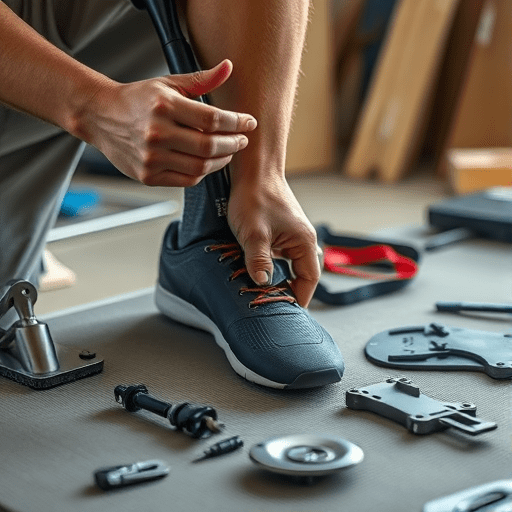
Installing vibration‑powered insoles is as straightforward as putting in standard shoe inserts. Here’s a quick checklist to get you pedal‑ready:
- Step 1: Remove the existing insoles from your shoes.
- Step 2: Slide the vibration‑powered insole in, aligning the sensor pads with the toe area for optimal contact.
- Step 3: Secure any fasteners or straps included in the kit.
- Step 4: Charge the battery fully before first use.
- Step 5: Attach the companion app (if available) and calibrate frequency and amplitude settings.
- Step 6: Begin your ride—most insoles activate automatically when the shoe is closed or via a touch button.
During rides, you’ll feel a subtle hum, similar to a low‑bass drum, which you can adjust or turn off if you prefer a silent experience. After completing your session, a gentle “charging” indicator appears on the app, reminding you to recharge.
Real‑World Feedback from Riders
“I used to dread the third day of a mountain tour because my knees would lock up,” says Emily Tran, a 38‑year‑old road cyclist. “After just a month of using vibration‑powered insoles, I noticed my recovery time cut in half and the pain was almost gone.”
Mark Rivera, a professional triathlete, reported a 15 % increase in his cycling power output after integrating the insoles into his training regimen. “The micro‑vibrations help keep the quadriceps fresh, especially during those long endurance legs,” he notes.
For commuters, the benefits extend beyond performance. Sarah Li, a city cyclist who rides 60 km daily, highlights how the insoles reduce morning stiffness and enable a smoother start to her day.
Future Trends: Smart Insoles and Beyond
As sensor technology evolves, the next generation of vibration‑powered cycling insoles will likely feature AI‑driven adaptation. Imagine a system that monitors your stride, cadence, and heart rate to deliver personalized vibration profiles in real time. Early prototypes from a handful of research labs suggest such adaptability could further mitigate injury risk.
Moreover, integrating these insoles with existing smart bike platforms could unlock new performance insights. By correlating vibration data with power output, riders might fine‑tune their cadence and pedal stroke for maximum efficiency.
In the coming years, sustainability will also be a focal point. Manufacturers are experimenting with biodegradable materials and recycled battery components to reduce the environmental footprint of these high‑tech gadgets.
Is Vibration‑Powered Insoles Right for You?
While the evidence is promising, the technology is not a universal cure. Riders with severe knee osteoarthritis or ligament instability should consult a medical professional before use. Additionally, those with sensitivity to vibration may experience discomfort during the initial adaptation phase.
For most cyclists, however, vibration‑powered insoles represent a low‑risk, low‑cost intervention that can complement traditional recovery strategies like stretching, foam‑rolling, and adequate sleep. By reducing knee strain during training, they open the door to longer, more enjoyable rides without the nagging pain that often curtails progress.
Conclusion
Vibration‑powered cycling insoles offer a cutting‑edge, science‑based approach to managing knee pain on long rides. By delivering micro‑vibrations that activate muscle reflexes, enhance joint lubrication, and improve proprioception, these devices help cyclists maintain performance while protecting their knees. As technology advances, we can expect smarter, more adaptive solutions that seamlessly integrate into the cycling ecosystem, making pain‑free riding a more attainable reality for riders of all levels.