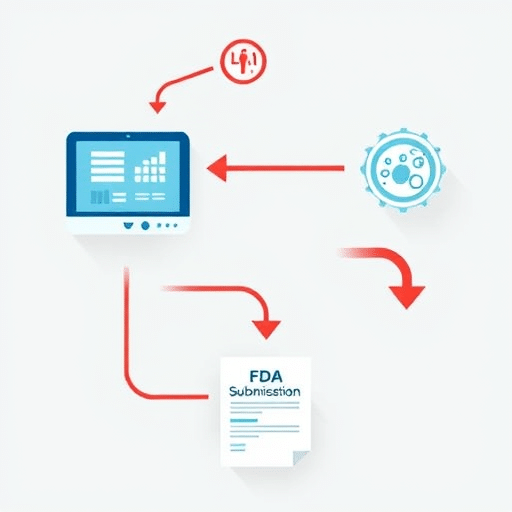
In 2026 the growing integration of wearable medical devices into routine patient care demands that clinicians not only trust the data they provide but also rigorously verify that each device meets strict accuracy standards and respects patient privacy. This audit checklist walks through every step a clinician can take—right from defining clinical goals to documenting corrective actions—to ensure that every wearable deployed in a clinical setting is both clinically reliable and privacy compliant.
Why an audit matters in 2026
Wearables have evolved from fitness trackers to sophisticated, FDA‑approved diagnostic tools capable of monitoring heart rhythm, blood glucose, and even blood oxygen saturation in real time. However, with this increased capability comes heightened risk: inaccurate readings can lead to misdiagnosis, and privacy breaches can expose sensitive health data. Auditing is the mechanism that gives clinicians confidence that their wearables meet regulatory expectations, maintain data integrity, and protect patient autonomy.
Step 1: Define Clinical Objectives and Regulatory Scope
Begin by clarifying the clinical purpose of each wearable—whether it’s for remote monitoring of chronic conditions, postoperative recovery, or clinical trials. Map each device to the relevant regulatory framework: FDA’s 21 CFR Part 820 for medical devices, EU MDR, or HIPAA for data handling. Document the intended user population, expected accuracy thresholds, and the level of data sharing with external parties. This foundational step ensures the audit is focused and aligned with both clinical workflows and compliance mandates.
Step 2: Inventory Devices and Software Versions
- Catalog every wearable in use: make, model, serial number, and firmware/software version.
- Cross‑reference with the manufacturer’s latest version to identify any pending updates or known issues.
- Maintain a central, tamper‑proven log that tracks device lifecycle events—deployment, maintenance, and decommissioning.
Regular inventory checks prevent the accidental use of outdated devices that may not meet current accuracy or privacy standards.
Step 3: Verify Accuracy Through Calibration and Validation
Accuracy validation is not a one‑time event; it requires periodic checks aligned with the device’s intended use. Follow these sub‑steps:
3.1 Calibration
- Use reference standards approved by national bodies (e.g., the International Organization for Standardization).
- Document calibration dates, methods, and results. If a device fails to meet specified tolerances, flag it for review.
3.2 Clinical Validation
- Compare wearable outputs against gold‑standard clinical measurements in a sample of patients.
- Apply statistical analysis (e.g., Bland‑Altman plots) to assess agreement.
- Establish a threshold for acceptable bias and limits of agreement before allowing the device in patient care.
By embedding calibration and validation into the audit, clinicians can confidently rely on the data for clinical decision‑making.
Step 4: Assess Data Integrity and Storage Compliance
Data integrity encompasses correctness, completeness, and traceability. Start by auditing data pipelines: from the wearable sensor to cloud storage and back to the electronic health record (EHR). Ensure:
- Secure transmission protocols (TLS 1.3 or higher).
- Checksum or hash verification at each data transfer point.
- Redundant storage solutions that comply with regional data residency laws.
- Regular data integrity checks that flag missing or corrupted files.
Maintain audit logs that record every access or modification to patient data, enabling forensic review if needed.
Step 5: Review Privacy Safeguards: Consent, Encryption, and Data Minimization
Privacy protection is a core pillar of wearable compliance. Evaluate each component:
5.1 Informed Consent
- Verify that consent forms specify data types collected, purpose, retention period, and third‑party sharing.
- Ensure consent is documented in the patient’s EHR and is revocable at any time.
5.2 Encryption
- Confirm end‑to‑end encryption using strong ciphers (AES‑256).
- Check that keys are rotated annually and stored in a Hardware Security Module (HSM).
5.3 Data Minimization
- Confirm that wearables collect only data necessary for the defined clinical objectives.
- Review retention schedules to guarantee deletion of obsolete data.
Step 6: Conduct Risk Assessment and Incident Response Planning
Risk assessment identifies potential threats—malware on the device, unauthorized access, or data loss. Use a standardized framework such as ISO/IEC 27005 to rate risks on likelihood and impact. For each high‑risk area, develop mitigation controls and an incident response plan that includes:
- Immediate containment procedures.
- Notification pathways for affected patients and regulators.
- Post‑incident root‑cause analysis and corrective action triggers.
Step 7: Document Findings and Implement Corrective Actions
Audit findings should be recorded in a structured report: summary, evidence, non‑compliance items, risk ratings, and recommended actions. Use a tracking system that assigns owners, deadlines, and status updates. When corrective actions are completed, re‑validate the affected aspects to ensure remediation was effective.
Continuous improvement cycles—audit, remediate, re‑audit—transform the audit from a compliance checkbox into a strategic quality initiative.
Conclusion
In a landscape where wearables are integral to patient care, clinicians must move beyond trusting device manufacturers and actively audit for accuracy and privacy. By following this step‑by‑step checklist, clinicians can ensure that every wearable deployed in their practice delivers reliable clinical data while safeguarding the rights and confidentiality of their patients. Regular audits not only meet regulatory expectations but also foster patient trust and drive better health outcomes in 2026 and beyond.