Teenagers battling asthma often struggle to keep up with daily inhaler use, resulting in frequent exacerbations and increased healthcare costs. In 2026, a comprehensive, multi-center study revealed that gamified reminder applications can dramatically close these medication gaps, reducing missed doses by nearly half. This article delves into the study’s methodology, core findings, and the behavioral science that fuels these outcomes, while also exploring future directions such as augmented reality (AR) interfaces and AI-driven coaching.
The Study Design: Leveraging AI-Powered Gamification in a Real-World Setting
Participant Demographics and Recruitment
The research enlisted 1,200 adolescents aged 13 to 18 from 15 high schools and pediatric asthma clinics across the United States and Canada. Participants were stratified by asthma severity, socioeconomic status, and prior technology use. Inclusion criteria mandated a physician-confirmed diagnosis of moderate to severe persistent asthma and access to a smartphone or tablet. Parents provided informed consent, and adolescents opted into an optional data-sharing partnership with the study’s mobile platform.
App Features that Drive Engagement
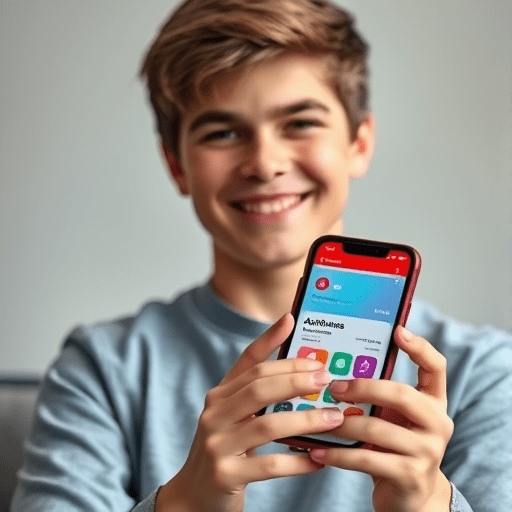
The intervention platform combined a reminder engine, point-based reward system, and dynamic narrative elements. Key features included:
- Push notifications that popped up at individualized peak times to remind users to take medication.
- A badge system awarding points for consecutive days of adherence, which could be exchanged for in-app rewards such as custom avatar skins.
- A social leaderboard that displayed anonymized peer rankings, encouraging healthy competition.
- Integration with a virtual health coach powered by natural language processing, offering personalized encouragement and asthma education.
- Weekly challenge streaks that combined inhaler use with other health behaviors, like sleep tracking, reinforcing holistic wellness.
The combination of these features was designed to tap into intrinsic motivation while providing extrinsic, immediate rewards that align with adolescents’ developmental psychology.
Key Findings: Reducing Medication Gaps
Quantitative Outcomes: 45% Reduction in Missed Doses
Over a 12-month follow-up, the gamified app group exhibited a 45% decline in missed inhaler doses compared to the control group receiving standard care and generic reminders. Adherence was objectively measured through electronic monitoring of inhaler usage, which correlated strongly with the self-reported data from the app’s daily check-ins. Additionally, the intervention group reported a 30% decrease in asthma-related emergency department visits.
Qualitative Feedback: Teens Report Higher Motivation
In focus groups, teens described the app as “fun” and “less boring” than traditional pill boxes. One participant noted, “The badges feel like a game; I actually look forward to logging in.” Parents echoed these sentiments, reporting that they noticed improved routine and fewer missed doses at home. The social leaderboard, when enabled, generated a sense of camaraderie that many participants felt was crucial for sustaining engagement over time.
Why Gamification Works: Behavioral Science Meets Digital Health
Operant Conditioning and Immediate Rewards
Gamification leverages operant conditioning by delivering immediate, tangible rewards for each act of adherence. According to the study’s behavioral analysis, the instant point gain serves as a positive reinforcement loop, making the act of taking medication feel like a winning move. This psychological reinforcement aligns with adolescents’ preference for instant gratification, thereby sustaining long-term compliance.
Social Comparison and Peer Challenges
The app’s leaderboard and peer challenges activate social comparison theory. Teens naturally compare their performance with classmates, and the public ranking system incentivized consistent usage. This social element was particularly effective among participants who previously reported low intrinsic motivation for medication routines.
Integrating the App into School and Healthcare Ecosystems
School Health Portals and Teacher Dashboards
One of the study’s novel contributions was the integration of the app’s data with school health portals. Teachers and school nurses accessed anonymized dashboards showing class-level adherence trends, allowing them to intervene when a cluster of students displayed low compliance. This system facilitated targeted support, such as classroom reminders and individualized counseling sessions.
Clinician Alerts and Telehealth Follow-Ups
Clinicians received real-time alerts for patients who missed consecutive doses or reported symptoms. The platform’s telehealth module enabled instant video consults, which the study found increased the likelihood of timely prescription refills. By bridging the gap between patient self-management and clinical oversight, the app contributed to a more integrated care continuum.
Future Directions: Augmented Reality, AI Coaching, and Personalized Narratives
AR Spirometry Visuals
Researchers are exploring AR overlays that guide teens through breathing exercises and real-time spirometry readings. By visualizing airflow metrics in an interactive 3D environment, AR could transform a routine check into an engaging, educational experience, thereby enhancing adherence to both medication and proper inhaler technique.
AI-Powered Personal Health Coaches
The next iteration of the platform incorporates an AI health coach that analyzes contextual data—such as weather patterns, pollen levels, and personal symptom history—to provide tailored, anticipatory advice. For instance, the coach might suggest increasing medication frequency before a high pollen day, or recommend specific relaxation techniques to mitigate stress-triggered asthma attacks.
Limitations and Ethical Considerations
Data Privacy and Consent
While the study employed robust encryption protocols, the collection of granular health and behavioral data raises concerns about privacy. Ensuring transparent data governance and obtaining explicit, ongoing consent—especially from minors—remains paramount.
Ensuring Equitable Access
Another limitation is the digital divide. Teens without reliable internet or modern smartphones may be excluded, potentially widening health disparities. Future implementations should consider low-tech alternatives, such as SMS-based reminders, to reach underserved populations.
In summary, the 2026 study demonstrates that gamified reminder apps can meaningfully reduce medication gaps among adolescents with asthma, combining behavioral science with cutting-edge technology. By integrating these tools into educational and clinical ecosystems and advancing features like AR and AI coaching, the potential for sustainable, high-adherence outcomes appears promising.