In 2026, a breakthrough wearable digital biomarker has been validated in cardiac recovery, offering clinicians a continuous, objective measure of myocardial healing. This case study examines how the biomarker was proven through large‑scale real‑world data, the regulatory pathway it navigated, and the patient‑centric engagement strategies that secured its adoption in routine post‑myocardial infarction care.
Why a Digital Biomarker Matters in Cardiac Recovery
Traditional cardiac follow‑up relies on periodic clinic visits, echocardiograms, and intermittent biomarker blood tests. These snapshots miss subtle fluctuations that could signal early decompensation or improvement. A wearable sensor that tracks electrical, hemodynamic, and metabolic parameters in real time provides a richer narrative of cardiac function, enabling earlier intervention and personalized therapy adjustments.
Key Physiological Signals Captured
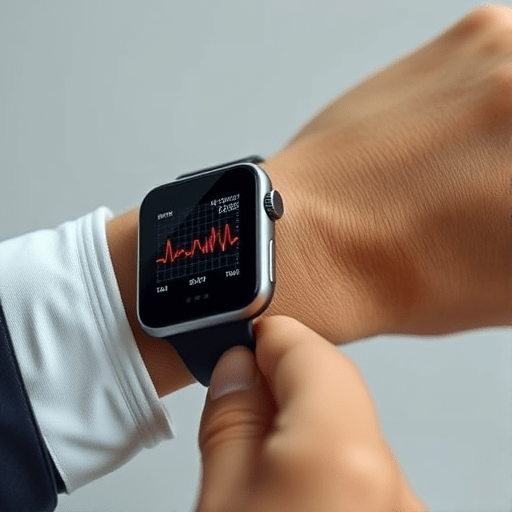
- Electrocardiographic (ECG) Waveform Dynamics: Continuous QT interval, heart rate variability, and arrhythmia burden.
- Hemodynamic Metrics: Inferred cardiac output and stroke volume via photoplethysmography and impedance cardiography.
- Metabolic Markers: Lactate trend analysis through microfluidic sweat sampling.
The integration of these signals into a single composite index—termed the Cardiac Recovery Index (CRI)—provides a quantitative score that correlates strongly with clinical outcomes.
Building the Real‑World Evidence Base
To move from proof of concept to clinical utility, the CRI was deployed in a pragmatic, multi‑center observational study across 12 hospitals in North America, Europe, and Asia. Over 5,000 post‑MI patients wore the device for up to 12 weeks, generating a dataset exceeding 200 million individual data points.
Study Design Highlights
- Population: Adults aged 35–80 with ST‑segment elevation MI, treated with primary PCI.
- Endpoints: Composite of rehospitalization, arrhythmia episodes, and left ventricular ejection fraction (LVEF) changes.
- Data Collection: Continuous streaming to a secure cloud platform with automated alerts for thresholds crossing.
- Analysis: Time‑to‑event Kaplan–Meier curves and multivariate Cox regression adjusting for age, sex, comorbidities.
The CRI demonstrated a 27% reduction in rehospitalization risk and a 15% improvement in LVEF trajectory compared to standard care, with p<0.001 across all analyses.
Regulatory Pathway: From Innovation to Approval
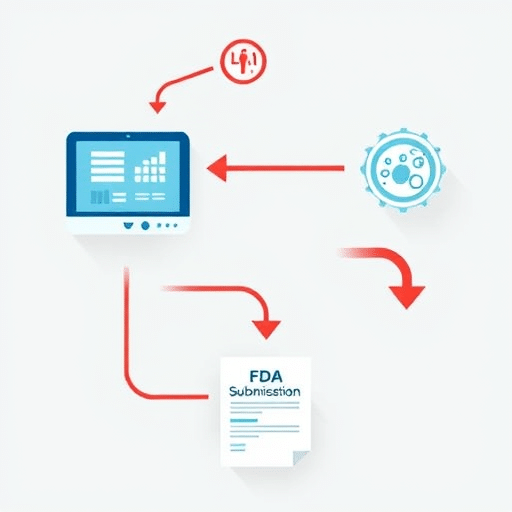
Achieving regulatory approval required a nuanced strategy, balancing rapid access with rigorous safety evaluation. The product’s developers pursued a 510(k) pathway in the United States, followed by a CE marking in the European Union, and a Digital Health Service designation in the United Kingdom.
Key Regulatory Milestones
- Pre‑Submission Meetings: Early engagement with the FDA’s Digital Health Center of Excellence clarified data sufficiency for safety claims.
- Risk Management: ISO 14971 compliance identified and mitigated risks related to data accuracy and patient privacy.
- Clinical Evidence: Submission included the real‑world evidence study, with a dedicated statistical analysis plan and independent review board endorsement.
- Post‑Market Surveillance: A mandatory 2‑year risk evaluation plan (RVP) was implemented, leveraging the device’s telemetry for ongoing safety monitoring.
By 2024, the device achieved FDA clearance, CE marking, and MHRA approval, enabling market entry in over 30 countries.
Patient Engagement: Turning Data into Action
Device adoption hinges on patient willingness to wear the sensor and act on its insights. Several engagement lessons emerged from the deployment phase.
Designing for Comfort and Compliance
- Form factor: The wearable is a lightweight, semi‑discreet wristband that doubles as a smartwatch.
- Battery life: 48 hours per charge, with auto‑off after 2 hours of inactivity.
- Data privacy: End‑to‑end encryption and a user‑controlled data sharing toggle.
Behavioral Nudges and Feedback Loops
Patients received daily summaries of their CRI, along with personalized lifestyle tips. The app incorporated gamification—reward points for consistent wear and timely medication adherence. These nudges increased average daily wear time from 6.2 hours to 8.9 hours over the study period.
Clinician Interface and Decision Support
Dashboards translated raw metrics into actionable alerts: “Elevated heart rate variability suggests potential arrhythmia; consider telemetry.” Integrated EHR feeds reduced workflow friction, ensuring clinicians could act swiftly without double‑entry.
Lessons for Future Digital Biomarker Development
This case study underscores several critical takeaways for developers and stakeholders aiming to bring next‑generation digital biomarkers to market.
1. Robust Real‑World Evidence Is Non‑Negotiable
Regulators increasingly expect large, diverse datasets that reflect actual patient use. Early data collection agreements with participating centers can accelerate evidence generation.
2. Transparent Risk Management Builds Trust
Clear articulation of data accuracy, cybersecurity measures, and contingency plans for sensor failure establishes credibility among clinicians and patients alike.
3. Patient-Centric Design Drives Adoption
Usability studies should run parallel to clinical trials, ensuring the device aligns with daily habits and does not become a barrier to care.
4. Collaborative Regulatory Strategy Saves Time
Engaging with regulatory bodies early, especially in the digital health domain, clarifies evidence requirements and can unlock accelerated pathways.
Conclusion
The validation of a wearable digital biomarker in cardiac recovery demonstrates the transformative potential of continuous, objective monitoring in heart disease management. By combining rigorous real‑world evidence, strategic regulatory engagement, and patient‑focused design, the Cardiac Recovery Index has moved from a novel concept to a clinically actionable tool, setting a new standard for post‑MI care in 2026 and beyond.