For anyone who has ever watched an indie game stream and dreamed of turning that pastime into a paid gig, the path to profitability can feel like a maze. In 2026, the streaming ecosystem has evolved dramatically: AI‑powered content curation, NFT marketplaces integrated directly into streaming platforms, and cross‑platform live events in the metaverse are now mainstream. This 90‑day plan leverages those new tools while staying grounded in proven strategies for building an audience, engaging fans, and generating multiple income streams. By the end of the month, you’ll have a solid brand, a technical foundation, and a monetization roadmap that turns casual play into a sustainable career.
1. Understand Your Indie Portfolio
The first step is a deep dive into the indie titles you love to play. Choose games that:
- Have a strong community or niche following.
- Offer unique gameplay mechanics that are easy to explain on camera.
- Benefit from visual appeal and replay value.
Make a spreadsheet with game name, developer, release date, community size, and potential partnership opportunities. This research will inform both your content calendar and your outreach strategy.
Audience Mapping
Identify the typical viewer demographic for each game: age group, interests, platform preferences. Use tools like Twitch Insights, YouTube Analytics, and Discord server analytics to refine your target persona. Tailor your stream style—casual commentary, speedrun focus, or deep‑dive tutorials—to that persona.
2. Build a Brand Around Your Games
Consistency in branding is critical. In 2026, viewers flock to creators who offer a recognisable visual and auditory identity across all touchpoints.
- Logo & Stream Overlay: Use a bold, game‑centric logo and overlay that includes a “Follow” button, real‑time donation ticker, and a small section for your NFT wallet.
- Catchphrase & Tagline: Craft a memorable tagline that encapsulates your niche (e.g., “Unlocking hidden gems, one indie title at a time”).
- Sound Design: Invest in a signature intro jingle and notification sounds that are subtle yet brand‑specific.
3. Technical Setup for 2026
Modern streamers need a tech stack that can handle high‑resolution video, low latency, and multi‑platform output. Here’s a quick rundown:
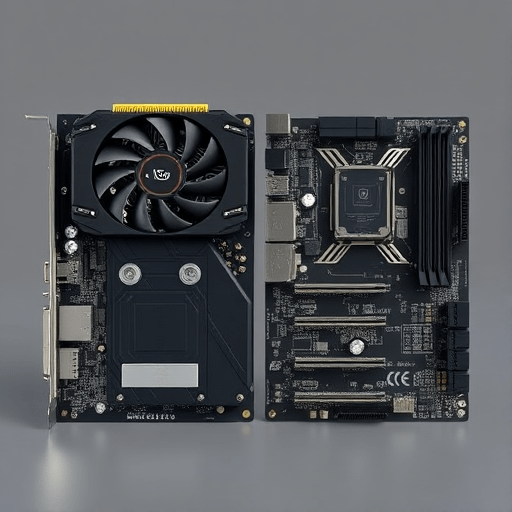
- Hardware: A mid‑range CPU (Intel i7 or AMD Ryzen 7), 16GB RAM, and a high‑speed SSD. A dual‑monitor setup is a must.
- Software: Use OBS Studio with a dedicated streaming profile, or consider Streamlabs Prime for built‑in widgets that support NFTs and micro‑donations.
- Internet: 100 Mbps upload speed with <10 ms latency. If possible, enable 5G edge computing for lower buffering on mobile streams.
- Cross‑Platform Integration: Set up your stream to auto‑post to Twitch, YouTube Live, and the newly popular MetaStream (a metaverse streaming platform) using a single dashboard.
Incorporate AI assistants that can auto‑generate highlights, captions, and even audience reaction prompts, freeing you to focus on gameplay.
4. Content Calendar & Consistency
Structure your content around the game’s life cycle: launch, update, anniversary, community events. A typical 90‑day calendar looks like this:
- Week 1–2: Game Intro & Community Polls – Answer FAQs, set expectations, and build hype.
- Week 3–4: Deep Dive & Tutorial Series – Break down game mechanics, showcase hidden features.
- Week 5–6: Speedrun & Challenge Weeks – Invite community members to compete; record top plays.
- Week 7–8: Developer AMA & Behind‑the‑Scenes – Collaborate with the game’s devs.
- Week 9–10: Meta‑Event Live Streaming – Host a virtual “Launch Party” on MetaStream, integrating NFT drops.
- Week 11–12: Community Review & Future Planning – Solicit feedback, adjust strategy.
Stick to a 4‑hour block each weekday, and a 6‑hour block on weekends to maximize visibility during peak hours.
5. Monetization Channels (2026 Edition)
Monetizing a stream now means blending traditional revenue streams with emerging tech.
5.1 Subscriptions & Memberships
Platforms still reward high‑frequency content. Offer tiered memberships (free, $5, $10, $20) with perks: custom emotes, exclusive chat rooms, behind‑the‑scenes footage.
5.2 NFT Drops & Virtual Merchandise
Leverage the in‑stream NFT marketplace. Create limited‑edition artwork or in‑game items that viewers can purchase with crypto. Promote drops during peak streaming times.
5.3 Micro‑Donations & Tip Bots
Use AI‑driven tip bots that suggest donation amounts based on viewer engagement. Integrate a “Micro‑Support” button that allows fans to tip in micro‑tokens (e.g., $0.01 increments).
5.4 Brand Partnerships & Sponsorship Matching
Platforms now feature AI‑matching for sponsorships. Target companies aligned with indie culture (e.g., boutique hardware, indie game studios, game‑related SaaS). Pitch collaborations that feel organic: “We’ll showcase your tool while playing Game X.”
5.5 Meta‑Event Ticket Sales
Host paid virtual events on MetaStream. Offer early‑bird ticket pricing, VIP meet‑and‑greet, and exclusive in‑world collectibles.
6. Community Engagement & Data‑Driven Growth
Building a fan base is about trust and interaction. Implement the following:
- Discord Integration: Create a Discord server with roles linked to subscription tiers.
- Real‑Time Polls & Q&A: Use OBS plugins to display live polls and answer questions in real time.
- Gamified Rewards: Award points for comments, shares, or donations that can be redeemed for merch or NFTs.
- Analytics Dashboards: Track viewer retention, average watch time, and donation patterns with a custom dashboard built on Streamlabs API.
Adjust your content based on these metrics—double down on segments that keep viewers engaged the longest.
7. Scaling & Diversifying Income
Once you’ve hit a steady stream of subs and donations in the first 60 days, consider the following expansions:
- Start a podcast discussing indie game trends.
- Publish tutorial videos on YouTube monetized via ads and sponsorships.
- Offer coaching services to aspiring indie streamers.
- Partner with indie studios for exclusive early access streams.
Always keep an eye on emerging platforms—2026 sees a rise in AR/VR streaming, so explore cross‑device content.
8. Avoid Common Pitfalls
- Over‑Promising: Set realistic goals for viewers and partners.
- Neglecting Legalities: Secure clear licenses for game music and copyrighted content.
- Ignoring Feedback: Regularly solicit and implement community suggestions.
- Burnout: Schedule rest days; maintain a healthy work‑life balance.
9. Tracking Success in 90 Days
Create a KPI dashboard that tracks:
- Monthly recurring revenue (subscriptions + donations)
- Average view duration
- Community growth rate (Discord members, social followers)
- Content engagement (likes, comments, shares)
- ROI on NFT drops and sponsored content
Set weekly checkpoints: at the end of weeks 4, 8, and 12, review these metrics, adjust your strategy, and celebrate milestones.
10. Next Steps Beyond 90 Days
After the first 90 days, you’ve established a brand, a technical stack, and a monetization pipeline. The next 30 days should focus on:
- Scaling content frequency without sacrificing quality.
- Expanding into new platforms like VR streaming or blockchain‑based content sharing.
- Securing long‑term sponsorship deals.
- Building a network of indie game collaborators for joint streams.
With this roadmap, you’re not just streaming indie games—you’re building a profitable, sustainable career.