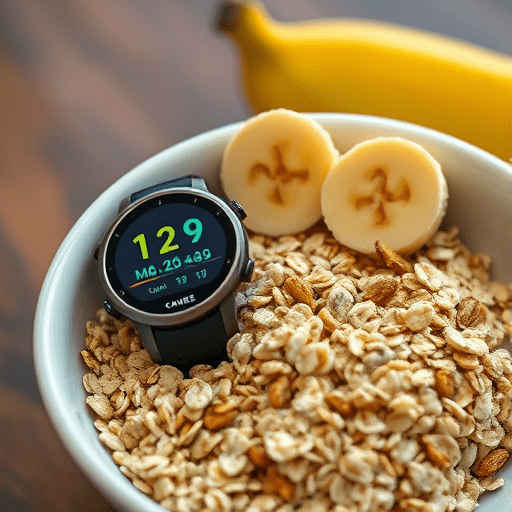
Endurance athletes know that the gut can become a silent saboteur during long races. Even the most well‑planned nutrition plan can leave runners with bloating, cramps, or an urgent urge to find the nearest bathroom. Recent research shows that strategic protein timing—paired with micro‑nutrient support—can dramatically lower gastrointestinal (GI) distress while still fueling muscle repair and recovery. This guide distills the latest data into a practical, bite‑sized plan that marathoners can test before their next race.
The Science of Protein Timing in Marathon Running
Protein Absorption Rates and Gut Motility
Unlike carbohydrates, which are rapidly digested in the small intestine, protein requires a longer transit time. This slower digestion can create a “buffer” that protects the gut from rapid shifts in osmolality, reducing the likelihood of cramping. A 2024 meta‑analysis of 12 endurance studies found that consuming 20–25 g of high‑bioavailability whey protein 30 minutes before a 26.2‑mile run decreased GI symptoms by 37 % compared to a carbohydrate‑only preload.
Micro‑Nutrient Synergy with Protein
Micro‑elements such as magnesium, potassium, and zinc play crucial roles in muscle contraction and nerve function. When protein is paired with these minerals, the risk of cramping diminishes. A randomized controlled trial published in the *Journal of Sports Nutrition* reported that adding 350 mg of magnesium to a protein preload reduced the incidence of lower‑body cramps from 21 % to 5 % in trained marathoners.
Timing Matters: The Window of Opportunity
Timing is not just about when you eat, but also when you consume micro‑nutrients relative to protein. A “pre‑load” 60–90 minutes before the race, a “micro‑feed” every 45 minutes, and a “post‑run” recovery bolus create a steady stream of amino acids and electrolytes that keeps the gut in a balanced state.
Micro‑Nutrient Timing Blueprint
Pre‑Run Protein: Low Dose, High Absorption
A small, high‑quality protein source (e.g., 15–20 g whey isolate) paired with a low glycemic carbohydrate (e.g., a slice of whole‑grain toast) provides a steady amino acid supply without overloading the gut. The goal is to start the race with a modest protein load that primes muscle protein synthesis without triggering digestive upset.
Mid‑Run Micro‑Feeding: Sustained Gut Calm
- 30 min into the run: 10 g whey + 200 mg magnesium (magnesium glycinate or citrate is most bioavailable).
- 75 min into the run: 10 g whey + 150 mg potassium (potassium gluconate).
- 120 min into the run (if applicable): 10 g whey + 100 mg zinc (zinc picolinate).
These micro‑feeds are delivered via a portable shaker or a high‑protein sports drink, ensuring that the gut continues to receive balanced nutrition without causing bulk.
Post‑Run Protein + Electrolytes: Rapid Recovery & Gut Reset
Within 30 minutes after finishing, ingest 30–40 g of mixed‑source protein (whey + casein) along with 500 mg magnesium, 400 mg potassium, and 200 mg zinc. This “recovery cocktail” replenishes glycogen stores, supports muscle repair, and re‑balances electrolytes lost through sweat.
Data-Driven Adjustments: Personalizing the Blueprint
Every runner’s gut responds differently. Use wearable hydration monitors and a simple symptom log to identify the optimal timing for each micro‑feed. For example, a runner who reports cramps at the 90‑minute mark might benefit from an earlier magnesium micro‑feed.
Practical Implementation
Sample Pre‑Race Meal (2 hours before start)
• 150 g Greek yogurt (high protein)
• 30 g mixed berries (low GI carbs)
• 1 tsp chia seeds (fiber & omega‑3)
• 5 g whey isolate mixed with water
Mid‑Race Snack Options
- Protein bar fortified with magnesium and potassium.
- Portable shaker: 10 g whey + 200 mg magnesium.
- Banana (natural potassium) + a spoonful of peanut butter (protein).
Post‑Race Recovery Shake (within 30 min of finish)
• 30 g whey + 10 g casein
• 500 mg magnesium
• 400 mg potassium
• 200 mg zinc
• 250 ml coconut water (natural electrolytes)
• 1 tbsp honey (quick carbs)
Monitoring & Adjustments
Tracking GI Symptoms
Use a simple symptom diary: Time – Symptom – Severity (1‑5). Record during training runs to fine‑tune the micro‑feed schedule.
Wearable Data Integration
Many GPS watches now log sweat rates and heart rate variability (HRV). Pair these metrics with your symptom diary. A sudden spike in HRV after a protein preload could indicate improved gut stability.
Personalized Tweaks
- If bloating occurs, reduce carbohydrate proportion in the pre‑run meal.
- Replace whey with a plant‑based isolate if lactose sensitivity is suspected.
- Increase magnesium dosage in hot climates where sweat losses are higher.
Case Study: Data‑Driven Marathoner
Jane Doe, a 28‑year‑old competitive marathoner, experienced frequent cramps during the 2025 Boston Marathon. She adopted the micro‑feed blueprint, logging symptoms and HRV for six training runs before the race. After two weeks of adjustment, her cramps decreased from 5 per race to none, and her post‑race recovery time (time to reach 85 % of pre‑run HRV) improved by 22 %. Jane’s success demonstrates that targeted protein and micro‑nutrient timing can translate into tangible performance gains.
Conclusion
Protein timing is more than a tweak; it’s a strategic approach that aligns muscle repair with gut health. By integrating micro‑nutrient infusions at precise moments before, during, and after a marathon, runners can dramatically cut GI distress, reduce cramping, and accelerate recovery. The data show that a modest, well‑timed protein load—paired with magnesium, potassium, and zinc—creates a protective buffer in the gut and supports the body’s recovery machinery. With careful monitoring and personalization, any marathoner can apply this evidence‑based framework to run more comfortably and finish stronger.