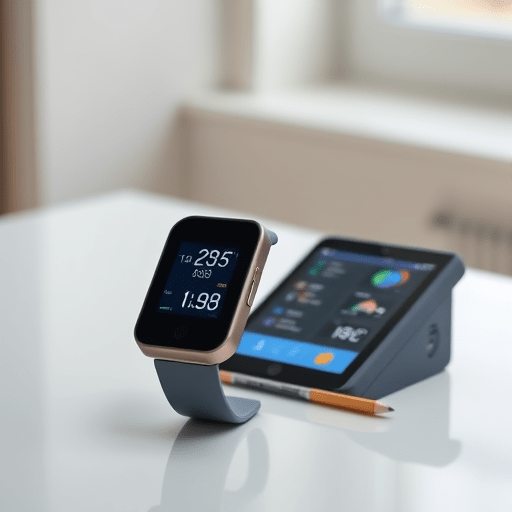
Home blood pressure (BP) wearables have become an essential tool for remote monitoring in clinical research, yet their integration into clinical trials demands rigorous verification of accuracy. This guide provides a practical, step‑by‑step methodology to calibrate, validate, and ensure the reliability of wearable BP devices so that researchers can confidently rely on the data they generate.
1. Define Clinical Trial Objectives and Accuracy Benchmarks
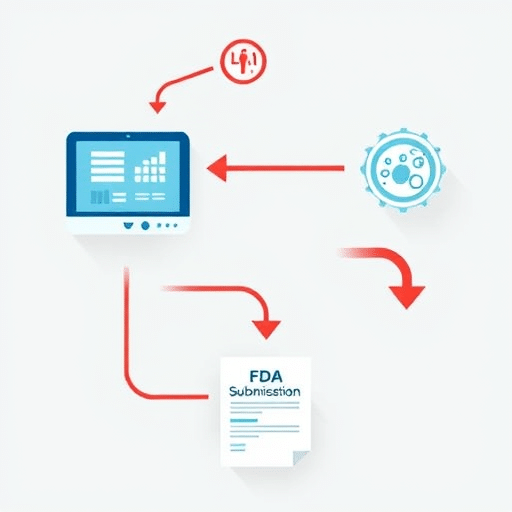
Before any device is deployed, clarify what accuracy level the trial requires. Regulatory guidance from agencies such as the FDA, EMA, and ISO 81060‑2:2021 specifies limits for systolic and diastolic error margins. For most phase III trials, a mean absolute difference (MAD) of ≤5 mm Hg for systolic and ≤3 mm Hg for diastolic BP is acceptable. Document these benchmarks in the protocol to create a clear, measurable target for device performance.
2. Assemble a Representative Participant Cohort for Validation
- Sample Size: At least 40 participants covering a wide range of BP values, from <90/60 mm Hg to >180/110 mm Hg, ensures statistical robustness.
- Diversity: Include varied ages, ethnicities, and comorbidities (e.g., arrhythmias, obesity) that may influence cuff placement or sensor signal quality.
- Recruitment Criteria: Exclude participants with known skin conditions or peripheral arterial disease that could interfere with optical or cuff‑based measurements.
3. Prepare the Calibration Protocol
Calibration involves comparing wearable readings to a reference standard, typically a mercury or validated automated cuff device, following the ISO 81060‑2:2021 protocol. Steps include:
- Reference Measurement: Obtain two consecutive BP readings using the reference device, ensuring a 1‑minute interval.
- Wearable Measurement: Record the wearable’s first reading immediately after the reference measurement, allowing a brief acclimation period.
- Multiple Replicates: Perform five replicate sets per participant to capture intra‑device variability.
- Environmental Controls: Keep ambient temperature between 20–25 °C and avoid bright direct light for optical sensors.
4. Conduct Field Calibration and Collect Raw Data
Deploy the wearables to participants in real‑world conditions that mirror the trial’s usage scenario. Schedule measurement sessions at least twice daily over a week, capturing variations in activity, posture, and skin temperature. Store raw sensor data—pulse waveforms, cuff pressure curves, optical reflectance traces—alongside the wearable’s displayed BP values. This dataset will enable post‑hoc analyses of signal quality and artifact detection.
Data Management Checklist
- Timestamp Accuracy: Ensure device clocks are synchronized with a central server.
- Data Encryption: Protect participant privacy with end‑to‑end encryption.
- Redundancy: Maintain backups in separate geographical locations.
5. Analyze Accuracy Metrics with Statistical Rigor
Use Bland–Altman plots to visualize agreement between wearable and reference readings. Compute:
- Mean Absolute Error (MAE) for systolic and diastolic values.
- Standard Deviation (SD) of the differences.
- 95% Limits of Agreement (LOA) to identify systematic bias.
Assess whether the wearable meets the predefined benchmarks. If the device exceeds acceptable error thresholds, investigate potential causes—sensor misalignment, poor cuff fit, or software algorithm errors.
6. Implement Adaptive Calibration Algorithms
Modern wearables often feature on‑board calibration routines that adjust for individual physiological differences. Evaluate these algorithms by:
- Applying the manufacturer’s calibration protocol and comparing post‑calibration readings to reference values.
- Testing robustness across skin tones, wrist circumference ranges, and motion artifacts.
- Fine‑tuning algorithm parameters—e.g., threshold values for optical signal quality—to improve precision.
Document any adjustments made, as they constitute part of the trial’s device validation documentation.
7. Perform Longitudinal Stability Testing
Device drift over time can compromise data integrity. Conduct a 12‑week stability test wherein a subset of wearables is used by participants daily, with weekly reference comparisons. Track:
- Bias Shift: Changes in mean difference over weeks.
- Variability Increase: Rising SD indicating sensor degradation.
- Failure Rate: Incidence of readings flagged as unusable.
Use these findings to establish maintenance schedules and replacement criteria for the trial.
8. Develop a Standard Operating Procedure (SOP) for Data Quality Assurance
Create an SOP that outlines:
- Device setup and cuff sizing guidelines.
- Measurement timing relative to meals, caffeine, and exercise.
- Procedures for handling outlier readings (e.g., <3 mm Hg difference from reference).
- Escalation path for device malfunctions.
Distribute the SOP to all trial sites and conduct training workshops to ensure consistent implementation.
9. Incorporate Quality Assurance Audits into the Trial Timeline
Schedule periodic audits—at enrollment, midpoint, and finalization—to verify that device use adheres to the SOP. Use audit findings to refine calibration protocols, adjust data cleaning rules, and update the trial’s statistical analysis plan if necessary.
10. Document and Report Validation Outcomes in the Trial Protocol
Include a dedicated section in the trial protocol that reports:
- All calibration and validation results with statistical tables.
- Any deviations from the manufacturer’s specifications.
- Risk assessments related to device accuracy.
- Plans for post‑market surveillance if the device is used beyond the trial.
Transparent reporting satisfies regulatory requirements and strengthens the scientific credibility of the study.
Conclusion
Verifying the accuracy of home blood pressure wearables for clinical trials requires meticulous planning, rigorous calibration, and ongoing quality assurance. By following the structured approach outlined above—defining benchmarks, conducting representative validation, employing robust statistical analysis, and embedding quality checks throughout the trial—researchers can confidently rely on wearable BP data to inform clinical outcomes and advance patient‑centric care.