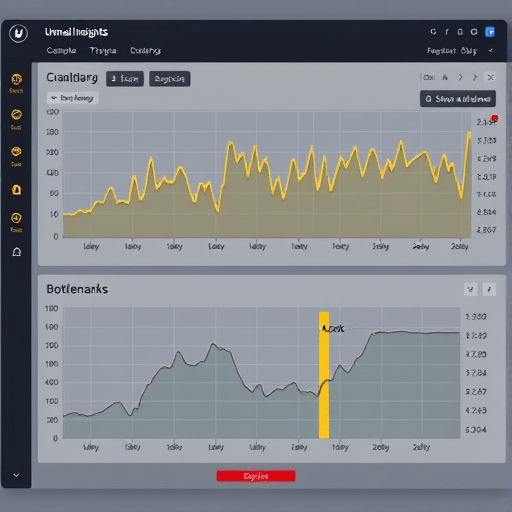
In an industry dominated by major storefronts, indie developers are increasingly turning to alternative distribution channels to capture underserved markets. Indie game distribution on alternative platforms for niche audiences offers a pathway to bypass high fees, gain creative control, and cultivate passionate fan bases that traditional channels often overlook. By strategically targeting these audiences, developers can not only grow sales but also foster deeper community engagement.
1. The Rising Tide of Alternative Storefronts
Over the past decade, the number of independent game stores has exploded. From itch.io and Game Jolt to niche platforms like GOG’s Indie Corner and Humble Bundle’s Indie Library, developers now have a spectrum of options that cater to specific genres, cultural preferences, and regional tastes. These sites often offer lower commission rates, flexible pricing models, and a more intimate audience, allowing creators to showcase games that might not fit mainstream market criteria.
2. Why Underserved Markets Matter
Underserved markets are characterized by unique cultural contexts, language preferences, and gameplay expectations that mainstream storefronts frequently miss. By focusing on these segments, developers can:
- Reduce competition from major titles.
- Earn higher profit margins through tailored pricing.
- Build brand loyalty that can translate into long-term support.
- Access valuable feedback loops that inform future projects.
When you think about it, tapping into a specific demographic—such as the retro pixel-art enthusiasts in Southeast Asia or the mobile-first gamers in sub-Saharan Africa—can yield disproportionate returns compared to a broad, generic launch.
3. Identifying Your Niche Audience
Successful niche targeting starts with data. Combine demographic research, platform analytics, and community listening to pinpoint where your game fits best.
3.1 Use Platform Analytics
Most alternative storefronts provide insights into geographic distribution, device usage, and engagement metrics. Scrutinize these reports to find clusters of players who align with your game’s themes.
3.2 Engage in Community Forums
Reddit subreddits, Discord servers, and niche gaming blogs are goldmines of feedback. Ask questions, share prototypes, and gauge interest before launching.
3.3 Leverage Social Listening Tools
Tools like Brandwatch or Talkwalker let you monitor conversations around specific genres or cultural motifs, revealing trends you can capitalize on.
4. Building a Platform-First Strategy
Instead of treating alternative storefronts as an afterthought, design your release around them from the outset.
- Custom Storefront Integration: Use APIs to sync updates, DLC, and patch notes directly to the platform, ensuring a seamless player experience.
- Localized Marketing Assets: Translate game descriptions, screenshots, and trailers into the languages of your target market.
- Pricing Flexibility: Offer region-specific pricing tiers, microtransactions, or pay-what-you-want models that resonate with local purchasing habits.
- Exclusive Content: Release platform-exclusive skins, soundtrack bundles, or early access to incentivize adoption.
5. Leveraging Community-Driven Platforms
Community-centric storefronts thrive on trust and authenticity. By fostering a reciprocal relationship, developers can unlock powerful word-of-mouth marketing.
5.1 Create a Feedback Loop
Regularly post updates, solicit player suggestions, and iterate quickly. Platforms that enable in-game analytics make this process smoother.
5.2 Host Live Q&A Sessions
Schedule scheduled talks on Discord or Twitch where players can ask questions, see behind-the-scenes development, and feel part of the journey.
5.3 Encourage User-Generated Content
Offer modding support or in-game tools that let players craft new levels or skins. This not only extends lifespan but also generates organic promotion.
6. Monetization Models Beyond the App Store
Alternative platforms provide access to a variety of revenue streams that bypass traditional store constraints.
6.1 Direct Sales and Pay-What-You-Want
Platforms like itch.io allow developers to set a base price while giving players the option to pay more, often generating higher revenue from dedicated fans.
6.2 Crowdfunding Integration
Link Kickstarter or Indiegogo campaigns directly within the storefront. This streamlines backer acquisition and reduces friction.
6.3 Subscription Services
Offer a monthly subscription that grants access to your entire library or a rotating selection of indie titles, creating predictable income and community bonding.
7. Marketing Tactics That Work in Small Circles
In niche markets, large-scale advertising is rarely cost-effective. Instead, focus on trust-building and relevance.
- Influencer Partnerships: Collaborate with micro-influencers who have high engagement in your target community.
- Localized Events: Host virtual tournaments or themed events that align with cultural holidays or local interests.
- Content Localization: Translate not only language but also cultural references, humor, and imagery to resonate deeply.
- Community Polls: Let players decide on future features, creating a sense of ownership.
8. Measuring Success and Scaling
Adopting alternative platforms requires clear metrics to gauge impact.
8.1 Key Performance Indicators (KPIs)
- Sales volume per region.
- Average revenue per user (ARPU).
- Community growth rates on Discord, forums, or in-platform communities.
- Retention curves and lifetime value (LTV).
8.2 A/B Testing
Experiment with different pricing models, marketing copy, and launch timing. Platforms that allow quick iteration make testing effortless.
8.3 Scaling to New Platforms
Once a strategy proves successful on one niche platform, replicate it on another that shares similar demographics. Cross-promotion can accelerate growth.
In 2026, the indie game ecosystem has become more fragmented yet more accessible than ever. By aligning your distribution strategy with the unique characteristics of underserved markets, you can transform niche interest into sustained revenue and a devoted community. The key lies in listening, adapting, and delivering value where it matters most.