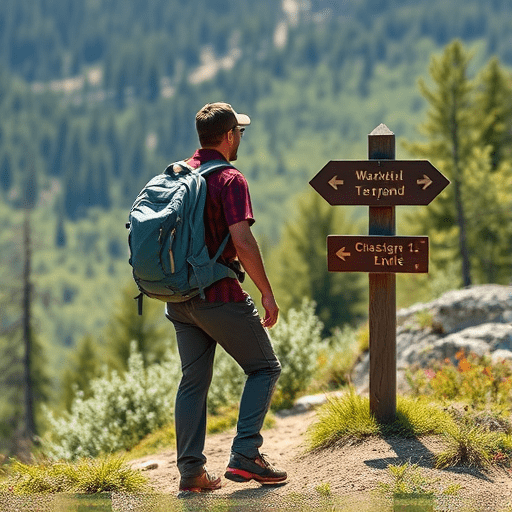
Embarking on a first hiking adventure is thrilling, but the trail head can be a minefield of hidden hazards. If you want to keep the focus on the scenic views rather than emergency rooms, it’s essential to recognize and sidestep the seven most common injury traps that new hikers often encounter. This guide blends expert safety wisdom with a handy checklist, giving you the confidence to tackle the trail head safely and enjoy your first trek.
1. Misstep: Choosing the Wrong Footwear
Footwear sets the foundation for a safe hike. Many first‑time hikers underestimate the impact of inadequate shoes, leading to blisters, sprains, and loss of traction. Pick shoes that fit well, provide ankle support, and have reliable grip.
- Fit Over Fashion: Shoes that are too tight or loose cause blisters; try them on with hiking socks before buying.
- Traction Matters: Look for rubber soles with deep lugs for uneven terrain.
- Break Them In: Walk around the block in your new shoes at home to soften the material.
- Replace When Needed: Wear out shoes after 100–150 miles depending on terrain.
2. Ignoring Weather Forecasts
Weather changes abruptly on the backcountry. Skipping a forecast can trap you in dangerous conditions—heavy rain, lightning, or sudden temperature drops.
- Check Multiple Sources: Use local weather apps, NOAA, and trail‑specific websites.
- Plan for the Worst: If rain is predicted, pack a waterproof jacket and plan an alternate route.
- Know the Seasonal Patterns: Mountain trails may freeze overnight even in summer.
- Set a Weather Cut‑off: If the forecast shows severe conditions, postpone your hike.
3. Skipping Proper Hydration
Dehydration can lead to heat exhaustion, cramps, and impaired judgment—especially for new hikers who underestimate water needs.
- Hydration Goal: Aim for 0.5–0.75 liters per hour in moderate conditions.
- Carry a Refillable Bottle: Use a 2–3 liter bottle with a built‑in filter if water sources are unreliable.
- Check Temperature: Cooler water is more refreshing; warm water can reduce thirst.
- Monitor Urine Color: Pale yellow indicates adequate hydration.
4. Overpacking Gear
Too much gear turns a light walk into a heavy slog, causing fatigue and increasing the risk of falls.
- Pack the Essentials: Food, water, first aid, navigation, rain gear.
- Use a Load‑Sling: Distribute weight evenly across shoulders.
- Prioritize Weight: Keep the heaviest items low and close to your center of gravity.
- Review the Gear List: Remove redundant items before heading out.
5. Neglecting Trail Markers
Trail heads often have complex signage, especially on multi‑trail junctions. Skipping markers can lead to wrong turns or getting lost.
- Study the Map: Familiarize yourself with the trail layout before you go.
- Read the Signage: Look for directional signs, hazard warnings, and distance markers.
- Carry a GPS or Compass: Use them to double‑check your position.
- Plan Backup Routes: Know how to exit the trail if you veer off.
6. Failure to Inform Someone
Letting a friend or family member know your route and expected return time is a basic safety step that many first‑time hikers skip.
- Share a Detailed Plan: Include trail name, distance, start time, and estimated finish.
- Use a Tracking App: Apps like AllTrails or Gaia GPS allow real‑time location sharing.
- Schedule Check‑Ins: Set a phone call or text at regular intervals.
- Plan a Backup Plan: Know what to do if you don’t arrive back on time.
7. Inadequate Physical Conditioning
Physical readiness determines how well you handle the trail’s demands. A lack of conditioning can lead to overexertion injuries.
- Build Endurance: Start with short walks and gradually increase distance.
- Strengthen Muscles: Focus on legs, core, and balance exercises.
- Rest & Recover: Allow at least 48 hours of recovery between hikes.
- Check Your Health: Get a medical check if you have chronic conditions.
The Actionable Checklist for Your Trail Head
Use this step‑by‑step checklist to ensure you’re fully prepared before you hit the trail.
- Footwear: Try on shoes, lace properly, and test for comfort.
- Weather: Verify the forecast, set a cut‑off, and pack a waterproof jacket.
- Hydration: Carry a refillable bottle, have a plan for water sources.
- Gear: Follow the essentials list, distribute weight evenly.
- Trail Markers: Study the map, read all signage, and carry a GPS.
- Information: Inform a contact, share route details, and schedule check‑ins.
- Conditioning: Warm up, stretch, and assess your physical readiness.
By treating the trail head as the first step in a journey of preparedness, you reduce the risk of injury and create space to truly enjoy the adventure. New hikers often feel overwhelmed by the sheer amount of gear and information, but this guide narrows the focus to the seven most common traps and gives you a clear, actionable plan to stay safe.