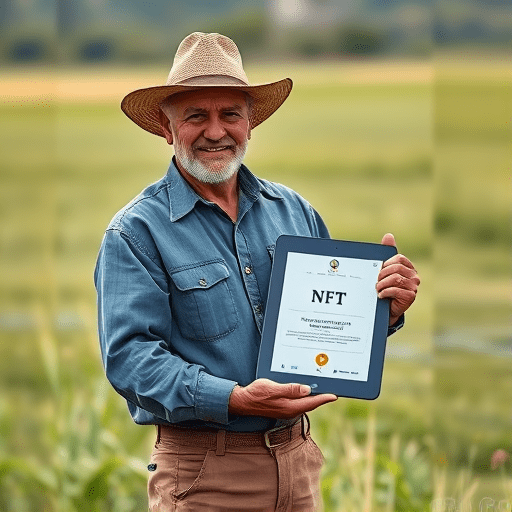
In the evolving landscape of agricultural finance, NFT tokenization for land rights in Kenya has emerged as a transformative tool that empowers farmers to secure, verify, and manage their land titles digitally. By converting physical land deeds into blockchain‑based non‑fungible tokens (NFTs), farmers can protect their ownership, facilitate transparent transactions, and access new financing avenues. This guide walks you through the entire process, from legal groundwork to minting and managing your land NFT, so you can confidently claim your piece of the earth.
1. Understand the Legal Framework for Land Titles in Kenya
Before diving into blockchain, it’s crucial to grasp Kenya’s land registration system. The Land Registration Act (2007) mandates that all land transactions be recorded with the Land Registry. Titles are issued as Title Deeds, which are the legal proof of ownership.
Key Steps:
- Verify the Title Deed: Obtain a certified copy from the Land Registry and confirm its authenticity.
- Check for Liens and Encumbrances: Ensure no pending disputes or mortgage claims exist.
- Secure a Certified Copy: For NFT minting, a certified digital image or PDF of the deed is required.
Only after confirming the deed’s validity can you proceed to tokenize it. Working with a local lawyer familiar with both land law and blockchain technology can smooth this step.
2. Choose the Right Blockchain Platform
Kenyan farmers often opt for public blockchains that balance security, cost, and accessibility. The most popular choices in 2026 include Ethereum (Layer 2 solutions like Arbitrum), Polygon, and Solana. Each has its own advantages:
- Ethereum (Arbitrum): High security, vast developer ecosystem.
- Polygon: Low gas fees, fast confirmations.
- Solana: Ultra‑fast transactions, but less mainstream for NFTs.
When selecting a platform, consider:
- Transaction fees (gas costs).
- Community and support.
- Integration with Kenyan payment gateways for future financing.
3. Set Up a Digital Wallet and Secure Your Keys
All NFT operations require a digital wallet that can hold both the NFT and any future tokens. Popular wallets for Kenya include MetaMask, Phantom (Solana), and Trust Wallet (supports multiple chains).
Security Checklist:
- Store your seed phrase offline in a fire‑proof safe.
- Enable two‑factor authentication on wallet services.
- Regularly back up your wallet data.
Never share your private key or seed phrase. Treat them as the digital keys to your land.
4. Create a Metadata Record for Your Land
The NFT’s metadata describes the land’s characteristics and legal details. This record should be immutable and publicly accessible. A typical metadata JSON might look like this:
{
  "name": "Kenyan Farmer Land Title #1234",
  "description": "Tokenized land title for 0.5 ha in Kiambu County, Kenya.",
  "image": "https://ipfs.io/ipfs//deed.jpg",
  "attributes": [
    {"trait_type": "Location", "value": "Kiambu County"},
    {"trait_type": "Size", "value": "0.5 ha"},
    {"trait_type": "Legal Status", "value": "Fully registered, no liens"},
    {"trait_type": "Owner", "value": "John Mwangi"}
  ],
  "external_url": "https://landregistry.go.ke/title/1234"
}
Upload the image (a clear scan of the title deed) and the JSON to IPFS (InterPlanetary File System) or another decentralized storage solution. The resulting CID (Content Identifier) will be embedded in the NFT.
5. Mint the NFT on Your Chosen Platform
Once you have the metadata hosted, you can mint the NFT. Here’s a quick walkthrough using Polygon:
- Connect Wallet: Open the marketplace (e.g., OpenSea or a dedicated land NFT platform) and connect your wallet.
- Choose “Create” or “Mint”: Paste the IPFS URL of your metadata.
- Confirm Gas Fees: Review the transaction fee and click “Confirm.”
- Verify Mint: After the transaction is mined, you’ll see the NFT appear in your wallet.
For Ethereum or Solana, the steps are similar but the transaction fees and interface may differ slightly. Always double‑check the metadata before finalizing the mint.
6. Register the NFT with Kenya’s Land Registry (Optional but Recommended)
Although the NFT itself is a digital proof of ownership, registering it with the Land Registry enhances legal recognition. Some Kenyan municipalities are piloting a registry extension that accepts blockchain IDs as supplementary evidence. Contact your local land office to explore this option.
7. Leverage Your NFT for Financing and Partnerships
One of the most significant benefits of NFT tokenization is the ability to use your land as collateral. Micro‑lenders, cooperatives, and even international impact funds are now willing to finance projects backed by NFT‑verified land titles.
How to Use Your NFT for Loans:
- Collateral Offer: Provide a copy of your NFT to the lender, demonstrating proof of ownership.
- Smart Contract Integration: Some lenders deploy smart contracts that automatically release funds when the NFT is presented.
- Transparency: The blockchain record ensures the lender can audit the title’s authenticity.
Additionally, NFTs can be used to share revenue streams. For example, a farmer can create a fractional NFT, selling shares of future crop yields to investors, while still maintaining legal title.
8. Maintain and Protect Your NFT
Even after minting, you must actively safeguard your NFT:
- Backup Wallet Keys: As mentioned earlier, store seed phrases securely.
- Monitor Ownership History: Use blockchain explorers to track any transfers or activity.
- Update Metadata if Needed: If the land’s legal status changes, create a new NFT version and retire the old one.
Keeping your NFT secure not only protects your land rights but also preserves your farm’s reputation and potential for future transactions.
9. Engage with the Community and Stay Updated
Kenyan farmers are increasingly forming online collectives to share best practices in NFT land tokenization. Joining these groups can provide:
- Real‑time support during technical hiccups.
- Insights into new blockchain tools tailored for agriculture.
- Opportunities to collaborate on joint NFT projects.
Also, stay informed about regulatory updates. The Kenyan government is actively working on legislation that could further integrate blockchain into land administration.
10. Future Outlook: NFTs, AI, and Smart Agriculture
By 2026, we’re witnessing a convergence of NFTs, artificial intelligence, and precision farming. Imagine a scenario where:
- AI analyzes soil data, crop health, and weather patterns to forecast yields.
- The farmer’s land NFT automatically updates its metadata with real‑time productivity metrics.
- Financiers can assess risk and offer dynamic interest rates based on live data.
This synergy will not only protect land rights but also elevate farm productivity, ensuring food security and economic resilience in Kenya.
Conclusion
NFT tokenization for land rights in Kenya provides farmers with a robust, tamper‑proof method to secure, verify, and monetize their land. By following the step‑by‑step process outlined above—starting from legal verification, choosing the right blockchain, minting, and leveraging the NFT for financing—you can harness the power of blockchain to safeguard your agricultural legacy. As the ecosystem matures, these digital land titles will become a cornerstone of sustainable farming, innovation, and community empowerment.