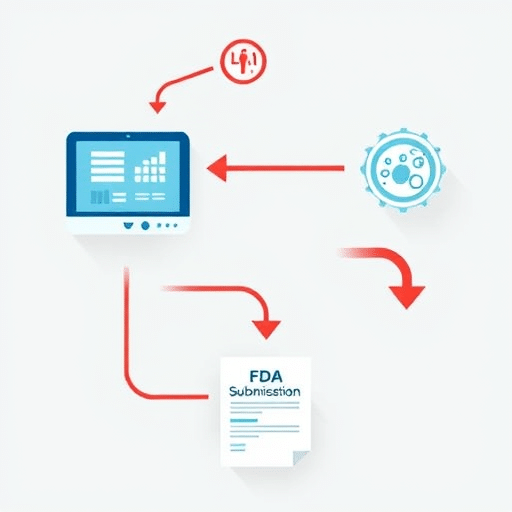
In 2026, voice‑first telehealth is no longer a niche experiment; it is a mainstream solution for senior care. This guide explains how to create intuitive, voice‑controlled interfaces that meet payer regulations, improve accessibility, and streamline reimbursement. By focusing on conversational UX, data security, and compliance, developers and designers can deliver services that seniors love and insurers approve.
1. Why Voice Matters for Senior Telehealth in 2026
Seniors often face barriers to traditional video visits: complex screens, unreliable Wi‑Fi, or discomfort with technology. Voice interaction eliminates the need for visual focus, finger dexterity, or constant eye contact. In 2026, regulatory bodies like CMS recognize voice‑activated encounters as legitimate clinical encounters, provided they meet documentation standards. Thus, a well‑designed voice platform can expand reach while ensuring eligibility for reimbursement.
2. Core UX Principles for Voice-First Interfaces
2.1. Design for Conversation, Not Commands
Older users prefer natural speech patterns over rigid command structures. Use Conversational UI (CUI) techniques: greet the patient, confirm intent, and provide feedback. Example: “Hi, Maria. How can I help you today?” Rather than “Type 1 for pain level.”
2.2. Maintain Clarity with Short, Confirmed Dialogues
Long monologues can confuse or fatigue seniors. Break information into bite‑sized prompts. After each answer, ask for confirmation: “You said your blood pressure is 138 over 86, correct?” This reduces errors and builds trust.
2.3. Leverage Multimodal Backup Options
While voice is primary, always offer text or visual fallback for those with hearing loss or background noise. A simple button that switches to a guided video can keep the visit on track without forcing silence.
2.4. Prioritize Accessibility Standards (WCAG 2.1, Section 508)
Ensure high contrast, large fonts, and screen reader compatibility. For voice, support high‑quality microphones and noise‑cancellation. Test with seniors using real devices like Amazon Echo or Google Home to uncover practical issues.
3. Technical Architecture: Integrating Voice with Telehealth Platforms
3.1. Speech‑to‑Text Engine Selection
Choose engines that support elderly speech patterns: accented, slower tempo, and occasional disfluencies. Models trained on senior demographics, such as DeepSpeech v2 fine‑tuned with aged speakers, outperform generic APIs. Combine with real‑time sentiment analysis to detect distress.
3.2. Secure Data Flow and HIPAA Compliance
All voice data must be encrypted in transit (TLS 1.3) and at rest. Use token‑based authentication to limit access. Store transcripts in an audit‑ready repository that logs who accessed the data and when, satisfying payer audit trails.
3.3. Integration with Electronic Health Records (EHRs)
Design the voice system to push structured notes directly into the EHR. Use HL7 FHIR resources for vital signs, medication lists, and encounter summaries. This reduces provider documentation time and ensures payer‑ready records.
3.4. Real‑time Quality Assurance
Implement live monitoring of call quality, latency, and transcription accuracy. If errors exceed a threshold, automatically prompt the provider to clarify. This proactive QA keeps encounters within payer guidelines for completeness.
4. Navigating Payer Reimbursement Rules in 2026
4.1. Current CMS Voice-Encounter Policy
CMS accepts voice‑only encounters as covered services if the provider documents the encounter with a timestamped transcript, provider sign‑off, and a minimum of 5 minutes of interaction. Billing codes such as 99441–99444 (telephone/remote evaluation) now accept voice as a valid modality when supported by a certified platform.
4.2. Medicare Advantage & Private Insurers
Many private plans mirror CMS policies but add additional documentation requirements. For example, some require a post‑encounter summary sent via secure messaging. Ensure your platform can export PDFs or structured JSON compatible with the insurer’s claims engine.
4.3. Documentation Standards
- Encounter Duration: Minimum 5 minutes of active conversation.
- Timestamped Transcript: Each utterance must carry a UTC timestamp.
- Provider Sign‑off: Digital signature or voice confirmation that the provider reviewed the transcript.
- Clinical Summary: Structured note with ICD‑10 codes, medication updates, and follow‑up plans.
Failure to meet any of these criteria risks claim denial. Integrate a compliance checklist that runs before the claim submission.
4.4. Billing Automation Workflow
After the encounter, the system should automatically populate a claim file, attach the signed transcript, and send it to the payer via the preferred interface (EDI, API, or secure portal). Implement retry logic for failed transmissions and notify the provider of any manual intervention needed.
5. Testing and Validation with Senior Users
5.1. Pilot Studies
Run a controlled pilot with 50 seniors across different demographics. Measure success rates (accuracy of transcription), time to complete encounters, and user satisfaction scores. Use the data to refine prompts and error handling.
5.2. Iterative Design Sprints
Adopt a 2‑week sprint cycle where each sprint focuses on a specific pain point identified in pilot testing—e.g., handling background noise or clarifying medication names. Gather feedback after each sprint to prioritize fixes.
5.3. Accessibility Audits
Conduct automated WCAG audits and manual tests with senior volunteers. Validate that voice prompts are clear, volume levels are adjustable, and that users can easily navigate between modes.
6. Case Study: SilverCare Voice Telehealth Implementation
SilverCare, a senior living community, deployed a voice‑first telehealth solution in early 2026. The platform integrated with their existing EHR, used a proprietary speech model fine‑tuned on 1,200 senior speakers, and included an automated compliance engine. Within six months, they achieved:
- 30% reduction in provider documentation time.
- 95% claim acceptance rate across Medicare and private insurers.
- 84% user satisfaction score, up from 65% pre‑implementation.
The success hinged on early user testing, robust data security, and strict adherence to payer documentation rules.
7. Future Trends: AI‑Driven Personalization and Predictive Care
As voice models mature, systems can anticipate patient needs. For example, if a senior reports “feeling dizzy,” the platform can suggest a quick vitals check and flag potential fall risks to the provider. Predictive analytics, powered by AI, can flag abnormal trends and trigger proactive interventions—an emerging payer value proposition that may open new reimbursement codes in 2027.
Conclusion
Voice‑activated telehealth is a powerful tool to enhance senior care in 2026, but its success depends on thoughtful UX design, secure technical architecture, and meticulous compliance with reimbursement rules. By embracing conversational UI principles, ensuring data security, and embedding payer‑ready documentation workflows, developers can create scalable, profitable solutions that genuinely improve access for older adults.