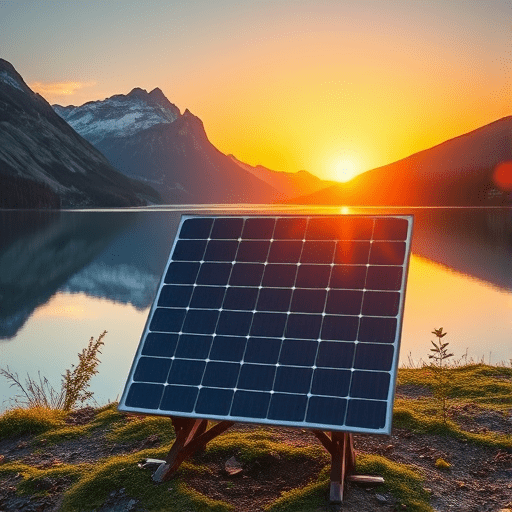
For the adventurous eco‑conscious camper, solar-powered camping in national parks offers a compelling way to stay connected without compromising the pristine environments these protected areas aim to preserve. By harnessing the sun’s energy with portable solar kits, you can power phones, lights, and even small appliances while keeping your ecological footprint minimal. This guide breaks down how to choose the right gear, pack efficiently, set up responsibly, and stay compliant with park regulations, all while enjoying the great outdoors in 2026.
Why Solar Power Matters for National Park Campers
National parks are managed to maintain natural processes and biodiversity. Traditional charging methods—car chargers, portable generators, or battery packs—can introduce waste, noise, and even pollution. Solar power eliminates these risks by providing:
- Zero emissions: No fumes, no exhaust.
- Silent operation: Ideal for preserving night-time tranquility.
- Reduced waste: Batteries are charged and reused rather than discarded.
- Extended autonomy: Devices stay powered throughout the day, encouraging less reliance on campfire stoves or diesel generators.
Selecting the Right Portable Solar Kit
Choosing a kit that fits your power needs and the park’s guidelines is crucial. Consider the following criteria:
Power Output vs. Device Requirements
Determine the wattage needed for your gadgets. A typical smartphone requires ~5 W, a tablet ~10 W, and a small LED lantern ~15 W. Multiply by the number of hours you anticipate using them each day to estimate total watt-hours.
Panel Size and Weight
In 2026, lightweight polycrystalline panels have become more efficient, offering 200 W in a single sheet that weighs under 2 kg. Pack a 200 W panel for moderate use, or add a second panel for larger loads.
Battery Backup and Charge Controllers
Pair your panels with a 10 Ah LiFePO4 battery for a clean, long‑life storage solution. Use a MPPT (Maximum Power Point Tracking) charge controller to maximize solar conversion, especially in shaded or cloudy conditions.
Durability and Portability
Look for rugged, waterproof housings (IP65 or higher) and fold‑able frames that fit easily into a backpack. The 2026 generation of foldable panels now includes a spring‑loaded hinge that snaps into place, reducing the risk of damage during transport.
Planning Your Trip: Logistics and Legalities
Before you set out, review the National Park Service (NPS) solar policy updates for 2026. Most parks allow portable solar panels with no restrictions on size, provided they are used responsibly.
- Permits: Most parks do not require special permits for solar kits, but always double‑check the specific park’s website.
- Campfire Rules: Even if you rely on solar, maintain the standard campfire safety practices—keep fires within designated areas, use fire‑resistant gear, and never leave a fire unattended.
- Leave No Trace: Solar panels should be set up in a way that doesn’t disturb natural vegetation. Use a tarp or sand to secure them temporarily if you’re setting up on fragile ground.
Setting Up Your Solar System at Camp
Follow these steps to maximize efficiency and protect the environment:
Choose a Strategic Location
Find a flat area with unobstructed sun exposure for at least 6–8 hours. Avoid shaded spots caused by trees or rocks. If you’re in a shaded valley, consider a small, portable solar reflector to bounce light onto the panels.
Secure the Panels Safely
Use lightweight stakes or a portable frame to hold panels upright. Never bury the panels or place them in a way that could damage soil compaction or plant roots. A simple canvas tarp can protect the ground and provide a clean surface for the panels.
Connect to Your Devices
Use a USB-C PD (Power Delivery) charger to plug devices directly from the battery. This reduces the need for additional adapters and ensures the most efficient charge rate. If you need to power a 12 V appliance, an inverter can convert the DC battery output to AC.
Monitor Your Power Usage
Keep a log of how much energy you consume. Many modern charge controllers have built‑in displays that show real‑time power output and battery status. This data helps you adjust usage habits and plan for subsequent days.
Low‑Impact Practices for Solar‑Powered Campers
Even with clean energy, responsible behavior is essential. Here are guidelines to keep your ecological impact at zero:
- Minimize Light Pollution: Use dim LED lanterns and turn off lights when not needed.
- Dispose of Batteries Properly: Rechargeable batteries must be returned to a recycling facility—never throw them in the trash.
- Pack Out Trash: Follow the Leave No Trace principle: bring everything you bring in, including solar panel debris.
- Respect Wildlife: Keep devices powered but avoid using screens near nests or feeding areas.
Emerging Technologies and Future Trends (2026+)
Solar camping is evolving rapidly. Keep an eye on these upcoming innovations that could shape your next trip:
Transparent Solar Panels
These panels can be installed on windows or shelters without blocking views, providing power while blending into the environment.
Solar Mesh and Wearable Tech
Lightweight, flexible solar mesh can be integrated into clothing or backpacks, offering additional power for small gadgets during hikes.
Smart Energy Management Apps
Apps that sync with your charge controller can forecast solar availability based on weather data, helping you schedule charging sessions for maximum efficiency.
Hybrid Energy Systems
Combining solar with kinetic or wind generators in a single backpack enables continuous power even during low sunlight periods.
Common Mistakes and How to Avoid Them
Even seasoned campers can slip up. Avoid these pitfalls:
- Over‑loading the battery: Exceeding the battery’s charge capacity can reduce lifespan.
- Leaving panels exposed to snow or ice: This can damage the panels and create a fire hazard if melted water runs into the electrical components.
- Ignoring the park’s solar guidelines: Always confirm the latest policies; some new trails may restrict panel use near sensitive habitats.
- Using non‑approved adapters: Cheap or poorly made adapters can overheat; invest in certified accessories.
Case Study: A 3‑Day Solar Adventure in Yellowstone
To illustrate, let’s walk through a realistic itinerary:
Day 1: Setup and Charging
Arrive at West Thumb Geyser Basin. Unfold a 200 W panel on a flat stone, secure with stakes, and connect to the 10 Ah LiFePO4 battery. Over 8 hours, charge your phone, tablet, and a 12 V LED light. Check battery health before moving to the next site.
Day 2: Hiking and Power Management
Hike to the Grand Prismatic Spring, carrying the panels in a lightweight harness. Use the portable charger to keep your GoPro running during the trek. At the trailhead, swap the panels for the reflective system to capture more sunlight in the shade.
Day 3: Departure and Clean‑Up
Before leaving, ensure panels are clean, batteries are fully charged, and no debris remains. Return the park’s resources to their original state, leaving the ground untouched.
Conclusion
Solar-powered camping in national parks is more than a trend—it’s a responsible, practical solution for modern travelers who wish to stay connected while honoring the sanctity of protected lands. By selecting efficient gear, adhering to park regulations, and adopting low‑impact practices, you can enjoy a tech‑savvy, environmentally conscious outdoor experience that aligns with the conservation values of our national parks.