Embarking on a four‑month road trip across Europe without generating single‑use plastic waste is an ambitious goal that combines minimalist packing with a strong environmental ethic. Zero‑Waste Backpacking: Pack Light for a 4‑Month European Road Trip isn’t just a travel style; it’s a mindset that transforms how you choose gear, plan meals, and interact with the places you visit. By focusing on lightweight, multi‑functional items and a clear waste‑free strategy, you can explore iconic cities, remote villages, and everything in between while leaving virtually no trace behind.
1. Map Your Route with Waste‑Free Goals
Before you grab a suitcase, plot a route that balances iconic destinations with opportunities to reduce waste. European regions differ in how accessible recycling facilities are, so knowing where the next refill station or composting center lies can inform your packing choices.
- Start with a digital map: Mark cities, hostels, and national parks that have recycling or compost stations.
- Plan seasonal stops: Align your travel dates with local festivals or market days—these events often encourage reusable bags and plates.
- Use waste‑free travel apps: Download tools like Zero Waste Europe or Recycling Finder to locate bins on the go.
When you understand where waste resources are concentrated, you can optimize your packing list to keep those resources in mind—especially the items that will replace single‑use plastics on the road.
2. Gear That Grows Light
Backpack Design
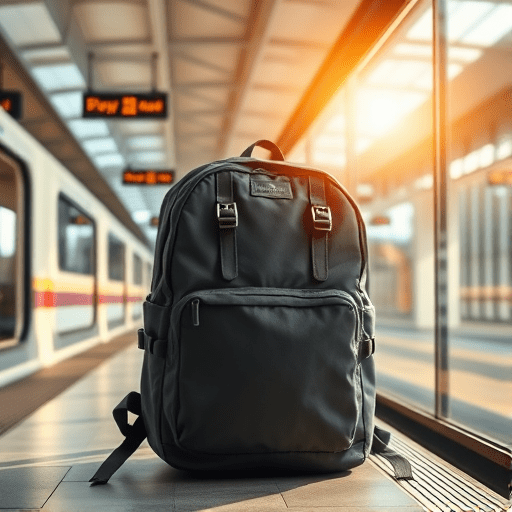
Opt for a 50‑to‑55‑liter pack built from recycled or sustainably sourced materials. Features that reduce weight include a lightweight frame, ergonomic suspension, and adjustable straps that redistribute load without adding bulk. A pack with a removable hydration bladder—preferably silicone or stainless steel—keeps you hydrated without plastic bottles.
Sleeping System
- Sleep bag: Choose a merino wool bag that’s warm, breathable, and self‑cleaning.
- Sleeping pad: A collapsible foam pad that compresses to 2 inches thick saves both weight and space.
Travel Accessories
- Reusable water bottle (stainless steel or glass).
- Compact travel pillow made from recycled polyester.
- Packable microfiber towel (half the weight of a cotton towel).
- Zero‑waste toiletries kit: solid shampoo bar, bamboo toothbrush, reusable soap dish.
Remember, every gram counts—opt for items that double as tools or serve multiple functions. A lightweight Swiss Army‑style multitool can replace a full tool kit, and a collapsible bamboo lunchbox can double as a storage container.
3. Reusable Essentials: The Core of the Zero‑Waste Kit
Eliminating single‑use plastics begins with a curated list of reusable items that replace the most common disposables.
- Food storage: Silicone stretch lids, beeswax wraps, and a set of glass jars for snacks.
- Meals: A collapsible stainless steel pot, a reusable straw set (bamboo or silicone), and a compact cutting board.
- Hygiene: A refillable travel-size deodorant, a reusable soap bar, and a bamboo toothbrush.
- Health: A small first‑aid kit, reusable bandages, and a reusable face mask if needed.
With these items, you’re equipped to prepare and enjoy meals, maintain personal hygiene, and manage small emergencies—all without producing plastic waste.
4. Food & Hydration: A Sustainable Meal Plan
Food is a major source of waste, but with a simple, plant‑forward approach you can keep your ecological footprint low while enjoying a variety of flavors across Europe.
- Breakfast: Oats topped with dried fruit, nuts, and a splash of plant‑based milk. A reusable oat milk bottle keeps the supply constant.
- Lunch: Whole‑grain wraps, hummus, and fresh vegetables. Pack a bamboo lunchbox and a reusable silicone bag for snacks.
- Dinner: One‑pot meals using the collapsible pot—stew, pasta, or rice dishes that can be cooked in one vessel.
- Hydration: A stainless steel water bottle that can be refilled at public fountains, cafés, or hostels.
When you arrive at a hostel or guesthouse, ask for free refill stations or bring a small set of reusable plates and utensils for communal dining. This reduces the need for disposable plates that would otherwise end up in landfills.
5. Waste Management on the Move
Zero‑waste backpacking isn’t just about what you bring; it’s also about how you handle waste once it’s generated. Key strategies include:
- Carry a small waste bag: For recyclables and non‑compostable trash. Keep it separate and seal it until you reach a proper disposal facility.
- Compost organic waste: Many campsites and hostels have compost bins. If you’re on the road, pack a compostable bag for food scraps.
- Follow the Leave No Trace principles: Pick up any litter you encounter, and never leave waste behind.
By integrating these habits into your daily routine, you’ll keep the trail—and the cities—clean without adding extra gear.
Conclusion
Zero‑waste backpacking for a four‑month European road trip is a rewarding blend of conscious gear selection, thoughtful meal planning, and disciplined waste management. By packing light, choosing reusable essentials, and embracing a mindset of minimal impact, you can traverse the continent’s diverse landscapes while keeping your ecological footprint—and your pack—barely a whisper of your presence.