In 2027, the travel industry is turning to artificial intelligence to design low-impact itineraries that minimize carbon footprints without sacrificing adventure. By integrating real-time data, predictive modeling, and traveler preferences, AI-optimized low-impact travel routes enable eco-conscious travelers to choose paths that reduce emissions, preserve local ecosystems, and support sustainable economies. This guide explores the technology behind these routes, the environmental benefits they offer, and practical tips for planning your next carbon-friendly getaway.
How AI Maps the Greenest Routes
AI-driven routing algorithms analyze a vast array of variables—air traffic patterns, public transport schedules, weather conditions, and even local energy grids—to identify the most energy-efficient travel options. Unlike static maps, these systems adapt to day‑to‑day fluctuations, ensuring that each itinerary stays aligned with the latest sustainability metrics. The result is a dynamic route that balances speed, convenience, and environmental stewardship.
Data Sources that Power Eco-Travel AI
The backbone of AI-optimized routes lies in data richness. Key inputs include:
- Carbon intensity of regional power plants
- Real‑time traffic and congestion levels
- Public transport timetables and vehicle efficiency
- Passenger load forecasts for airlines and trains
- On‑site environmental impact reports from local governments
By fusing these datasets, AI can predict the greenness of each leg of a journey, recommending alternatives that may be slightly longer but significantly lower in emissions.
The Science of Carbon Savings in 2027 Travel
Carbon savings in modern itineraries are not just about choosing the slowest mode of transport; they involve a strategic mix of low‑emission vehicles, renewable energy sources, and time‑of‑day considerations. AI models assess the marginal emissions of each travel segment and weigh them against passenger comfort and cost.
Hybrid and Electric Fleets as Key Components
By 2027, the proportion of electric buses, hybrid trains, and low‑fuel aircraft is expected to surpass 40% of commercial fleets. AI systems can flag routes that leverage these vehicles, automatically assigning a greener choice when available. This shift reduces direct emissions from the transportation sector, a major contributor to travel’s carbon footprint.
Personalizing Eco‑Itineraries with AI
One of the most compelling aspects of AI-optimized routes is personalization. Travelers can input priorities—such as “minimum carbon, maximum scenic value, or budget constraints”—and the system will craft a tailored itinerary that satisfies those criteria.
Balancing Carbon and Culture
AI can also ensure that travelers still experience local culture. By incorporating data on tourism density and cultural site impact, the algorithm can recommend visiting less crowded attractions during off‑peak times, thereby reducing both environmental and social footprints.
Case Study: The Carbon‑Smart Mediterranean Cruise
A 2027 cruise line partnered with an AI platform to create a “Carbon‑Smart Mediterranean” route. The AI chose a path that minimized overland transport, optimized sail angles for wind efficiency, and scheduled port calls during off‑peak seasons. The result was a 35% reduction in per‑passenger emissions compared to traditional itineraries, without compromising scenic value.
Integrating AI with Existing Travel Planning Tools
To adopt AI-optimized routes, travelers can rely on a few emerging tools:
- Smart itinerary planners that use AI to adjust routes in real time
- Mobile apps that sync with local transport APIs for up‑to‑date data
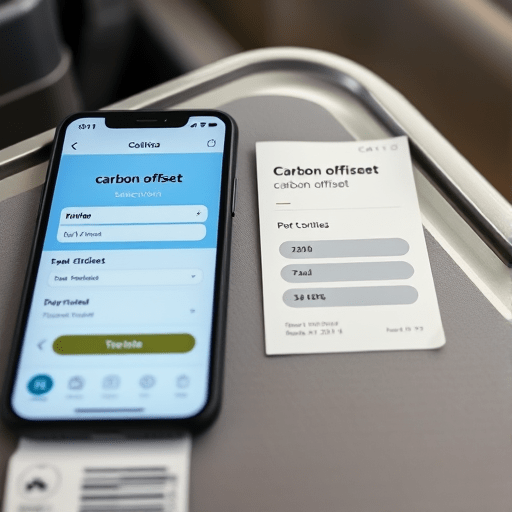
- Carbon‑offset marketplaces that calculate emissions on the fly and suggest appropriate offsets
These tools make the transition from conventional planning to AI‑driven eco‑itineraries seamless and intuitive.
Measuring Impact: From Data to Dashboard
Transparency is crucial. AI systems provide detailed dashboards that show expected emissions per leg, overall savings, and the environmental impact of each transport mode. Travelers can view these metrics before booking, ensuring that their choices align with personal sustainability goals.
Stakeholder Engagement through Real-Time Reporting
Tour operators, local governments, and travelers all benefit from shared data. Real‑time reporting helps operators adjust services to reduce crowding, while cities can monitor and mitigate congestion hotspots. In turn, travelers receive accurate information about how their choices affect the environment.
Challenges and Ethical Considerations
While AI offers powerful tools, it also presents challenges:
- Data privacy concerns when collecting personal travel preferences
- Algorithmic bias that may favor certain regions or transport modes
- Dependence on high‑quality data that may not be uniformly available worldwide
Addressing these issues requires transparent governance, inclusive data collection, and continuous algorithmic auditing.
The Future: Beyond 2027
As AI models become more sophisticated, we can anticipate further reductions in travel emissions. Predictive maintenance of electric vehicles, autonomous public transport, and hyper‑efficient airliners are just the beginning. Coupled with behavioral nudges—such as gamified carbon savings trackers—AI will drive a new era of responsible travel.
Conclusion
By 2027, AI-optimized low-impact travel routes are poised to redefine how we journey across the globe. They blend cutting-edge data science with a deep respect for the planet, offering travelers the chance to explore without excess carbon. As technology continues to evolve, the future of travel looks cleaner, smarter, and more sustainable for all who seek it.