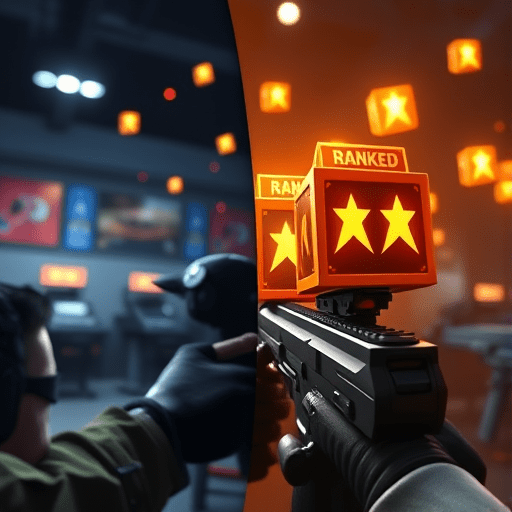
In 2026, free‑to‑play first‑person shooters (FPS) are still the backbone of competitive gaming, but traditional loot‑box monetization is fading. Players are craving meaningful rewards tied to skill progression, and community managers are looking for new revenue streams that feel fair and engaging. By introducing micro‑subscription models that reward skill progression, FPS communities can unlock a steady income while maintaining player engagement and satisfaction.
Why Micro‑Subscriptions Fit the FPS Ecosystem
Micro‑subscriptions—small, recurring payments that grant ongoing benefits—have proven successful across mobile and PC gaming. For FPS titles, they fit naturally because:
- Skill is measurable: Matchmaking, rank, and stat tracking provide concrete metrics to trigger rewards.
- Competitive balance: Subscriptions can be tiered so that high‑ranked players receive advanced cosmetic packs or exclusive tactical maps, preserving fairness.
- Community cohesion: Regular revenue supports community events, tournaments, and server maintenance.
Unlike one‑time micro‑transactions, subscriptions keep the revenue pipeline flowing, allowing developers to invest in continuous content updates that keep players invested.
Designing a Skill‑Based Subscription Structure
Tiering by Rank and Performance
One effective method is to align subscription tiers with in‑game ranks. For instance:
- Bronze Subscriber (Starter): $3/month – access to basic skins and seasonal battle passes.
- Silver Subscriber (Mid‑Tier): $6/month – all Bronze perks plus exclusive weapon skins and early map access.
- Gold Subscriber (Elite): $10/month – all Silver perks plus performance‑boosting cosmetics, VIP tournament entries, and a monthly in‑game stat leaderboard.
Each tier can unlock new challenges that, when completed, award bonus cosmetics or in‑game currency, creating a feedback loop that rewards ongoing skill improvement.
Dynamic Reward Allocation
To avoid the perception that subscriptions are “pay‑to‑win,” tie rewards to performance metrics rather than raw purchase power:
- Monthly kill‑deaths ratio thresholds unlock limited‑edition skins.
- Consistency streaks—logging in and playing 15 minutes each day for a week—grant cosmetic items.
- Rank‑up milestones provide exclusive emotes and voice lines.
By ensuring rewards stem from skill and effort, the community sees subscriptions as a means to celebrate achievements, not to buy advantages.
Integrating Community Events
Subscription members can receive early or exclusive access to community events:
- Private tournaments for each tier, with prize pools funded by subscription revenue.
- Special events such as “Pro‑Coach” livestreams where subscribers can interact with high‑ranked players.
- Seasonal community challenges that reward all participants, but grant extra bonus points to subscribers.
These events create a sense of belonging and give tangible value to the recurring fee.
Retention Strategies for Subscription Models
Transparent Communication
Players need to trust that their subscription fees are well spent. Transparency can be achieved by:
- Publishing quarterly community revenue reports.
- Showcasing a roadmap of upcoming features funded by subscription revenue.
- Offering a “subscriber dashboard” that tracks how many new maps or skins are being developed.
Open communication fosters goodwill and reduces churn.
Flexible Subscription Options
Offer a variety of payment plans: weekly, monthly, quarterly, and yearly. Provide a short trial period (e.g., 7 days) that automatically upgrades to a paid plan if the player continues playing. Also, allow “pause” features so players can temporarily suspend payments without losing progress.
Gamified Loyalty Programs
Introduce a loyalty tier system that rewards long‑term subscribers with incremental bonuses:
- After 3 months: unlock a hidden weapon skin.
- After 6 months: receive a unique voice pack.
- After 12 months: gain access to a limited‑time “Championship” mode.
Gamification keeps players excited about renewing their subscriptions.
Case Study: How Crossfire Champions Leveraged Micro‑Subscriptions
In late 2024, Crossfire Champions introduced a tiered micro‑subscription model that tied rewards to rank and weekly performance. Within the first year, the community saw a 35% increase in average monthly revenue and a 22% drop in churn among high‑ranked players. The key to their success was the “Performance Quest” feature, where subscribers who reached the top 10% of the leaderboard each week unlocked a unique cosmetic item. This not only motivated players to improve but also created a sense of exclusivity that boosted community engagement.
Best Practices for Implementation
- Start Small: Pilot the subscription model in a single region or with a specific player cohort before rolling out globally.
- Balance Cosmetic and Functional Rewards: Ensure cosmetic items are the primary incentive; avoid giving competitive edge to paying players.
- Monitor Feedback: Use in‑game surveys and community forums to gather input and adjust rewards accordingly.
- Leverage Data Analytics: Track subscription uptake, churn rates, and reward redemption to refine the model.
- Cross‑Promote: Highlight subscription benefits in match lobbies and post‑match summaries.
Future Trends: AI‑Driven Personalization
As AI becomes more integrated into game analytics, developers can personalize subscription offers based on individual playstyle. For example, a player who excels in sniping might receive exclusive sniper skins and a “Snipe Master” challenge. AI can also predict optimal timing for offering tier upgrades, maximizing retention.
Another emerging trend is the integration of blockchain-based collectibles as subscription rewards. While still experimental, this approach can add a layer of scarcity and ownership that resonates with competitive players who value unique items.
Conclusion
Micro‑subscription models, when thoughtfully designed around skill progression and community engagement, offer FPS communities a sustainable revenue stream that respects competitive integrity. By aligning rewards with performance, fostering transparency, and continuously iterating based on player feedback, developers can create a virtuous cycle where players feel rewarded for their skill and invested in the game’s future.