Embarking on a multi‑day hike up the Appalachian Trail is a test of endurance, skill, and respect for nature. If you’re committed to a zero‑waste mindset, the first step is mastering how to pack your gear so that every item serves a purpose and no single‑use waste ends up on the trail. This step‑by‑step guide will walk you through the essentials of zero‑waste packing, from choosing sustainable gear to managing waste on the trail and beyond.
Understanding the Zero‑Waste Philosophy for Backpacking
Why Zero Waste Matters on the Trail
Traditional backpacking can generate significant waste—plastic water bottles, disposable cooking utensils, and food packaging all clutter the trail. Even seemingly harmless items like single‑use paper towels can harm fragile ecosystems. Zero‑waste backpacking seeks to eliminate that impact by reducing, reusing, and repurposing every piece of gear.
Key Principles to Follow
- Reduce: Choose gear that can replace multiple single‑use items.
- Reuse: Bring items that can serve multiple functions or be reused after the trip.
- Recycle: Pack any unavoidable waste in a way that can be recycled or composted on return.
- Repair: Select durable gear that can be patched or fixed mid‑trip.
Planning Your Route and Leave No Trace
Choosing Sustainable Campsites
Opt for established campsites with existing fire rings and latrines. These sites have infrastructure designed to handle waste responsibly, reducing the need for individual waste management.
Planning for Food Waste Management
Adopt a carry‑in, carry‑out policy for all food waste. Consider edible packaging that dissolves in water and plan meals that generate minimal leftovers.
Packing the Essentials with Zero‑Waste in Mind
The Backpack: Materials and Construction
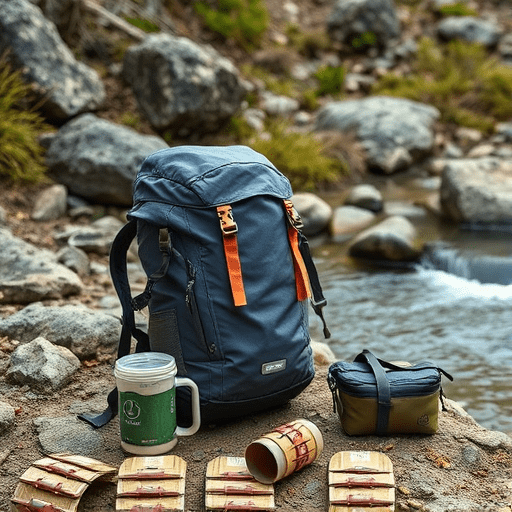
Choose a pack made from recycled polyester or nylon, or even natural fibers like organic cotton. Look for a design with modular pouches that keep items organized and prevent damage.
Shelter and Bedding: Reusable and Biodegradable Options
- Hammock: A lightweight, fully biodegradable hammock eliminates the need for tents and sleeping bags.
- Biodegradable Pads: Opt for a compostable sleeping pad that breaks down safely.
- Sleeping Bag: A down bag from an ethically sourced supplier reduces reliance on synthetic fills.
Cooking and Water: Sustainable Gear
- Stove: A single‑fuel stove that uses wood or biogas rather than gas canisters.
- Cookware: Stainless steel or cast iron pots that are dishwasher safe and last for decades.
- Water Filter: A reusable filter like a Brita or Sawyer that allows you to refill water bottles without plastic waste.
Hygiene and Toiletries: Compostable Solutions
- Biodegradable Soap: A soap that breaks down quickly reduces microplastic pollution.
- Toiletry Bag: A durable, reusable bag that can be rinsed and stored for future trips.
- Leave No Trace Toiletry Kit: Include a compostable waste bag and a small shovel for discreet waste disposal.
Clothing: Durable, Multi‑Use, and Eco‑Friendly Fabrics
- Base Layers: Use merino wool or recycled polyester that can be washed and reused.
- Outer Shell: A waterproof, breathable jacket made from recycled nylon.
- Footwear: Choose hiking boots with a repair kit and replace laces instead of entire boots.
Packing Technique: The 10‑Step Method
Follow this systematic approach to ensure every item fits snugly, stays organized, and eliminates unnecessary waste.
- Sort and Purge: Review every item, removing duplicates and single‑use items.
- Organize by Use: Group gear into functional categories—cooking, shelter, clothing.
- Layer the Pack: Place heavy items near the spine and close to your back for balance.
- Utilize Pouches: Place small items in zip‑lock pouches to prevent loss.
- Secure Loose Items: Use a packing cube to keep fragile items stable.
- Balance Weight Distribution: Alternate heavy and light items on each side.
- Test the Load: Walk with the pack to adjust straps and check comfort.
- Check for Overlap: Remove items that can be combined or substituted.
- Seal the Pack: Tighten all zippers and straps, ensuring no items shift.
- Final Load Check: Verify that your pack meets the weight guidelines for your hike.
Managing Waste on the Trail
Food Waste Composting
Carry a small, sealable container for organic waste. Store it in a cooler with ice packs to keep it from decomposing too quickly. Dispose of it in designated trash bins or, if permitted, bury it in a shallow pit far from water sources.
Waste Packing and Removal
Every day, pack all trash—plastic, food scraps, and used gear—into a dedicated waste bag. At the end of each day, check for any forgotten items and add them to the bag before moving to the next campsite.
Nightly Waste Management
Use a two‑bag system: one for reusable items and another for waste. The waste bag should be sealed, odor‑controlled, and easy to carry back to the trailhead.
Post‑Trip Deconstruction and Reuse
Gear Maintenance
Clean each piece of gear with eco‑friendly detergents. Repair any tears or damage—most synthetic fabrics can be patched with a compatible thread. Store gear in a dry, shaded area to prolong its life.
Donation or Recycling
Donate gently used items to local shelters or outdoor clubs. For gear that’s no longer usable, seek out recycling programs that specialize in textiles or electronics to ensure materials are reclaimed responsibly.
Documentation and Reflection
Maintain a log of what worked and what didn’t. Sharing your zero‑waste experiences can inspire others and help refine sustainable backpacking practices.
By integrating these zero‑waste packing strategies, you’ll reduce your ecological footprint while enjoying the breathtaking beauty of the Appalachian Trail. Every choice—from the pack’s material to the way you dispose of waste—counts toward a cleaner, more sustainable hiking experience.