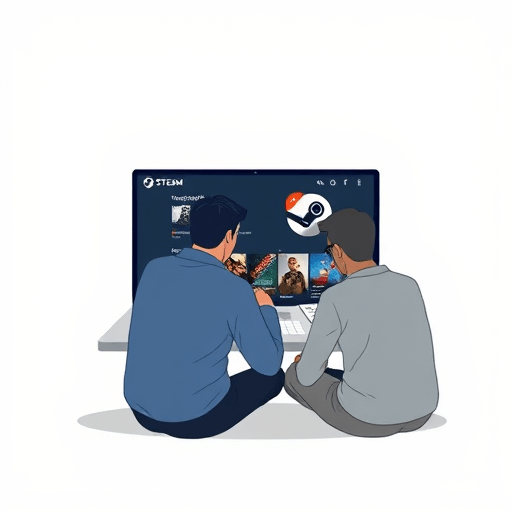
In 2026, Steam’s platform has evolved into Steam Direct, but the core principles that helped two‑person indie studios break into the marketplace remain the same. Whether you’re polishing a single‑player roguelike or crafting a minimalist multiplayer experience, this guide walks you through every phase—from initial setup to post‑launch community growth—so you can focus on coding rather than marketing overwhelm.
Why Steam Direct Still Matters for 2‑Person Teams
Steam Direct replaced Greenlight in 2017, but the ethos behind it—providing a low‑barrier, community‑driven launchpad—continues to empower small studios. For a duo, the benefits are clear: low upfront costs, a built‑in audience, and a transparent review process. In this landscape, your success hinges on efficient workflow, strategic storefront optimization, and a lean yet engaged community. Let’s break down the essential steps.
Step 1 – Prepare Your Game Package
Before you even log into Steamworks, you need a polished, ready‑to‑ship build. Create a pre‑submission checklist:
- Final build for each supported platform (Windows, macOS, Linux)
- Executable size under 2 GB (compress if necessary)
- Fully functional installer or portable version
- In‑game analytics hooks for post‑launch data
- Compliance with Steam’s DRM policies (Steamworks SDK integrated)
With a solid build, you’ll avoid the most common rejection points and reduce last‑minute panic.
Step 2 – Create a Steamworks Developer Account
Signing up is free, but you’ll be asked to pay a $100 USD fee per game (refundable after 60 days of sales). Two people can share a single account, but each must have a verified email and a valid credit card. Navigate to Steamworks > Create a New Product and select “Game.” Keep the following in mind:
- Set your legal entity information (company or sole proprietor) to comply with tax and banking regulations.
- Choose the region pricing strategy—regional price adjustments can boost visibility in non‑English markets.
- Opt into Steam Cloud if your game will benefit from cloud saves; this is especially useful for tiny studios to add value.
Once your account is set, you’re ready to craft a compelling storefront.
Step 3 – Build Your Steam Store Page
A storefront is your first sales pitch. For a duo, the goal is clarity and visual appeal. Start with a headline that instantly conveys the core experience, then layer details below:
- High‑quality screenshots: Show at least 5 dynamic images covering gameplay, UI, and art style.
- Trailer: A 30‑second clip that highlights mechanics, not just an aesthetic montage.
- Game description: Keep it under 300 words, use bullet points for key features, and mention any unique selling points (USP).
- Metadata: Tags, genre, and a brief developer bio. For two‑person teams, a personal note about your journey can humanize the project.
Use the “Storefront Preview” tool to see how your page appears on desktop, mobile, and web.
Step 4 – Pricing, Early Access, and Storefront Optimization
Pricing strategy can make or break your first launch. A two‑person studio benefits from a flat $4.99 to $9.99 price point—low enough for impulse buys, high enough for sustainability. Consider the following tactics:
- Early Access (EA): Offer a beta version to gather feedback and build community. The EA window should be 1–2 months, with clear upgrade plans.
- Bundle deals: If you have a demo or smaller spin‑off, bundle it with the main game for a $7.99 discount.
- Steam Sales: Register for future sales—especially during holiday windows—to attract casual players.
- Storefront SEO: Include keywords like “indie”, “minimalist”, “co‑op”, and “fast‑paced” in your description and tags to surface in search.
These tactics reduce the barrier to purchase and keep the team’s workload manageable.
Step 5 – Marketing Before Launch
Marketing for a two‑person team should be targeted and efficient. Prioritize the following channels:
- Community Forums: Post in r/IndieDev, r/GameDev, and the Steam community hub. Share development updates to build anticipation.
- Social Media: Use Twitter for concise updates, Instagram for artwork, and Discord for direct fan interaction. Automate posting with tools like Buffer.
- Influencer Outreach: Identify micro‑influencers (5k–50k followers) who review indie games. Offer them an early build for a review; the cost is minimal compared to a paid ad budget.
- Press Kit: Prepare a one‑pager with screenshots, a short trailer, and a press release. Email to niche gaming blogs and YouTube reviewers.
- Teaser Trailers: Release a 15‑second teaser two weeks before launch to keep momentum.
By leveraging low‑cost channels, you keep the focus on development while still building a critical audience.
Step 6 – Launch Day Checklist
Launch day is the culmination of months of work, so every detail matters. Keep this quick‑check list ready:
- Upload the final build to Steamworks.
- Enable the “Release” toggle and set the launch date/time.
- Test the installation process on all target OSes.
- Confirm that your community hub and forums are ready for incoming traffic.
- Have a 24‑hour support plan—use a simple ticket system or Discord channel.
- Post a launch announcement on all channels.
Be ready to respond to feedback promptly; a small team’s nimbleness is a competitive advantage.
Step 7 – Post‑Launch Support and Growth
After the launch, sustaining momentum is key. Adopt these practices:
- Bug Fixes: Prioritize critical bugs; release patches every 3–4 days until the major backlog is cleared.
- Community Engagement: Host weekly live streams, Q&A sessions, or “speed‑build” events to keep fans involved.
- Content Updates: Plan a mid‑year DLC or seasonal event; even small content can boost sales.
- Data Analysis: Use Steamworks analytics to monitor retention, DLC uptake, and average revenue per user (ARPU).
- Feedback Loop: Keep a feedback form on your community hub; use it to guide future updates.
These strategies keep the game alive without stretching your two‑person capacity thin.
Conclusion
For a two‑person indie team, launching on Steam in 2026 is a realistic, low‑barrier endeavor when you follow a disciplined, step‑by‑step workflow. By preparing a polished build, crafting a compelling storefront, engaging the right audience, and maintaining a responsive post‑launch plan, you can achieve a successful launch without overextending your limited manpower.