Embarking on a Andean adventure in 2026 means more than just choosing a scenic trail; it’s about redefining what it means to travel responsibly. Zero‑Waste Backpacking in the Andes is now a practical movement, blending the latest sustainable gear innovations, carbon‑neutral routes, and a deeper respect for local ecosystems. This guide walks you through every step—from planning a low‑emission itinerary to packing with a trash‑free mindset, and sourcing equipment from Andean artisans—all while keeping your environmental footprint at its lowest.
Planning Your Carbon‑Neutral Route
Unlike the conventional “off‑the‑beaten‑path” ethos, zero‑waste backpacking prioritizes efficiency and locality. Start by selecting a corridor that minimizes fuel consumption for transport and supports regional economies.
- Use the Andes Trail Network Map: Identify segments that overlap with existing public transit routes (buses, trains, or shuttles). In 2026, many Andean cities run electric or hybrid fleets, reducing emissions significantly.
- Batch Your Stops: Rather than hopping between isolated sites, cluster activities within a 50‑km radius. This reduces the number of back‑and‑forth legs, cutting down fuel usage.
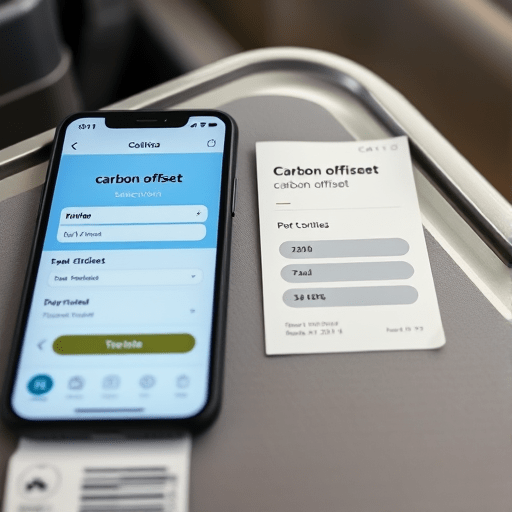
- Opt for “Carbon‑Neutral” Lodging: Many hostels and eco‑ranches now offset their energy consumption through renewable credits. Look for certifications like Travel Carbon Neutral or LEED status.
- Plan for Seasonal Weather: Traveling during shoulder seasons not only eases crowd pressure but also aligns with local agricultural cycles, allowing you to support community farms that operate sustainably.
Trash‑Free Packing Essentials
The core of zero‑waste travel lies in what you bring. Every item must earn its place in your pack by serving multiple functions and by being recyclable or biodegradable at the end of its life.
- Multi‑Functional Clothing: Choose fabrics like organic merino wool or recycled polyester that offer durability and versatility—warm in winter, breathable in summer.
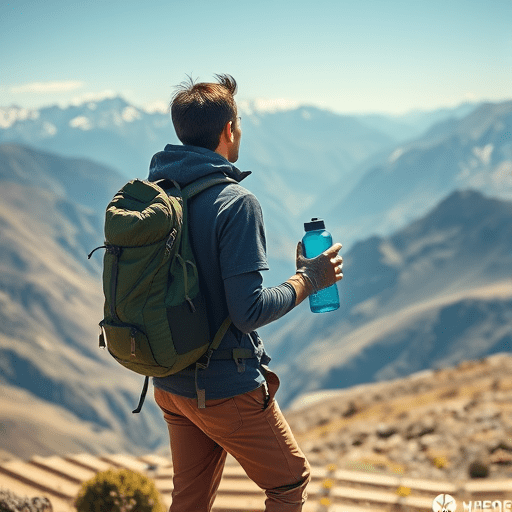
- Reusable Water System: A collapsible stainless steel bottle with a built‑in filter (e.g., Sawyer Squeeze) eliminates plastic waste and ensures safe hydration.
- Biodegradable Toiletries: Pack soap sheets, reef‑safe shampoo bars, and a small refillable deodorant tube. These minimize packaging and reduce weight.
- Solar or Hand‑Crank Power: A lightweight solar charger or a hand‑cranked generator powers your phone and camera, removing the need for disposable batteries.
- Zero‑Waste Food Storage: Use silicone or beeswax wraps to cover leftovers and bring a small, collapsible ceramic pot for meals. This eliminates single‑use plastic wrap and aluminum foils.
Sourcing Local Gear Sustainably
Supporting local economies is as essential as minimizing waste. In 2026, the Andes are home to a vibrant network of artisans producing gear from recycled or sustainably sourced materials.
- Hand‑Made Backpacks: Visit the small workshops in Cusco or Quito where backpacks are woven from reclaimed canvas and reinforced with recycled nylon straps.
- Biodegradable Camping Gear: Look for tents made from recycled polyester and biodegradable stakes. Companies like EcoTrail Gear partner with Andean cooperatives to reduce carbon footprints.
- Custom Local Maps: Purchase handcrafted, high‑resolution topographic maps from local cartographers. They often use soy‑based inks, lowering environmental impact compared to mass‑printed paper.
- Community‑Sourced Guides: Hire a local guide via vetted platforms that prioritize fair wages and environmental stewardship, reducing reliance on large tour operators.
Reducing Impact While Trekking
Once on the trail, your focus shifts to staying out of sight and out of harm’s way. This involves both technical skills and a mindset of “leave no trace.”
- Use Established Paths: Avoid creating new trails. Stick to well‑marked routes to protect fragile alpine vegetation.
- Minimalist Campsite Setup: Set up camp on hard-packed gravel or existing fire rings. Carry a lightweight, reusable stove instead of a disposable camping stove.
- Wildlife Respect: Observe animals from a distance and do not leave food residues that could alter natural feeding patterns.
- Energy Management: Power down electronics whenever possible; use daylight for tasks. This reduces battery waste and keeps the trail quiet.
- Waste Segregation: Pack a small, collapsible bin for recyclables and a separate bag for organic waste. At the end of your journey, return the bin to a local recycling hub or compost it.
Responsible Waste Management on the Trail
In 2026, most Andean regions have developed back‑to‑nature protocols. These guidelines help you manage waste responsibly even when no facility is available.
- Carry-In, Carry-Out (CICO): Everything you bring in must leave the trail. Pack out all food scraps, used clothing, and empty containers.
- Biodegradable Waste: Compost food waste in a sealed, breathable bag and bury it at least 60 cm deep to avoid attracting wildlife.
- Recyclables: Use a lightweight, sealable bag for plastics, metals, and paper. At the end of your trip, bring them to a recycling center in the nearest town.
- Trash Stations: Some high‑traffic lodges now feature trash bins that separate compost, paper, and plastic. Always dispose of items correctly to support local waste management.
Community Engagement and Leave‑No‑Trace Culture
Zero‑waste backpacking is as much about cultural exchange as it is about environmental responsibility. Engaging with local communities strengthens the movement’s impact.
- Volunteer Exchanges: Offer to help with community projects (e.g., trail maintenance, reforestation) in exchange for local knowledge and resources.
- Support Local Markets: Buy snacks, crafts, and souvenirs from small vendors who use locally sourced, eco‑friendly materials.
- Language Learning: Knowing basic Spanish or Quechua builds trust and reduces reliance on intermediaries.
- Respect Cultural Sites: When visiting archaeological or sacred sites, follow guidelines and avoid littering or disrupting the environment.
By integrating low‑carbon travel routes, trash‑free packing, sustainable local gear, and responsible waste practices, eco‑travelers can explore the Andes in a way that respects both the planet and the people who call it home. Zero‑waste backpacking is not a restrictive rule but an evolving mindset—one that encourages continual learning, community collaboration, and a deeper appreciation for the fragile beauty of the high Andes.