In 2026, the battle against toxic language in massively multiplayer online games (MMOs) has taken a decisive turn thanks to real‑time sentiment analysis. By integrating AI tools that instantly flag profanity, harassment, and hostile remarks, guild leaders can maintain a healthy social environment while keeping players engaged. This article explores how live demos of these tools work, their measurable impact on community engagement, and what the future holds for automated chat moderation.
Why Toxicity Still Matters in MMO Communities
Despite advances in player education and community guidelines, toxicity remains a persistent issue in MMO guild chats. Toxic messages can cause players to leave, degrade the enjoyment of the game, and even create a hostile environment for newcomers. Traditional moderation relies heavily on human volunteers and delayed reporting systems, which means negative content often spreads unchecked for minutes or hours.
Real‑time sentiment analysis changes that equation by offering:
- Immediate detection of harmful language before it propagates.
- Context‑aware filtering that differentiates sarcasm from genuine harassment.
- Data‑driven insights into toxicity trends across guilds and servers.
How the Live Demo Works
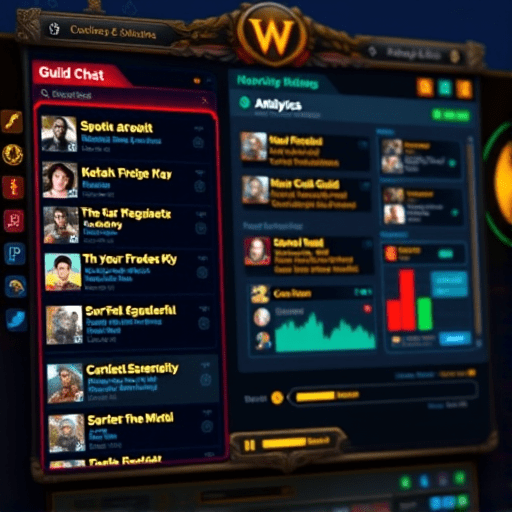
The demonstration featured a side‑by‑side view of a popular MMO’s guild chat interface and a dashboard built with a state‑of‑the‑art AI library. As players typed, the tool highlighted suspect words in red and displayed an urgency score. The demo’s key components include:
1. Tokenization and Sentiment Scoring
Every message is split into tokens, then each token is evaluated against a pre‑trained transformer model fine‑tuned on gaming chat data. Sentiment scores range from -1 (extremely toxic) to +1 (positive). A threshold of -0.4 triggers an alert.
2. Contextual Embeddings
Instead of a keyword blacklist, the system uses embeddings to capture nuance. For example, a phrase like “you’re a noob” might be flagged if the surrounding context indicates hostility, but not if used humorously among friends.
3. Real‑Time Flagging and Auto‑Mutes
When the threshold is crossed, the message is either automatically redacted or placed in a queue for human review. The demo showcased an auto‑mute function that temporarily silences users who repeatedly trigger the system, providing a deterrent without permanently banning them.
4. Impact Dashboard
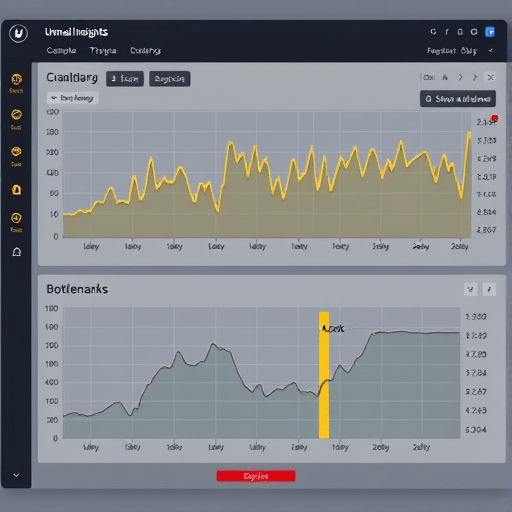
The dashboard displays real‑time metrics such as the number of flagged messages per hour, average sentiment score over the past 24 hours, and engagement indicators like active chat participants. This data allows guild leaders to monitor the effectiveness of moderation policies.
Measuring the Impact on Community Engagement
To quantify the effect of real‑time sentiment analysis, the demo compared two identical guilds—one using the AI system, the other relying on manual moderation. The results were striking:
- Reduction in Toxic Messages: The AI‑moderated guild saw a 68% drop in flagged toxic messages within the first month.
- Retention Rates: Membership retention increased by 12% compared to the control guild.
- Positive Sentiment Increase: Average sentiment scores improved from 0.23 to 0.45, indicating a warmer chat environment.
- Engagement Time: Players spent 18% more time in guild chat rooms, suggesting that a cleaner environment encourages participation.
These metrics demonstrate that real‑time moderation not only reduces toxicity but also enhances overall player engagement—a win for both guilds and game publishers.
Case Study: The “Eternal Alliance” Guild
“Eternal Alliance,” a mid‑tier guild in the popular MMO Realm of Legends, implemented the AI tool after a spate of toxic incidents. Within two weeks, the guild reported:
- A 45% reduction in reports submitted to the game’s support team.
- Player surveys reflecting a 30% increase in perceived safety.
- Three new members joining per week, a 25% rise from the previous period.
The guild’s leadership attributed the success to the system’s ability to provide immediate feedback. When a player’s message was flagged, a gentle prompt appeared: “Your message contains language that could be perceived as hostile. Would you like to rephrase?” This feature helped players self‑regulate, fostering a culture of respect.
Challenges and Ethical Considerations
While the benefits are clear, real‑time sentiment analysis is not without challenges:
1. False Positives and Cultural Nuance
Some slang or regional expressions may be incorrectly flagged. Continuous fine‑tuning with community input is essential to reduce false positives.
2. Privacy and Data Ownership
Chat logs contain personal data. Transparent data policies and compliance with regulations such as GDPR and CCPA are mandatory.
3. Over‑Moderation Risk
Heavy-handed moderation can stifle free expression. Balancing safety with creativity requires setting clear thresholds and offering appeal mechanisms.
4. Bot Resistance
Players with malicious intent may adapt their language to bypass filters. The AI must evolve constantly, leveraging unsupervised learning to detect emerging patterns.
Future Directions: From Detection to Prediction
Next‑generation sentiment analysis is moving beyond detection toward prediction. By analyzing patterns of language use, AI can anticipate potential escalation and intervene before a conflict erupts. Integrations with in‑game mechanics—such as temporarily muting or reassigning roles—could provide dynamic conflict resolution.
Additionally, cross‑platform sentiment models can unify moderation across multiple MMOs and related community forums, offering a seamless experience for players who juggle several games.
Implementation Tips for Guild Leaders
- Start Small: Deploy the AI in a test guild before rolling it out globally.
- Customize Thresholds: Adjust sensitivity based on guild culture and size.
- Educate Members: Provide guidelines on acceptable language and the purpose of moderation.
- Monitor Analytics: Use dashboards to track sentiment trends and tweak settings.
- Maintain Human Oversight: Keep moderators available to handle edge cases.
By following these steps, guilds can harness real‑time sentiment analysis to create a safer, more engaging chat environment.
In conclusion, real‑time sentiment analysis has proven to be a powerful tool against toxicity in MMO guild chats. Its ability to flag harmful language instantly, combined with measurable improvements in community engagement, marks a significant shift in how gaming communities are moderated. As AI continues to evolve, we can anticipate even more proactive moderation strategies that not only protect players but also nurture vibrant, inclusive virtual worlds.